

Day 2 of the Bett Show — Equity and love must go hand in hand with innovation and technology
In a presentation in the event’s largest auditorium, Sarah Brown, president of the Global Business Coalition for Education, noted that, due to the pandemic, many children and adolescents around the world have dropped out of school. Although there is no simple solution, she argued that there is a good way to bring them back: technology. “It may be simple technology, but children get very excited about it,” she said.
She explained that families want their children to go to school. “I’ve visited refugee camps. Once they have shelter and food, what parents want most is for their children to go to school. Everyone wants better opportunities, which come through education,” she said. Sarah acknowledges that it’s a major challenge, but she remained optimistic. “COVID has shown that we love our routines, but that we’re capable of adapting and being flexible. The human race is resilient,” she said.
Once children are attending school, they need love, says Janice Ross, superintendent of 47 schools in Brooklyn, New York, USA, who also spoke at Bett. “People need to be seen, heard, and to feel that we trust them. We cannot be in a position of power without love, especially in education,” she said. According to her, it is through affection that the desire to learn is awakened. “We have to make students want to be better—socially, academically, and emotionally.”
It is the children who have been brought back to school—and who feel loved and respected—who will drive innovation in the world. “The climate issue is a point of intersection. Children already have the desire to take action, but there is still much to be done in schools; we have to promote innovation,” said Wendy Koop, CEO of Teach for All, a network of organizations dedicated to promoting child development. “Education can help solve problems related to sustainability, justice, and peace,” she added.
Equity is also a concern in higher education, especially when it comes to gender in the fields of computer science and engineering. “What is the role of higher education? It is to show that technology empowers, to work against stereotypes, and to educate about the value of diversity,” said Heidi Fraser-Krauss, CEO of Jisc, an organization that provides consulting on digital infrastructure, during a lecture on the role of women in what is known as Industry 4.0.
Global Brazil
“There is a very strong alignment between the event’s overarching themes—such as equity and inclusion—and the reality and debates we have in Brazil,” said Adriana Martinelli, director of content at Bett Brasil. According to her, given our shared challenges, the exchange of experiences is very enriching.
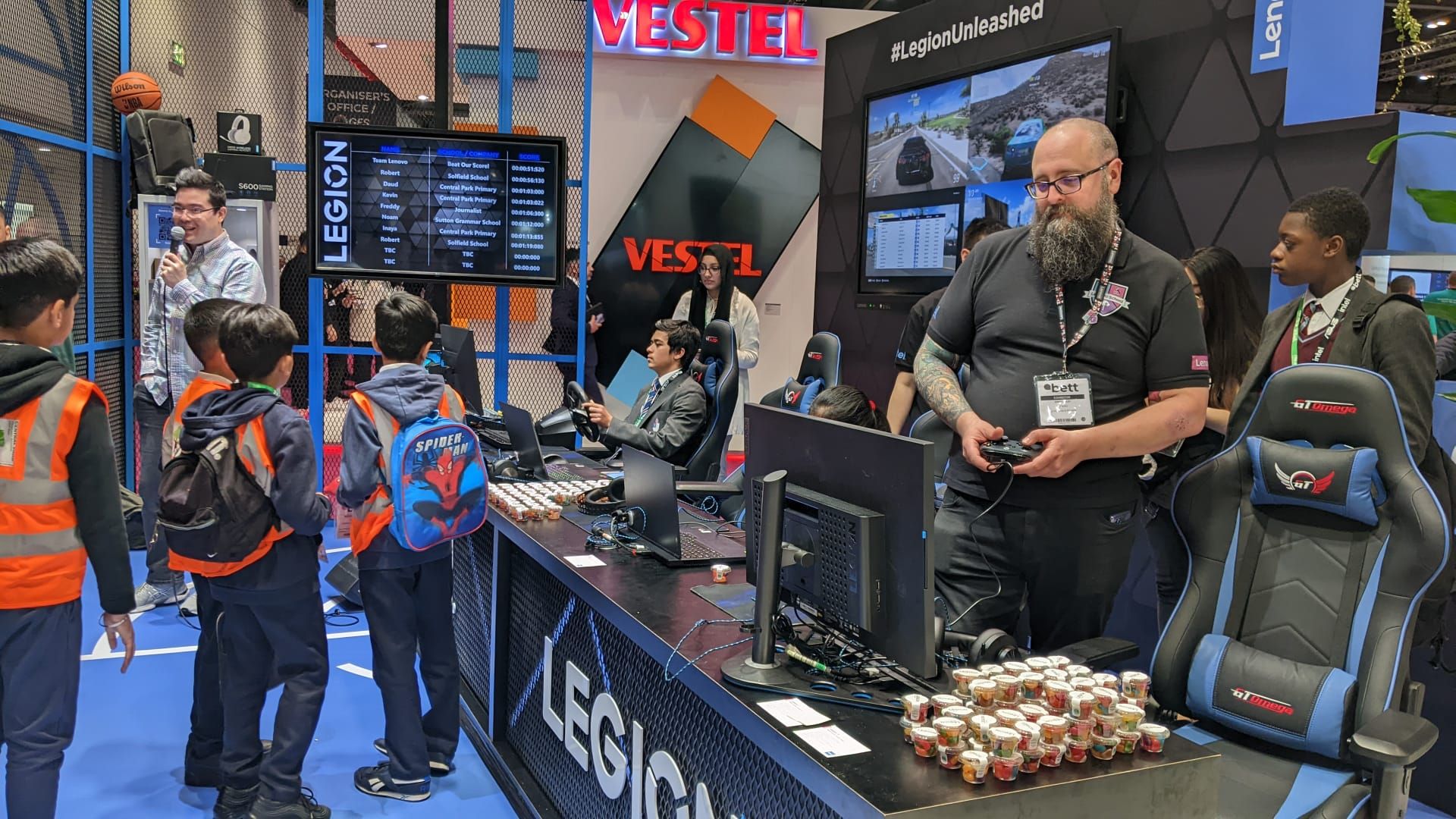
The most striking difference, according to the director, is the inclusion of so-called e-sports in educational discussions. “It’s not about new technologies, but about leveraging gaming technologies—including those that require physical activity, such as dancing or playing ball—for educational purposes. “They’re bringing physical activity and fun into the learning process,” she said. Adriana emphasizes that care must be taken to ensure that none of this replaces traditional sports. “E-sports aren’t meant to take the place of traditional sports. They’re not a replacement, but an additional option,” she explains.
"This content is brought to you by Red Balloon English School in partnership with Bett Brasil. Registration for the conference and accreditation to visit Bett Brasil 2022 are now open. More updates will be shared leading up to the event and will be announced on the website brasil.bettshow.com and the official social media channels @bettbrasil."
Did you like this content? Share it on your social media: