
Personalized Learning: A Tool for Educational Innovation
)
Personalized learning is an educational approach that has the potential to revolutionize the future of education. Instead of adopting a “one-size-fits-all” approach, in which all students receive the same instruction at the same pace, personalized learning recognizes the diversity and individuality of each student, allowing each one to progress at their own pace and according to their own needs.
For Adriana Fóz, an educator and researcher in cognitive and educational neuroscience, personalized learning is an additional tool in education.
“Personalized learning has another aspect: a focus on the student’s learning process, which is part of active learning methodologies. It is effective in that it treats each student as an individual. I believe it should not be the only form of instruction, but it needs to be among the options aimed at the student’s holistic development,” said Adriana.
One of the advantages of personalized learning is that it promotes students’ autonomy and self-direction. By allowing students to choose the topics they study, the learning methods, and the pace of progress that best suit their preferences and abilities, personalized learning fosters intrinsic motivation and student engagement, making the educational process more relevant and meaningful to them.
In addition, it provides opportunities for developing essential social-emotional skills, such as the ability to solve problems, work as part of a team, communicate effectively, and adapt to new situations.
Educational Neuroscience
In this regard, educational neuroscience has also revolutionized our understanding of the learning process, highlighting the importance of taking into account the unique characteristics of each student.
Personalized learning, based on the principles of neuroscience, seeks to tailor instruction to individual needs, fostering a more effective and inclusive educational environment. By understanding how the brain works and how students process information, educators can develop more effective strategies, fostering the cognitive and emotional development of each student in a unique and meaningful way.
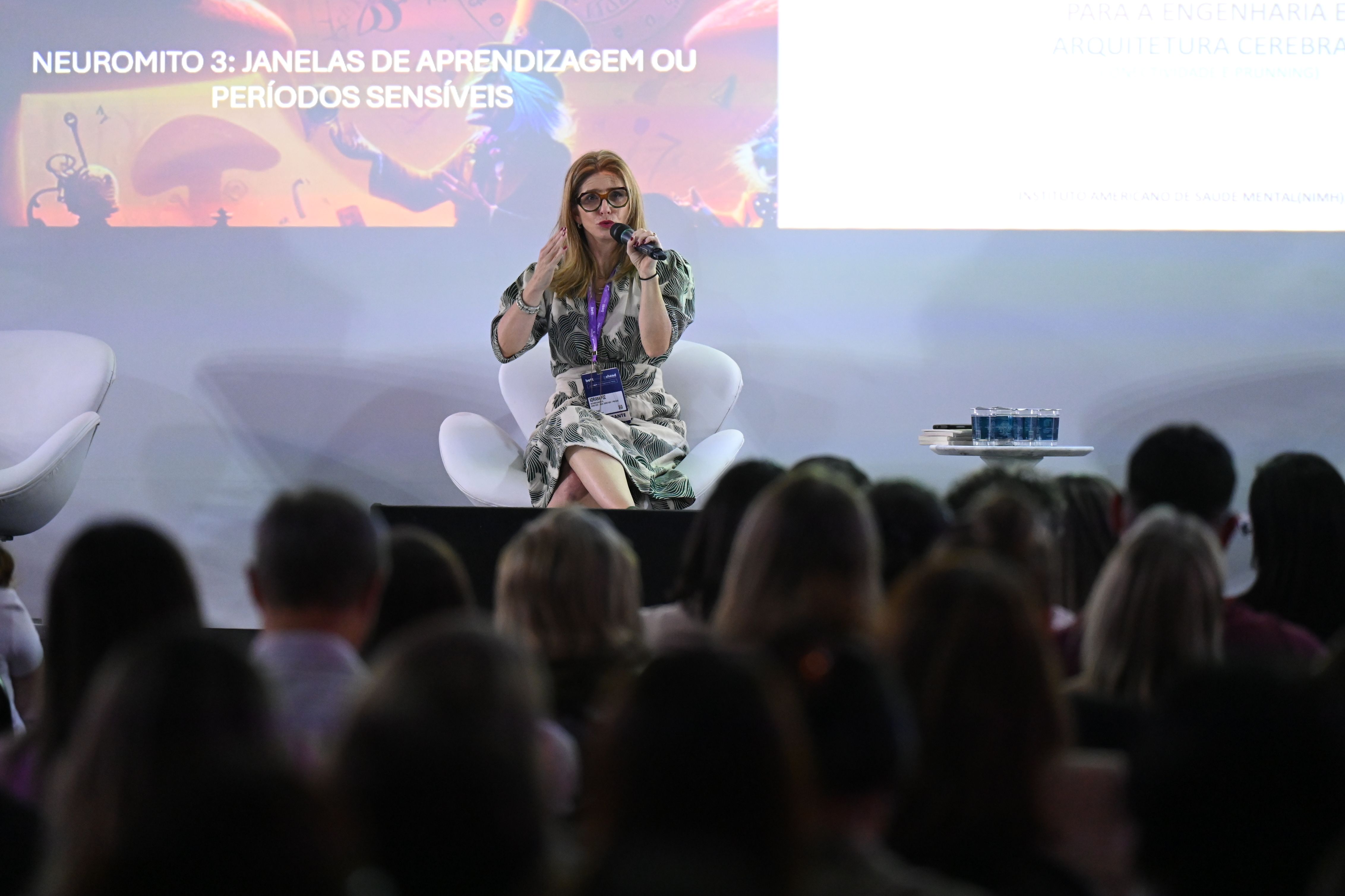
“Educational neuroscience studies how the brain and its neural networks process the functions involved in learning. It is an interdisciplinary field that explores how the brain learns and how this knowledge can be applied to improve educational practice, combining insights from neuroscience, psychology, and pedagogy for use in educational practice,” Adriana noted.
The role of technology in this context
Technology plays a crucial role in enabling personalized learning. Online learning platforms, adaptive learning software, digital educational resources, and data analytics tools are some of the technological tools that allow educators to personalize instruction and track student progress more efficiently and effectively.
By collecting and analyzing data on student performance and preferences, educators can identify each student’s specific needs and adapt their teaching strategies based on that information.
However, it is important to emphasize that personalized learning is not limited to the use of technology. While technological tools are valuable allies in this process, personalized learning also involves a shift in mindset on the part of educators, who need to become facilitators of learning, advisors, and mentors to students rather than mere transmitters of knowledge.
“Effective teacher training programs should include this and other techniques, as well as their applicability at different stages of cognitive and socioemotional development. It is similar, for example, to David Ausubel’s concept of meaningful learning,” added the expert.
For this to become a reality in the future of education, it is necessary to invest in the training and professional development of educators, equipping them to adopt innovative, student-centered teaching practices. Furthermore, it is essential to ensure equitable access to technology and promote digital inclusion, thereby preventing the widening of educational and social inequalities.
Thus, personalization represents a promising approach for the future of education, capable of enhancing students’ holistic development, promoting equity in learning, and preparing students for the challenges and opportunities of the knowledge society.
Share on social media:
Categories
- Learning Strategies