
Bett Brasil Sets a Record with More Than 35,000 Visitors
)
The 28th edition of Bett Brasil, Latin America’s largest education and technology event, drew a record-breaking audience of more than 35,000 people over the course of the four-day event. Visitors to the event were able to explore the latest innovations and solutions for education, with a focus on artificial intelligence tools, school initiatives, and practices for promoting the mental health of students and teachers.
According to Bett Brasil Director Claudia Valério, the 2023 edition of the event reflects the potential of the education sector and its continued growth. “This year, Bett Brasil was larger in terms of floor space, richer and more diverse in its content offerings, and busier than the last edition. We noticed that the education market turned out in force, with solutions to the issues being debated today—such as ChatGPT and artificial intelligence—and this is reflected in the event, with countless solutions proposed by exhibitors and the innovations they are bringing to the entire educational ecosystem,” says Claudia.
She anticipates that in 2024 the event will be even larger due to the demand for the solutions that have been presented. “For next year, we have some news: the event is moving to a new venue, partly because we’ve reached the maximum capacity of the current location, which confirms the potential of the education sector. As a result, Bett Brasil will now be held at Expo Center Norte. Mark your calendars: April 23–26, 2024,” reveals the event director.
The Bett Brasil trade show featured more than 290 companies, including 21 education-focused startups. The booths hosted live demonstrations and a variety of immersive activities so that attendees could learn about innovations in solutions, products, and services for the sector. In terms of visitor diversity, although the Bett Brasil audience is predominantly Brazilian, the event also drew visitors from 21 countries, including Argentina, Chile, the United Kingdom, Germany, the Netherlands, and South Korea, among others.


“Participating in Bett Brasil is very important to us; this is the largest education event in Latin America, showcasing the leading trends in management, technology, and learning techniques for the sector. This year, we chose Bett to present our leading AI-powered solutions for teachers and education administrators—tools designed to support new ways of teaching, learning, and managing educational institutions in a constantly changing world, such as Reading Progress, Web Research Coach, and Speaker Coach,” emphasizes Vera Cabral, director of EDU-Skilling at Microsoft Brazil .
A wide-ranging and diverse program
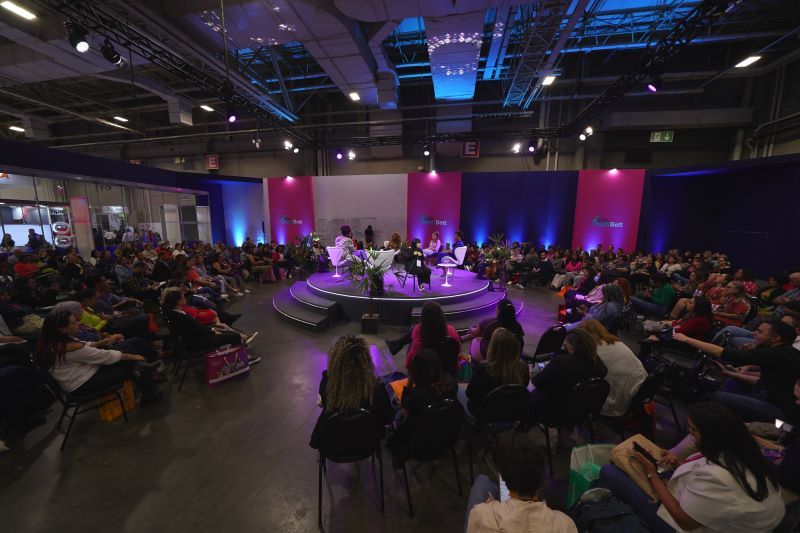
The event fostered dialogue among various stakeholders in education regarding the future of the sector in areas such as teacher training, the use of digital technologies, diversity and inclusion in schools, teaching methodologies and assessments, and mental health care for children and adolescents, among other topics. The program was divided among nine auditoriums, featuring the Bett Brasil Congress, the Administrators’ Forum, workshops, and Ahead By Bett. Other highlights included the Bett Lab—a space for listening and solutions for educational institutions— the Bett Online platform with exclusive programming, the Startups Arena, the Third Sector space, and the autograph session area.

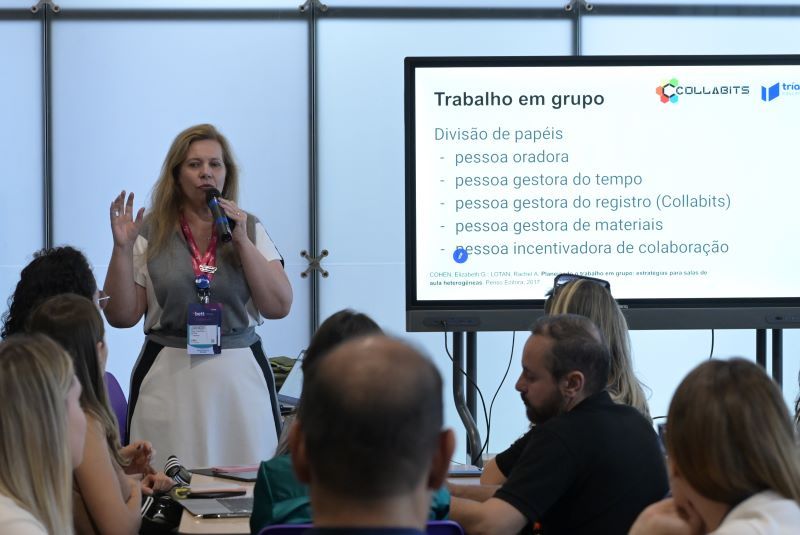
“All content curation was guided by the current post-pandemic situation and the context of Brazilian schools and the educational landscape. As a result, topics such as diversity, mental health, employability, and technology were all addressed in this edition. In addition, one of the most important features emphasized was the opportunity for interaction during the “Roda de Conversa” sessions, where journalists moderated the panels with the participation of experts to explore the topics in greater depth. “Similarly, in the Aquário auditorium, the chairs were arranged in a circle to encourage active audience participation, including having conference attendees take the stage to debate the specific topic proposed for each session,” noted Adriana Martinelli, Director of Content at Bett Brasil.
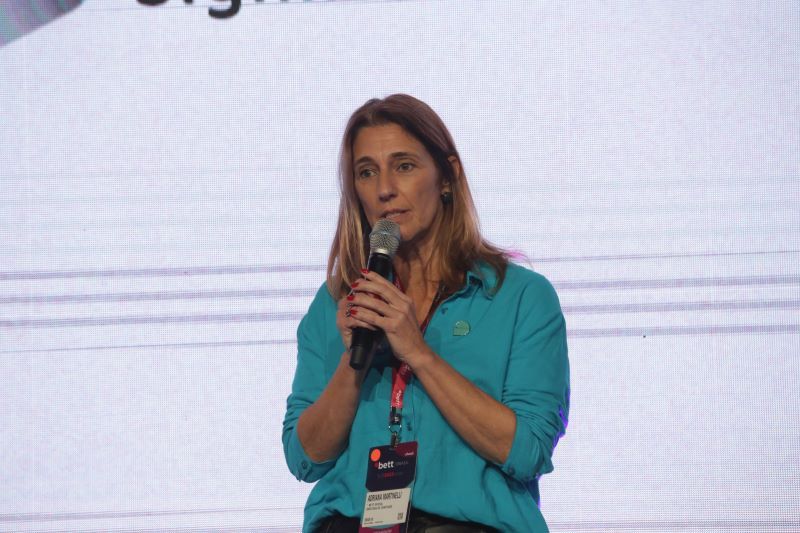
Adriana explained that the innovative content at Bett Brasil 2023 was designed to foster open and democratic dialogue on the most relevant issues in our educational context. “For 2024, we will maintain these formats for dialogue and panel discussions to broaden the scope of debates and topics, always addressing the issues of education for all—whether public or private, at all levels of education, as well as vocational education,” she said.
Important Discussions in Education
Topics currently on the agenda in schools took center stage in the auditoriums at the Bett Brasil Conference, including the New High School Reform (NEM), full-time schooling, media literacy and fake news, and inclusive and anti-racist education, among others.
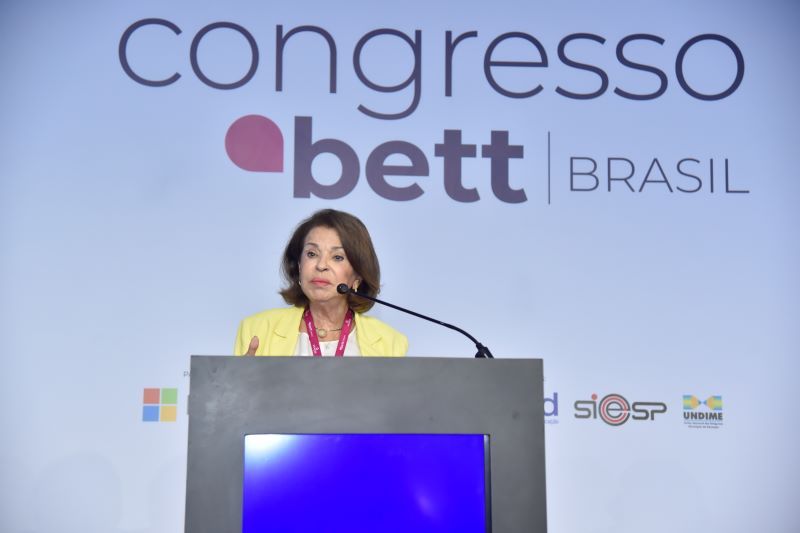
During a panel discussion, Maria Helena Guimarães de Castro, former president of Inep, reaffirmed the institution’s commitment to Brazilian students currently enrolled in the NEM program and emphasized that “all public policy must be improved, but we must move forward with the new high school curriculum and, above all, define and communicate what the Enem (National High School Exam) will look like in 2024. “This is the big question on every student’s mind, and it causes anxiety, uncertainty, and concern,” Maria Helena noted.
In addition to concerns about the new high school system, teachers and principals face the challenge of creating a more diverse school environment. “The diversity of its people is Brazil’s greatest treasure. Diverse people bring different interpretations and perspectives,” noted Cassio França, secretary-general of GIFE (Group of Institutes, Foundations, and Companies). The issue was also discussed by Janine Rodrigues, principal of Piraporiando, and Débora Dias dos Santos, co-councilwoman for the Quilombo Periférico Collective Mandate, who shared their views on the matter.
“Anti-racist education is essentially an education about life, since we need to build a path of commitment and respect for the lives of our children in all their diversity,” commented Débora. She spoke about the importance of having white and non-Black people committed to anti-racism and about Black people’s access to positions of power and decision-making in all sectors, including those involved in shaping educational policies in schools.
Janine emphasized the importance of a responsible and intentional commitment to anti-racist education. She also pointed out that the process of implementing anti-racist education is a long one and that we need to set realistic expectations—to avoid frustration—because nothing will change overnight.
Recent attacks on schools and mental health within educational settings were also topics discussed at the Bett Brasil Conference. During a panel discussion on the subject, Telma Vinha, a professor at the Unicamp School of Education, presented the main profiles and motivations of the perpetrators behind these violent acts.
“These people are seeking a sense of belonging, so since they don’t have that sense of agency in other settings, they end up joining extremist groups that operate online. In these communities, they are valued and listened to, which leads them to commit such crimes for the sake of notoriety,” said Telma. The panelist also warned that this sense of agency on the internet no longer occurs only on the deep web: it is also present on the platforms and social media used by young people.
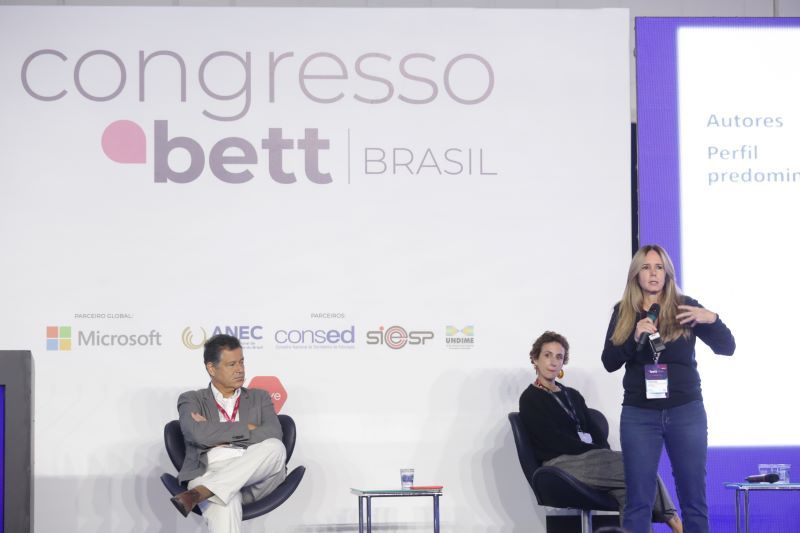
To change this reality, the professor identifies listening and providing a welcoming environment as priorities, especially in schools. “Public policy shouldn’t be limited to security and surveillance; that doesn’t change values. This is a sociological and cultural problem that we need to address through support, mediation, and by giving these young people a sense of belonging. Schools can promote well-being,” Telma stated.
In another lecture, Lucia Santaella, a full professor at PUC-SP, discussed the use of Artificial Intelligence in education. “The arrival of ChatGPT marks an unprecedented turnaround in education. Educational institutions at all levels—including higher education—which, in their customary inertia, had already turned a blind eye to the new logic of knowledge driven by interactive digitization, must now embark on a race against time to make up for at least some of the ground they’ve lost,” the educator observed.
Ahead By Bett
One of the highlights of the 28th edition of Bett Brasil was the launch of Ahead by Bett, a side event focused on higher and vocational education. The goal was to foster an environment for ideas, networking, and the exchange of experiences among educational institutions seeking digital transformation and new learning models and approaches, as well as to provide a space for solution providers in this sector to showcase their latest innovations.
In the Ahead by Bett auditorium, several panel discussions were held, organized around five main themes: hybrid learning, employability, innovation (in new teaching models), the integration of extension programs into the curriculum, and initial training for educators.
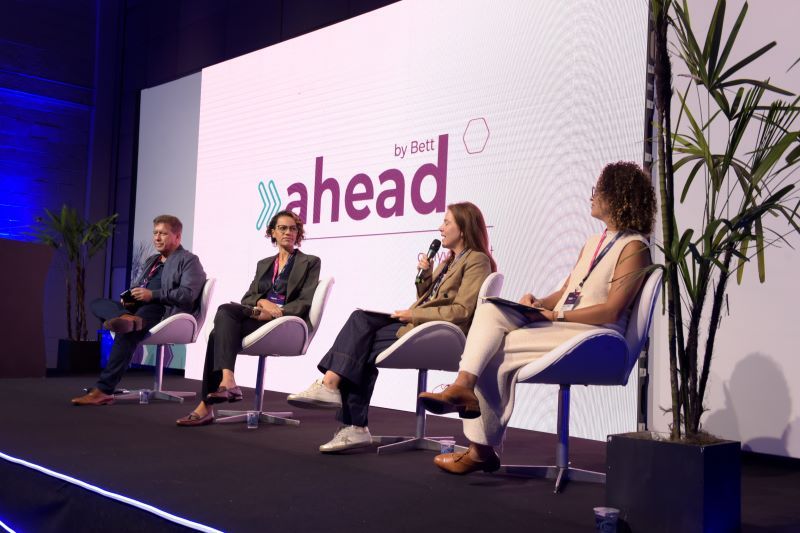
Among the topics, the panelists discussed the impact of digital transformation and artificial intelligence on the job market, as well as opportunities for the internationalization of education. According to Oxygen CEO Andrea Janér, it is not yet possible to predict a definitive scenario regarding the future of work and its relationship with machines and artificial intelligence; however, certain skills are unique to humans, which adds value to and ensures the continued relevance of specific activities.
“We’re just at the beginning of the widespread use of AI, so we don’t yet know what that means for the world, but we’re absolutely certain that we can contribute with our creative and analytical abilities. What sets us apart from ChatGPT, for example, is our life experience,” said Andrea.
We routinely ask ourselves what the profession of the future will be, but is it really possible to predict that? According to Ricardo Terra, Regional Director of Senai-SP, the answer is no. “The future is dynamic; it changes all the time. We can point to what looks promising right now, but that can change at any moment. Technology cycles today are very short, and we need to prepare for that,” Terra noted.
2023 Transformative Educator Award
Teachers, as key players in education, were the stars of the 2023 Transformative Educator Award ceremony, the result of a partnership between Bett Brasil, Sebrae, and the Significare Institute. The awards recognized transformative educational projects developed by Brazilian teachers from educational institutions across the country.
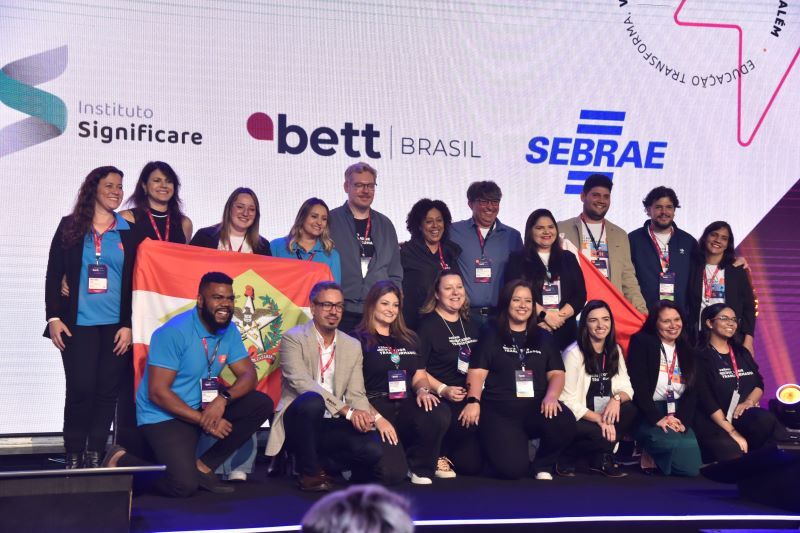
With a record number of entries, seven winners were announced, divided among the following categories: Early Childhood Education, Elementary School (early and late grades), High School, Vocational Education, Higher Education, and EJA (Youth and Adult Education). The winners were:
Early Childhood Education - Joana Bertoldi, from Brusque (SC), with the project: “The Development of Computational Thinking and Logical Reasoning in Early Childhood Education”;
Elementary School (Early Grades) — Cláudia Janaína Carneiro, from Campina Grande (PB), with the project: “Children’s Leadership in Implementing the 2030 Agenda — Studies on Sustainability”;
Elementary School (Upper Grades) - João Carlos Pereira Braga, from Belford Roxo (RJ), with the project “REcoin: Money from Trash”;
High School — Rafael Herdy, from Belém (PA), with the project “Carga PAVÚ: an innovative solution for the smart organization of goods inside various vehicles”;
Vocational Education — Eukennya de Araújo Barbosa, from Recife (PE), with the project “Bringing Technical Education Closer to Real-World Work Experiences”;
Youth and Adult Education (EJA) — Elaine Romanha, from Osasco (SP), with the project “So Many Emotions.”
Higher Education - Antonio Carlos Mariz Junior, from Brasília (DF), with the project “Educational Podcast – Educast IESB.”
In addition to the trophy and certificate, the seven winners will receive a national technical assignment and a full scholarship for the MBA program in Entrepreneurial Education (360 hours). In addition, five other full scholarships will be awarded to the institutions of each of the winners.
Inspirational Figures
Leading figures in fields such as education, culture, sports, and literature took part in the inspiring talks at Bett Brasil, including Augusto Cury, psychiatrist and writer; Adriana Fóz, neuropsychologist and specialist in emotional education; Rene Silva, journalist and founder of Voz das Comunidades; Rossandro Klinjey, psychologist and writer; Iberê Thenório, creator of the Manual do Mundo channel; Martha Gabriel, one of Brazil’s most influential digital thinkers; Tião Rocha, CEO of CPCD—Centro Popular de Cultura e Desenvolvimento; Luciano Meira, adjunct professor at CESAR School; Amanda Costa, founder of the Instituto Perifa Sustentável; and former soccer player and five-time World Cup champion with the Brazilian national team, Cafu, among others.

Rene Silva noted that he launched the “Voz das Comunidades” project—a newspaper dedicated to the favelas and communities of Rio de Janeiro—when he was 11 years old. The publication plays an important social role, as it is produced from the perspective of those who live in and know the community, and its main objectives are to combat stereotypes and inform the public clearly and reliably.
“We were approached by the U.S. consulate during the pandemic to help combat fake news related to COVID-19, which was widespread and had a profound impact on people in the communities. That’s how the Vozes app came about, and—along with other initiatives—it contributed directly to the health and well-being of the population,” he explained.
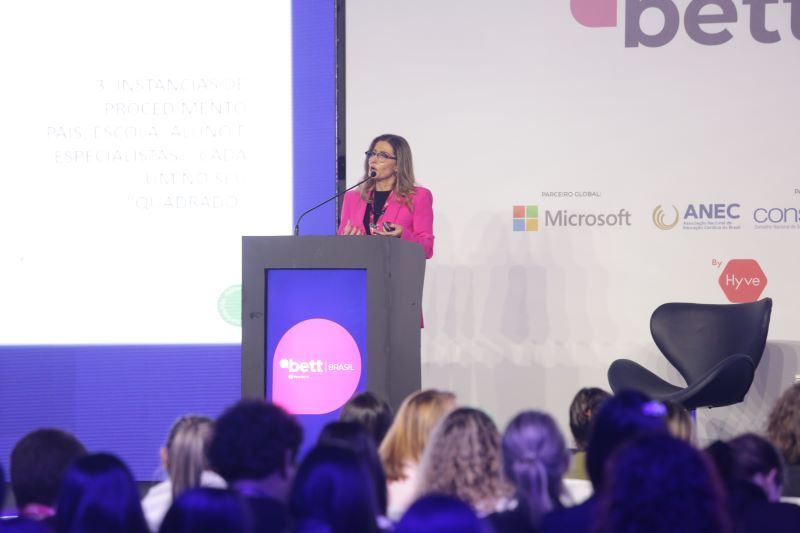
Neuropsychologist Adriana Fóz spoke about how essential it is to engage parents, students, and schools in restoring young people’s mental health . She highlighted concerning statistics, such as data from the World Health Organization (WHO) showing that 10 to 20% of young people suffer from mental health problems, and other studies indicating that 50% of mental disorders manifest by the time a young person is 14 years old—that is, during their elementary and middle school years. Adriana explained that it is necessary to engage parents, teachers, and other educational stakeholders on this issue, as this makes it possible to establish a deeper connection with these situations.
Human emotions and their connection to advances in artificial intelligence were the focus of a lecture by psychologist and writer Rossandro Klinjey. The expert prompted educators to reflect on the following questions: How have I been managing my emotional life? Am I in touch with myself? During the event, he warned everyone about the dangers of operating on autopilot.
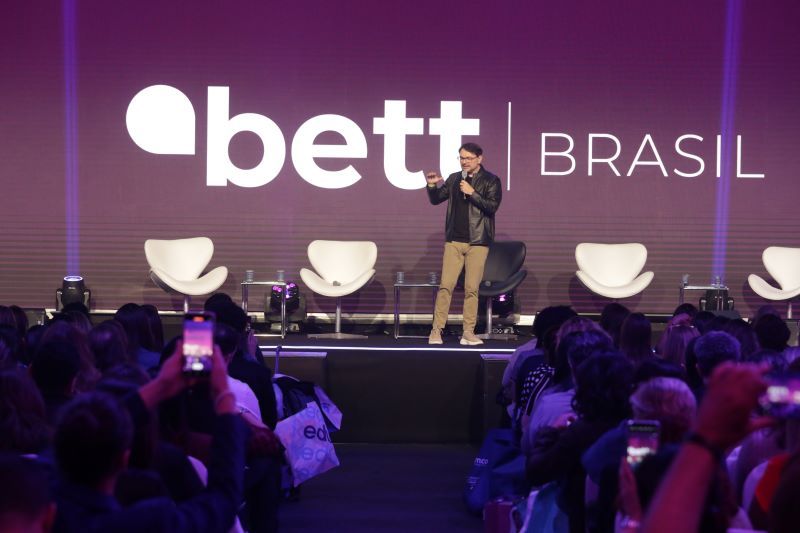
“Today we see many cases of burnout, families without support, and people who give up on life. All of this in a hyper-technological world, which we often navigate on autopilot. It’s important to remember: all the answers lie within ourselves, and we have to be careful, because it’s very easy to lose sight of who we are,” he warned.
Former soccer player Cafu, meanwhile, spoke about the role of education in shaping a person and the power of perseverance. “My career taught me a lot, but what I learned from my parents and at a humble school made of tin in Jardim Irene laid the foundation for who I am today,” he said.
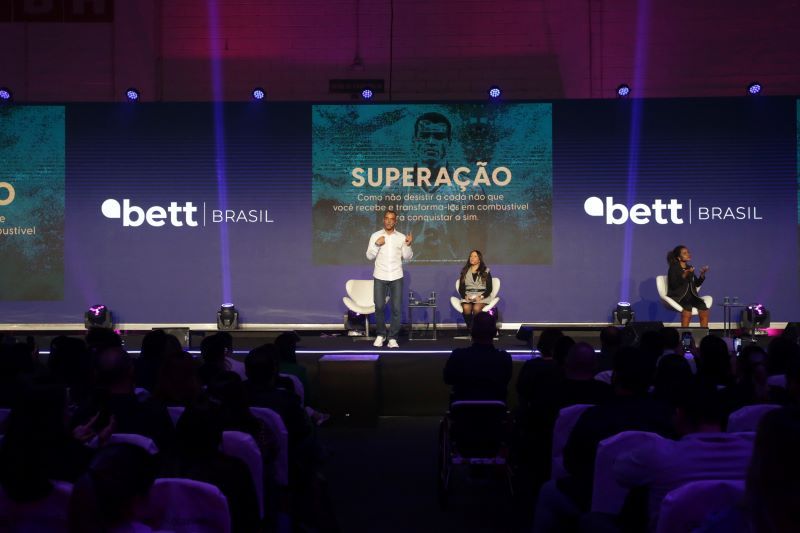
The talk was moderated by journalist Mariah Morais, who emphasized the importance of schools—whether public or private—in helping each person build their dreams. “We often think that those who come from public schools in the suburbs don’t have the right to dream, but we do. Cafu and I can attest to that—we’re products of public schools,” she added.
Did you like it? Share it on social media:
Categories
- The Future of Education