
With record attendance, the 29th edition of Bett Brasil highlights trends in public and private education in the country
)
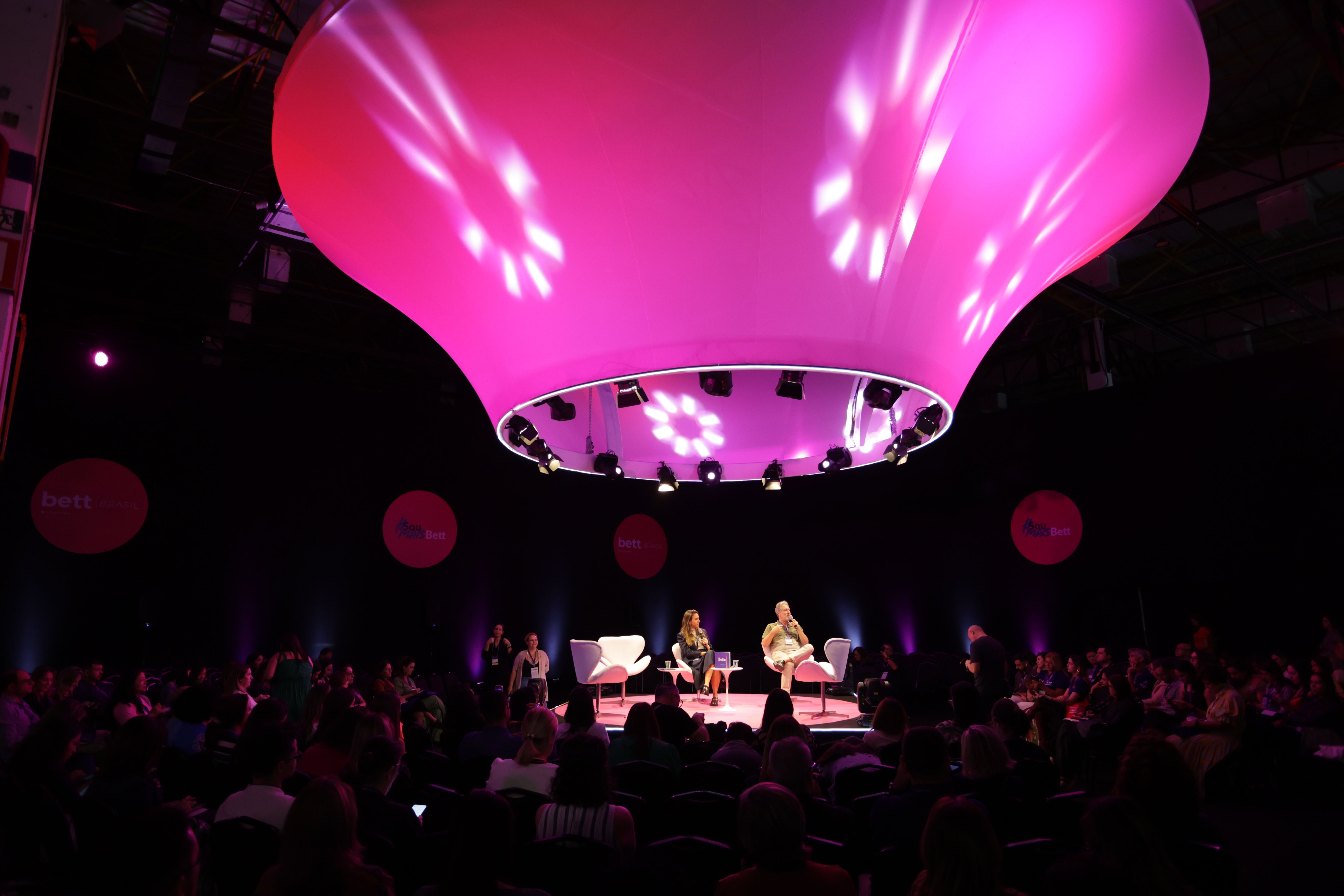
With a record-breaking attendance of over 40,000 visitors, the 29th edition of Bett Brasil brought together teachers, students, industry representatives, and government officials, as well as leading figures from the public and private education sectors across the country to discuss innovation and technology in support of elementary, higher, and vocational education.
With the central theme “Innovation with a Purpose: Education in Dialogue with Social Change, ” Bett organized relevant industry discussions, fostered connections within the educational ecosystem, and showcased educational trends from April 23 to 26 at Expo Center Norte in São Paulo.
State and municipal secretaries of education, government representatives, administrators and teachers from public and private schools, companies that develop technological solutions, and institutions from civil society and the nonprofit sector came together to share knowledge and bring people, ideas, and projects closer together.
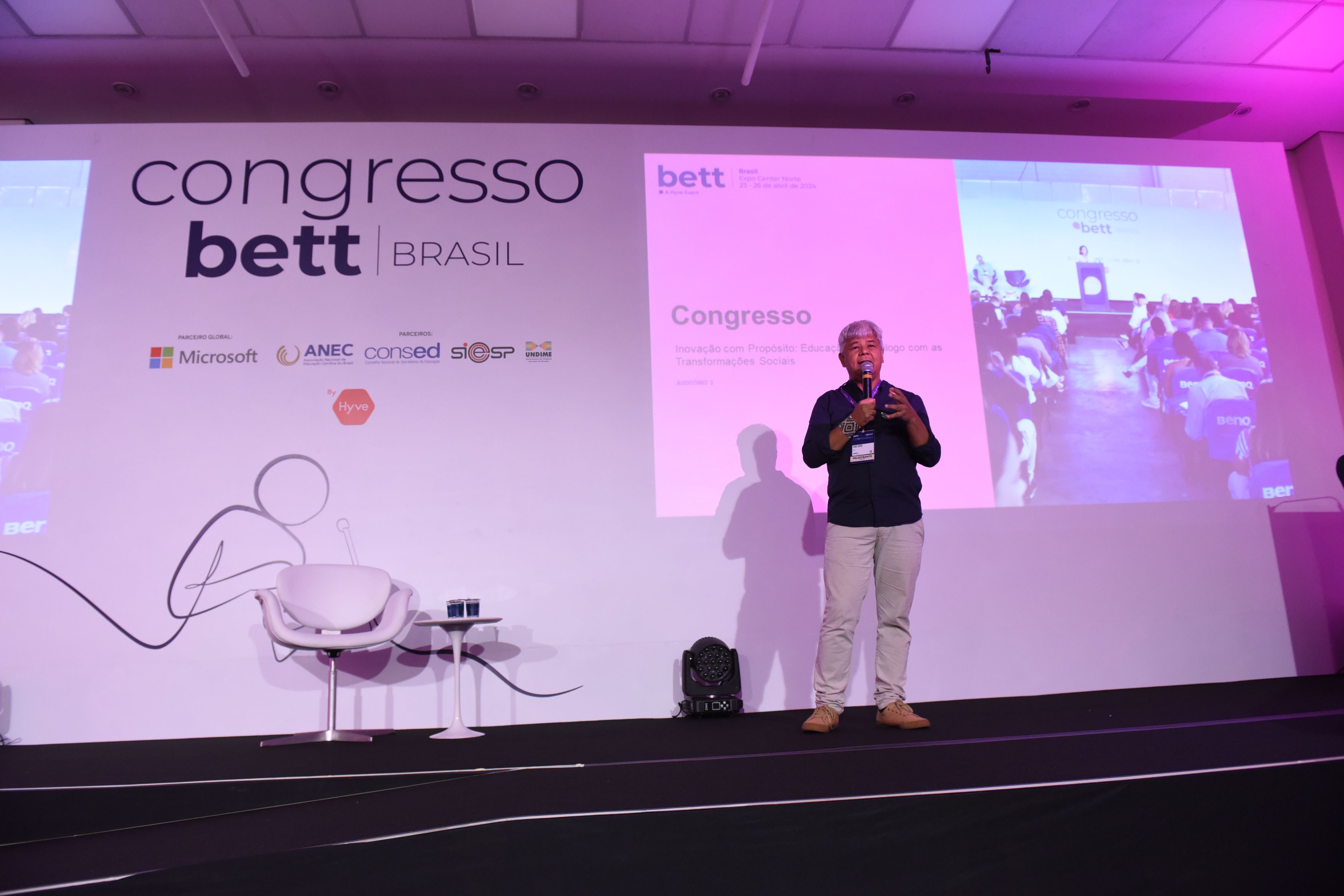
To inspire and discuss the future of education and the role of technology and innovation in the training of educators and students, the event featured themed sessions, divided among the Basic Education Congress, the Administrators’ Forum, the Ahead Forum—dedicated to higher and vocational education—a plenary session bringing together Ahead and the Administrators’ Forum, the Public Education session, and the Startups Arena.
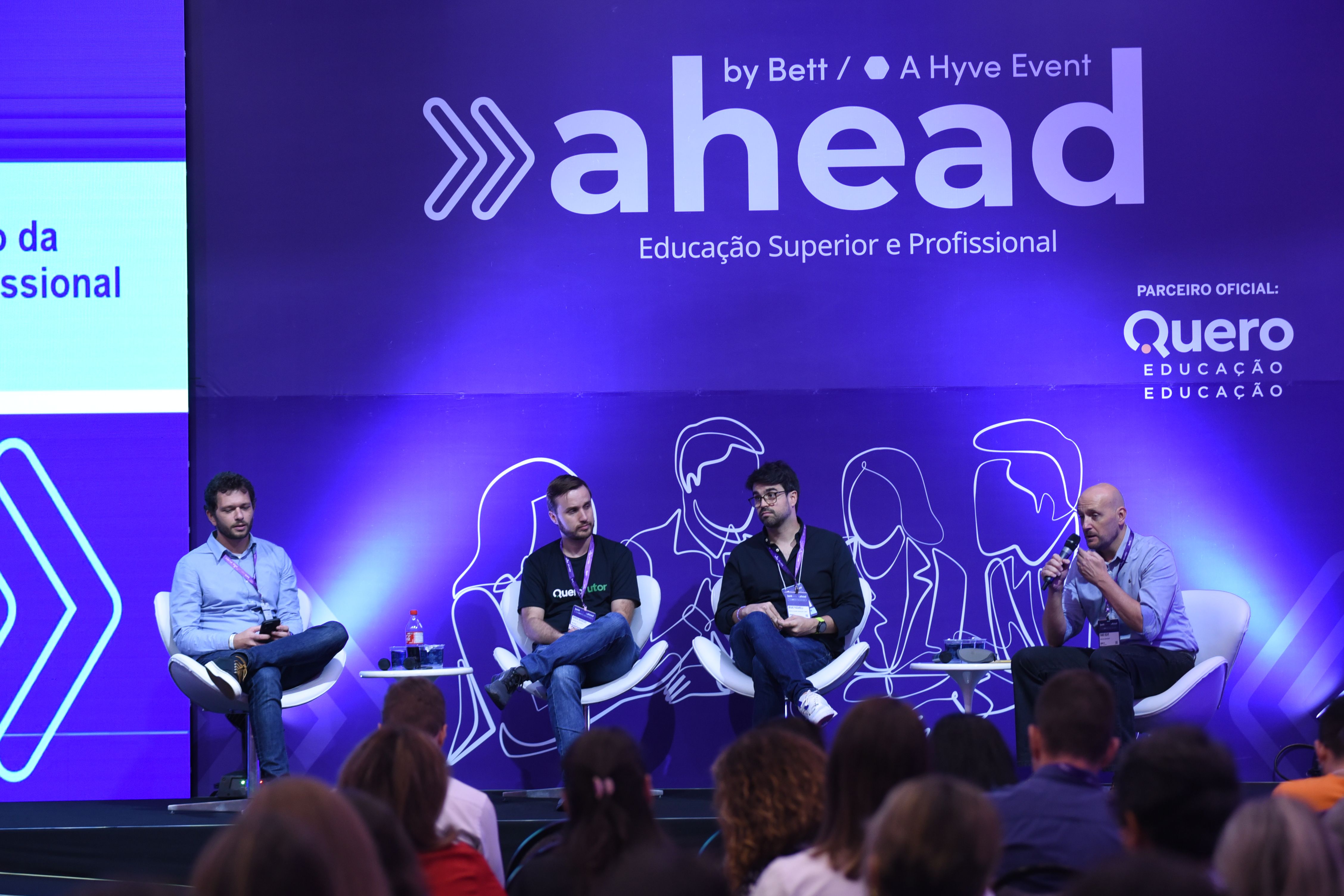
The program also included workshops and inspiring talks featuring personalities such as Augusto Cury, Milton Jung, Rossandro Klinjey, Adriana Fóz, Tabata Amaral, Alicia Pizarro Dominguez, Léo Chaves, Carmen Marta Lazo, Les Foltos, Alexandre Coimbra, Carol Campos, Wimer Bottura, and Kaká Werá, among others.
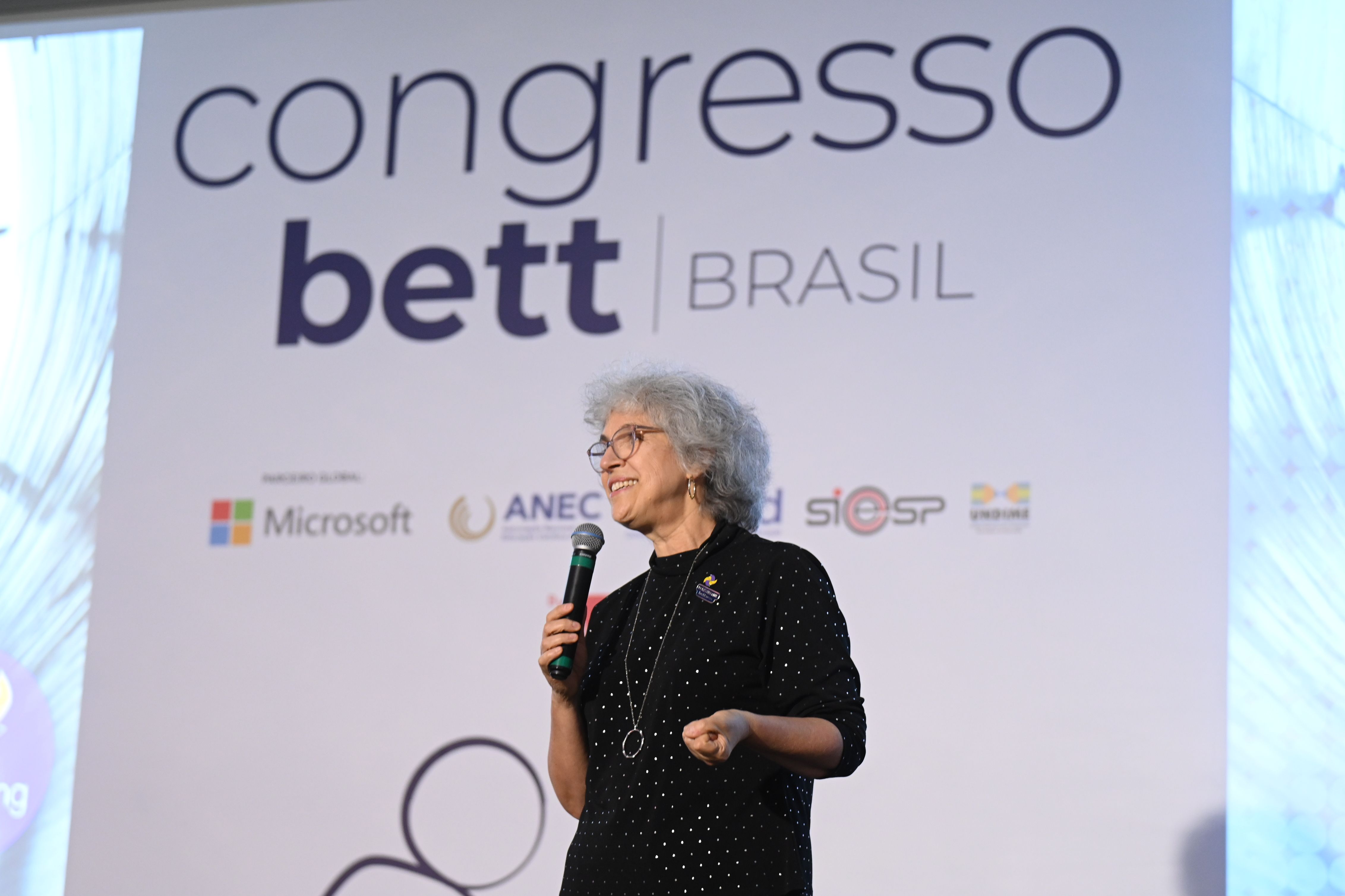
Artificial intelligence as a teaching tool, personalized learning, inclusive education, social-emotional skills, neuroscience, edutainment (education combined with entertainment), and a focus on mental health were some of the trends in education that shaped the 2024 edition of Bett Brasil.
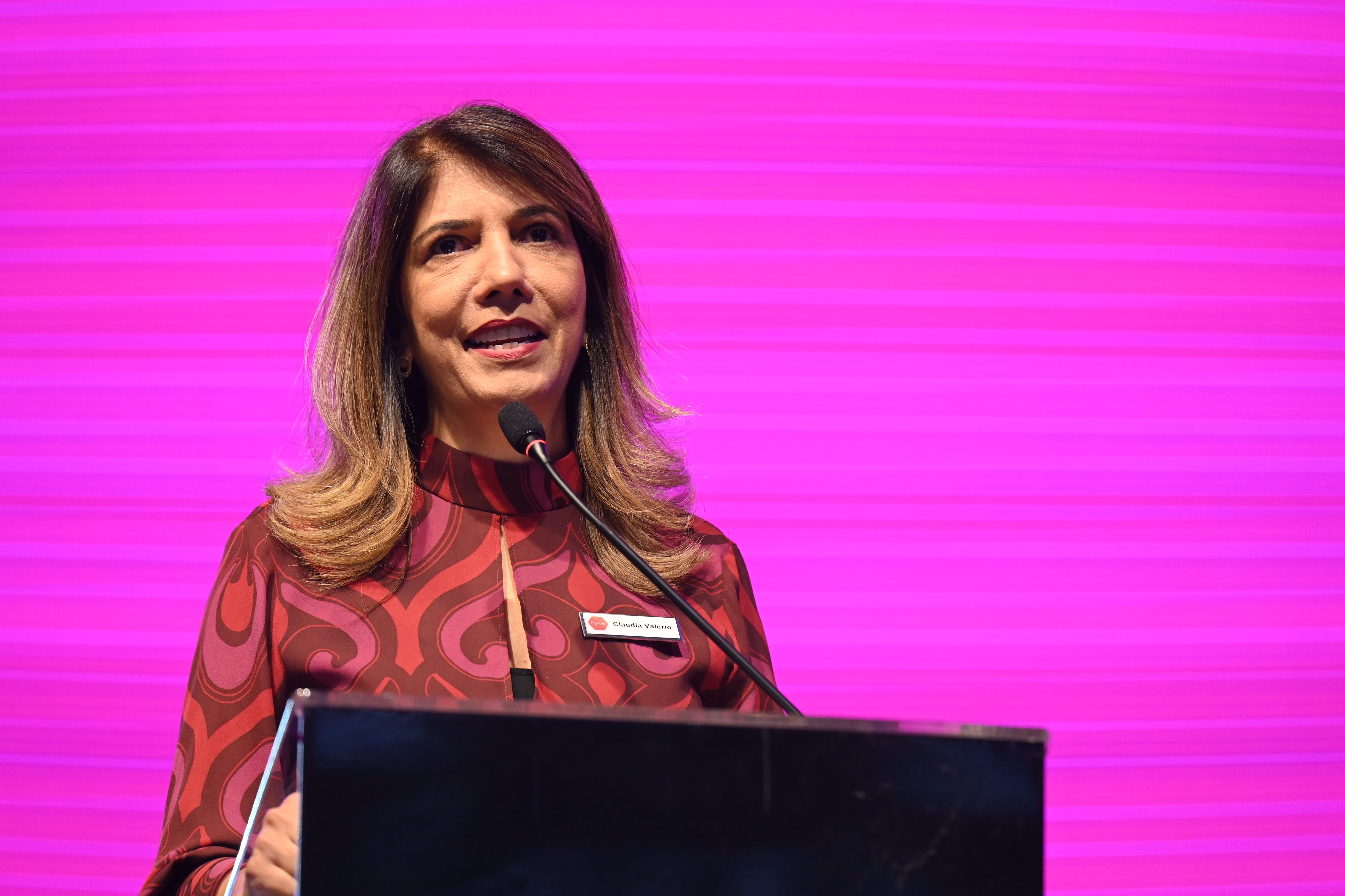
"This was the largest edition in the entire history of Bett Brasil. We surpassed 40,000 visitors over the four days of the event. In terms of content, the program of panels and lectures featured more than 450 speakers, and the exhibition area hosted more than 300 exhibiting brands, representing the entire educational ecosystem,” said Claudia Valério, general director of Bett Brasil, who added: “Bett Brasil has established itself as a key facilitator of dialogue between the needs of administrators, teachers, students, and developers of solutions and technologies. All of them, united by the common goal of advancing education.”
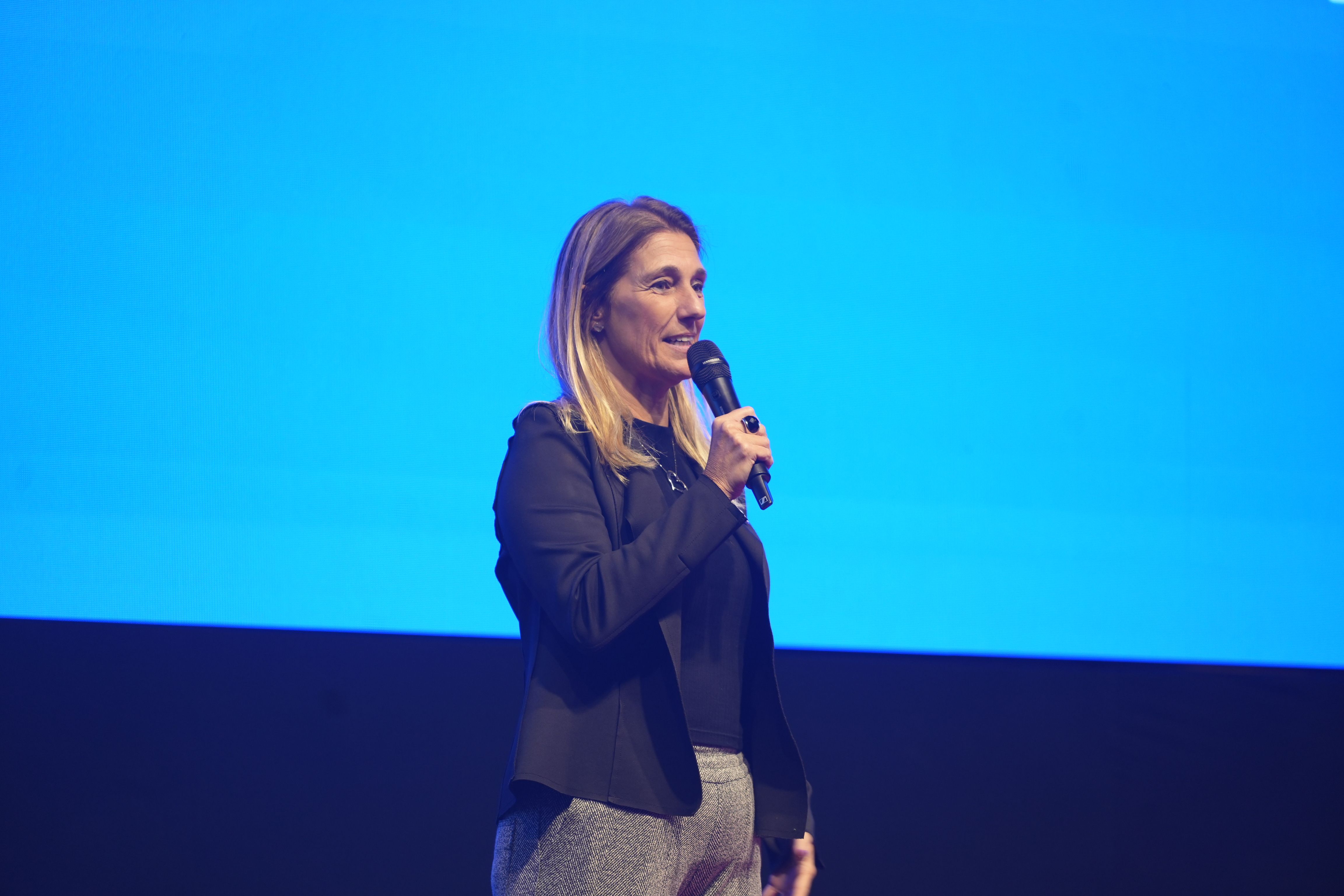
Adriana Martinelli, content director at Bett Brasil, highlighted the diversity of the program presented during the event. “Our content is very much focused on the current reality of education, which is to turn our attention to social transformations. And with that, we’ve been able to bring diversity to the stages at Bett Brasil, including international speakers, which helps us gain a global perspective on the challenges facing education,” she emphasized.
Adriana also highlighted the new features that marked this edition. “One new feature was the participation of students through a special program designed to give them an active voice at the event. Another notable aspect was the increased presence of public education. Since 80% of the country’s basic education system is public, it’s very important to create a space for dialogue among public officials through specific panels on public policy and the sharing of interesting case studies from projects across Brazil,” commented the content director of Bett Brasil.
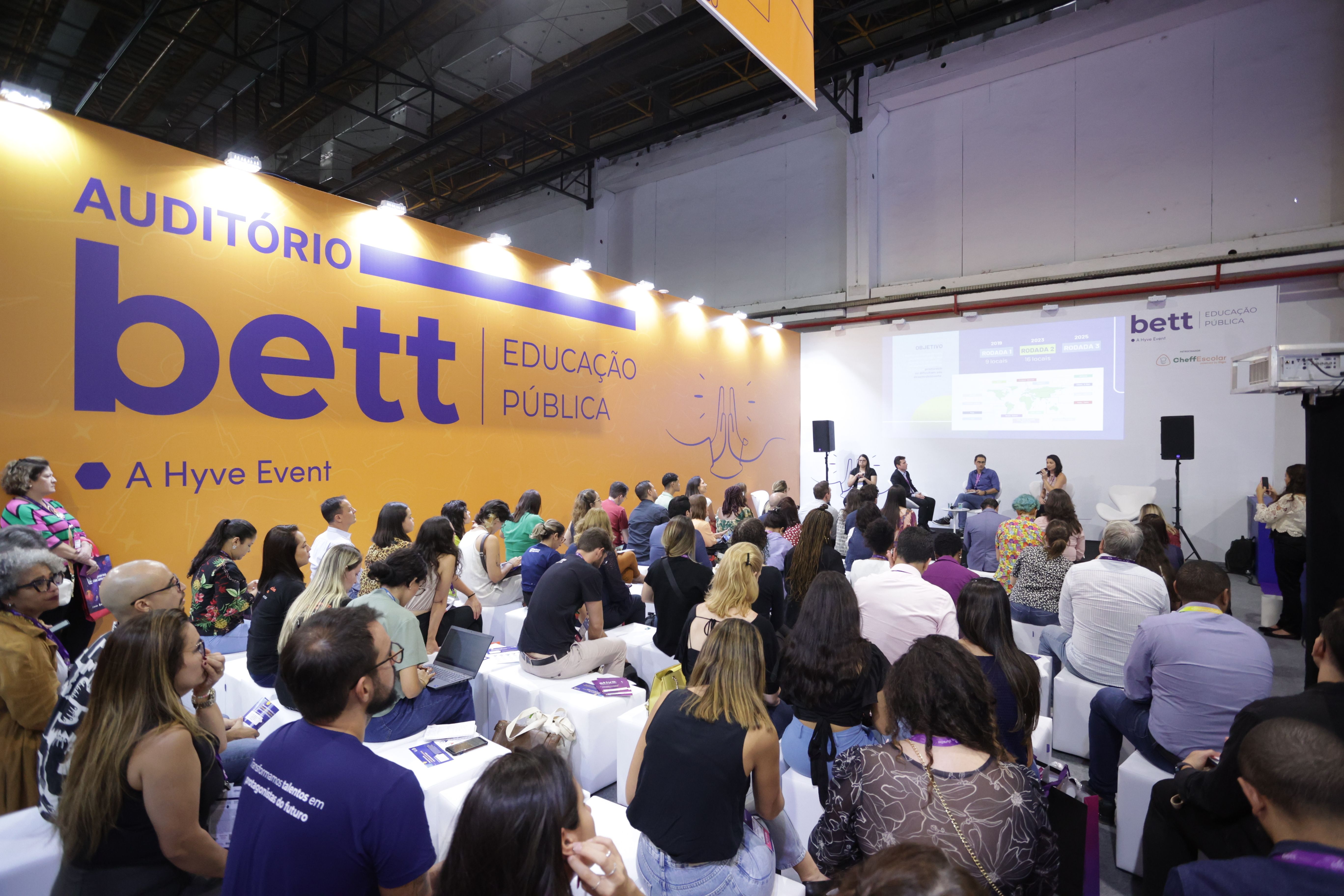
The auditorium dedicated to public education drew enormous interest, with virtually every lecture drawing a full house. There, various initiatives by states and municipalities in educational innovation were presented, whether through the use of technology or the expansion of vocational training programs.
Humanization and Technology
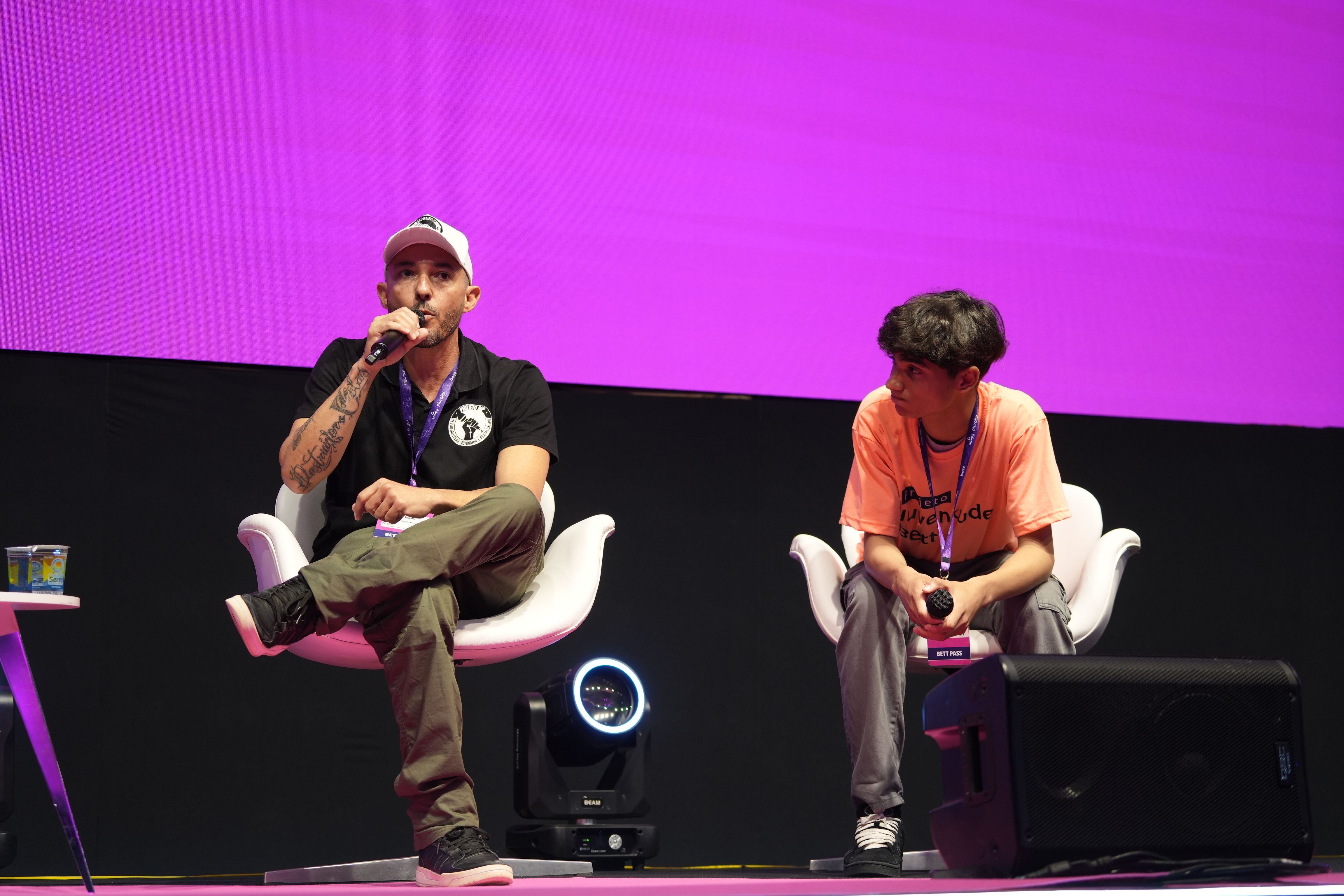
Many topics were discussed. During one of the roundtable discussions, Professor Francisco Freitas, creator of the RAP (Resocialization, Autonomy, and Empowerment) project—an initiative that uses hip hop as a foundation for stimulating learning—emphasized that innovation isn’t just about technology, but also about finding new ways to teach. “The approach must also be innovative. We face the challenge of understanding and encouraging young people to learn in multiple ways.”
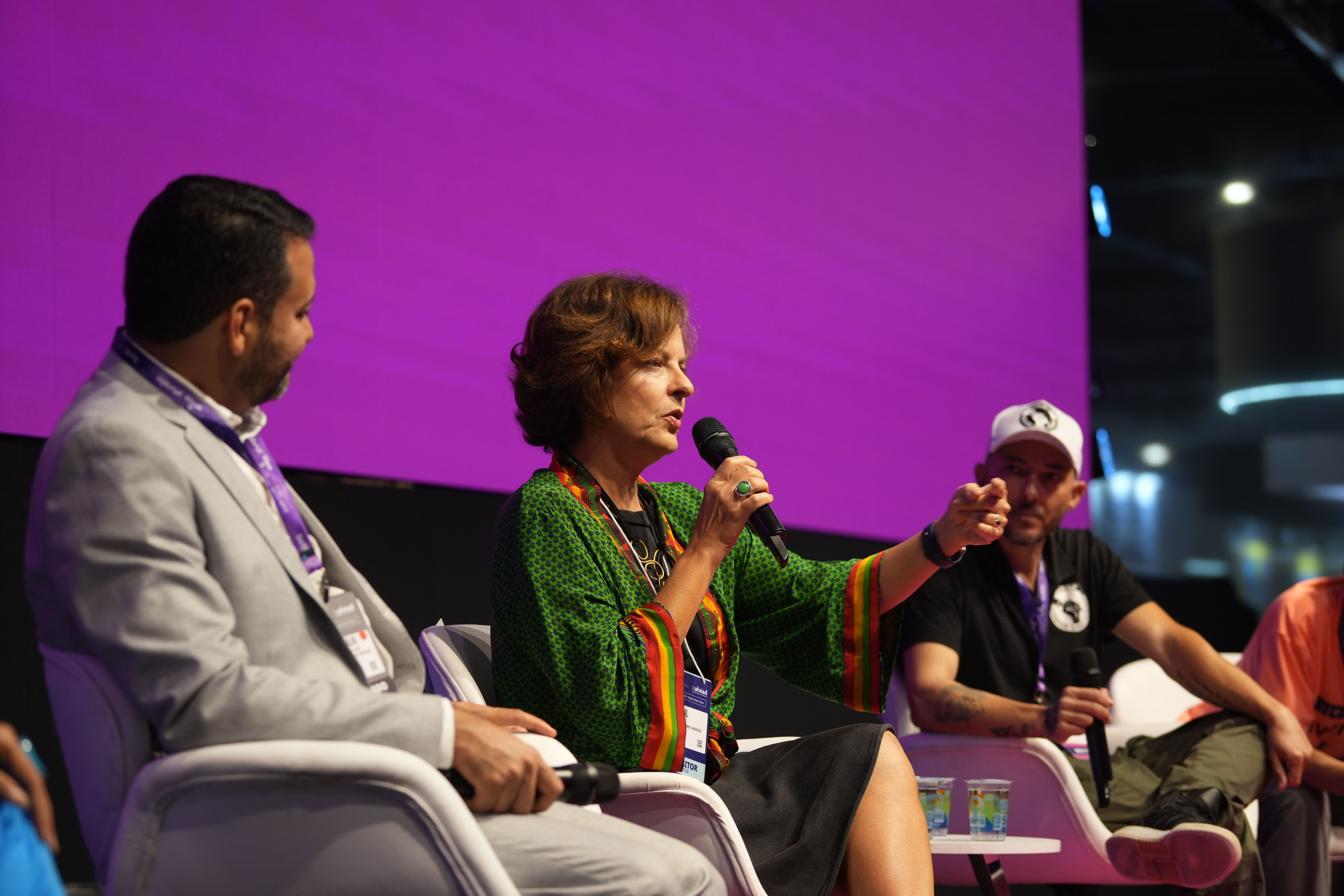
Vera Cabral, Microsoft’s education specialist for Latin America, spoke about how technology is a tool for fostering innovation and democratizing education.
“Technology doesn’t make education—it is educators and students who make education. Technology offers tools that significantly amplify this entire wave of innovation we’ve been discussing. And, particularly now that we’re seeing the development of generative artificial intelligence, this is a very important moment to reflect on how these technologies can democratize and transform education, as well as make it much more equitable and create an education system that includes everyone,” he said.
Mental health: concern is greater among young people
Social-emotional skills not only shape human development but also play a fundamental role in mental health. Experts say that early diagnosis in childhood and support within the school environment can contribute significantly to an individual’s mental health throughout their life.
According to Renata Ishida, educational manager at LIV (Laboratório Inteligência de Vida) and one of the speakers at Bett Brasil, in the wake of the pandemic, the feeling in schools is that emotional challenges are even greater, with children and young people more restless and facing a range of socio-emotional difficulties. The psychologist highlighted some alarming statistics: according to the Ministry of Health, the number of children taking some type of psychotropic medication has increased by 775% over the past 10 years.
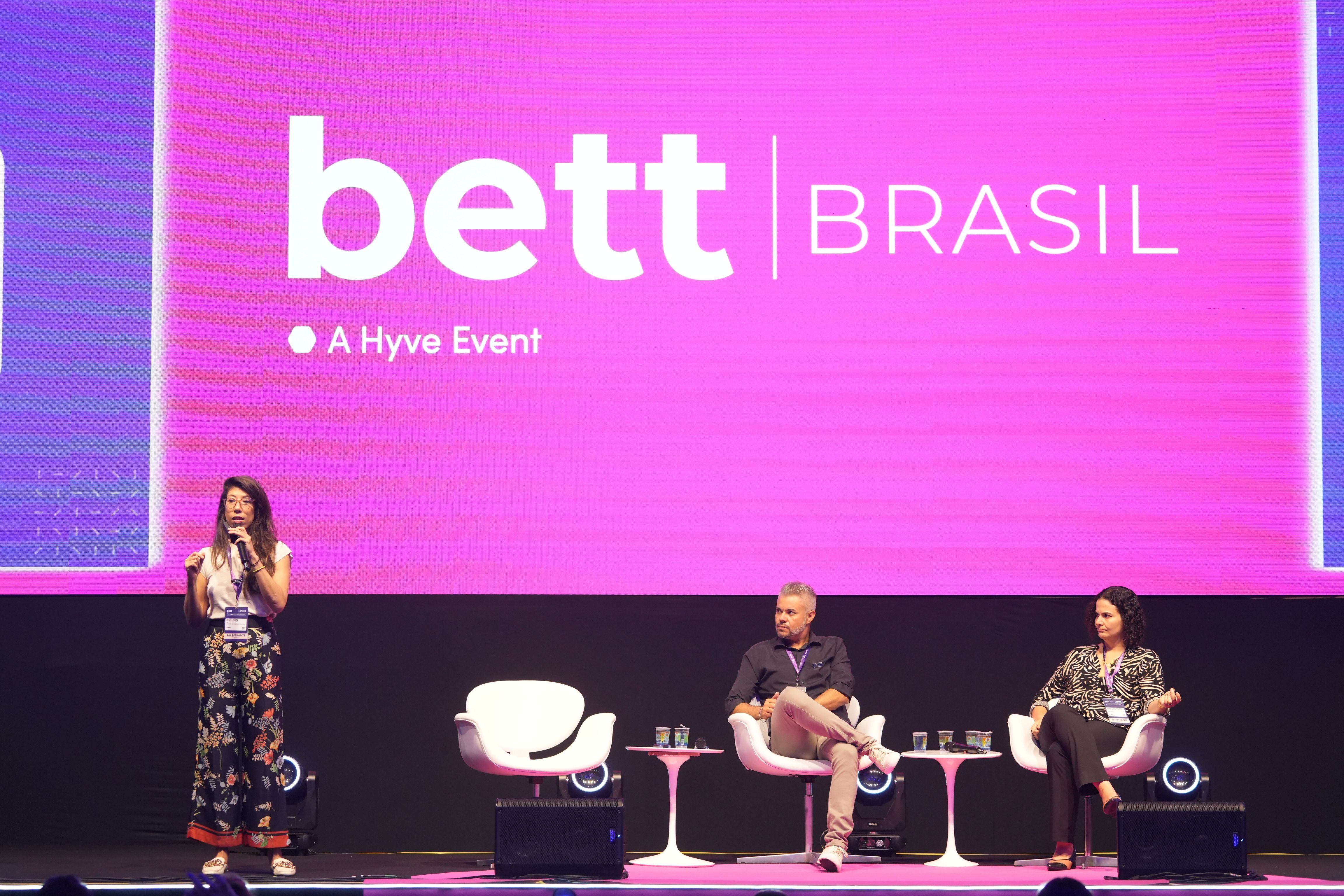
The psychologist emphasized that “we need to provide pathways and tools for people to face their life challenges, and schools play a crucial role in this regard. We need to develop care strategies and practices within the school system and make this a daily practice of welcoming others,” Renata explained.
Another speaker at Bett, Maria Carolina Pinheiro—a psychiatrist and professor at Santa Casa de São Paulo—moved the audience of school administrators and educators, who, after all, face the challenging reality of dealing with trauma and mental health disorders in children and adolescents in schools. “The more I study, the more certain I am that psychiatric disorders are pediatric disorders. It’s better to raise well-adjusted children than to end up with broken adults,” she declared.
According to the educator, 12% of young people worldwide have at least one type of psychological disorder, and the cure lies in transforming young people and inviting them to build their own health. “Health and illness are not opposites. If we get sick, it’s because we’re being invited to reexamine our relationship with the world. We shouldn’t suffer in vain; we need to talk about it and, above all, listen,” emphasized Maria Carolina.
Bett Youth Project
Students also played a leading role at this year’s Bett. Through the “Juventude Bett – Agents of Change” project—a partnership between Bett Brasil, Instituto Criar, and CESAR School—high school students from public and private schools were able to explore educational trends and innovations during the four-day event.
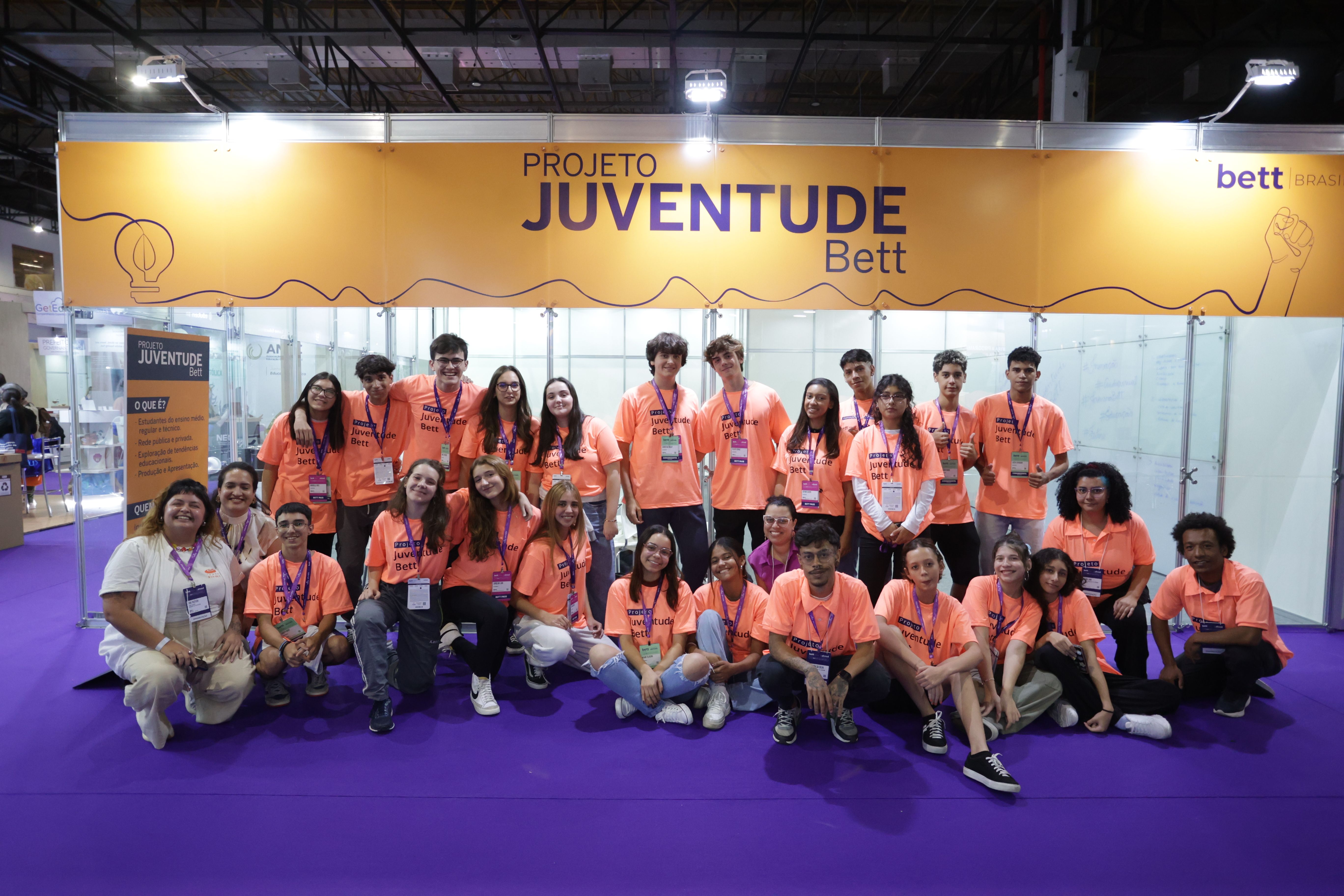
At the end, they participated in the panel discussion “The Voice of Students at Bett Brasil: What Kind of Education Do We Want?,” where they presented the audiovisual projects they had created about the future of education based on what they witnessed during Bett Brasil. Nine students took the stage; divided into three groups, they represented the 24 students from the invited schools.
“Our groups were divided in a way that respected the diversity of cultures and backgrounds, and that’s what gives this project its charm and special touch. We had students from public schools, technical schools, and private schools. This commitment to valuing students is very important because, after all, a fair and conference of this size has a profound impact on them,” said student Daniel.
Helena, another participating student, said that seeing other people’s lives and stories was what made the biggest impression on her. “Interacting with people from different backgrounds and learning about new realities is what I’ve found most meaningful during these days. I was able to talk with different people who have different perspectives but are working toward a common goal,” she said.
OECD Study
Bett Brasil served as the venue for the official announcement of the unprecedented findings of the study “Social and Emotional Skills for Better Lives” (free translation ). The study was conducted by the Organization for Economic Cooperation and Development (OECD), in collaboration with the Ayrton Senna Institute.
This is the first time Brazil has participated as a primary implementation site in the global data collection on this topic, alongside 16 other countries and organizations, including Colombia, Chile, Italy, Japan, Finland, and Bulgaria. In Brazil, the study was conducted in the city of Sobral, in the state of Ceará, in 2023, with more than 4,500 students aged 10 to 15, teachers, school principals, and parents or guardians.
The survey represents one of the first large-scale international studies on social-emotional skills in the world, drawing on data from thousands of students aged 10 and 15. Fifteen social-emotional skills were assessed, along with their importance in the students’ lives.
The study highlights disparities in the development of social-emotional skills among students aged 10 to 15. One hypothesis suggested by Karen Teixeira, project manager at eduLab21—the science laboratory for education at the Ayrton Senna Institute—is that 10-year-old students, especially those in elementary school, enjoy a closer relationship with a single teacher, which may facilitate their social-emotional development.
Other issues addressed in the report included grades and school attendance. Students in Sobral have fewer absences compared to the average among participating countries, although they report arriving late to school more frequently.
Karen highlights the importance of monitoring this trend: “The incidence of absences and tardiness is crucial, as it can be an indicator of potential school dropout and affect student performance. Skills such as determination, persistence, and responsibility help reduce rates of absences and tardiness. In addition, skills such as optimism and enthusiasm are associated with indicators of health and well-being,” she added.
Transformative Educator Award
Bett Brasil hosted the grand finale of the 2nd edition of the Transformative Educator Award, organized jointly by the Significare Institute, Bett Brasil, and Sebrae, in recognition of transformative education projects developed by teachers from across the country.
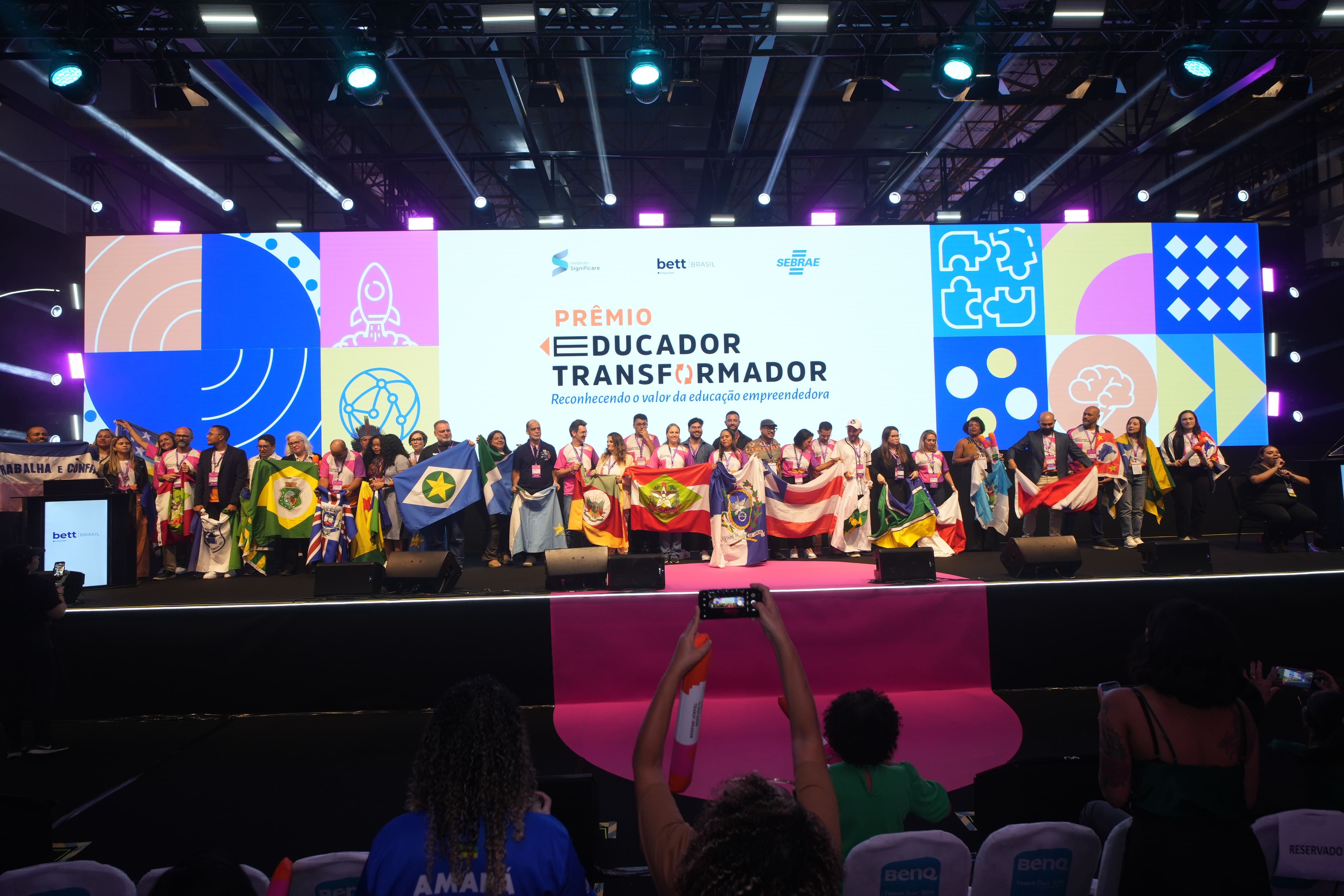
The award highlights the importance of recognizing educators in the process of educational innovation. From among the 35 finalists from all regions of Brazil, the winners of the national round were selected in the seven categories:
Early Childhood Education: Teacher Flaviana Machado, from Silvânia (GO), with the project “My Body Is a Treasure!”
Elementary School—Early Grades: Teacher Luana Alves, from Teresópolis (RJ), won with the project “Entrepreneurs of the Land.”
Elementary School—Upper Grades: Teacher Francisco Freitas, from Brasília (DF), with the project “RAP (Resocialization, Autonomy, and Empowerment).”
High School: Teacher Daniele Bassanesi, from Naviraí (MS), won with the project “Tony Bank: a financial education tool combined with the development of social-emotional skills and values.”
Vocational Education: Professor Leila Ribeiro, from Macapá (AP), with the project “Mulheres de Fibra.”
Youth and Adult Education (EJA): Prof. João Luiz Ferreira, from Feira de Santana (BA), with the project “Pretitude em Foco.”
Higher Education: Prof . Fabricio Piurcosky, from Campo Mourão (PR), with the “Integrow—Integrated Innovation Ecosystem” project.
Solutions and innovations for education
More than 300 brands showcased new releases and innovations in solutions, products, and services geared toward the public and private education sectors.
“Attending Bett Brasil was an extraordinary opportunity for isaac. This was our third consecutive year at the event, and we were there not only to showcase our innovative solutions, but also to celebrate and strengthen the partnerships that have been crucial to our growth and success,” said Paula Jorge, isaac’s general director.
Marcelo Lima, director of Quero Educação, also commented on the company’s participation in the event. “We presented Quero Bolsa’s solutions for recruiting students in higher education, Melhor Escola’s solutions for recruiting students in K-12, and Quero Tutor, our artificial intelligence solution for higher education and K-12 institutions. We had the opportunity to engage closely with a qualified audience to demonstrate the positive impact we have on the results of educational institutions,” said Lima.

“Participating in Bett Brasil for another year was an enriching experience for us at Systemic. We are proud to have launched Fluency Flow, the world’s most comprehensive English speaking fluency test that uses artificial intelligence. Furthermore, having an auditorium dedicated to the public sector and presenting live the successful results of our students in public schools was a unique opportunity to demonstrate the positive impact of our solutions,” said Systemic Bilingual CEO Vanessa Tenório.
Finally, Ricardo Tavares, Director General of FTD Educação, praised the quality of the audience in attendance. “In addition to growing in size and number of exhibitors, the event delved deeper into fundamental topics, such as public education and the need to transform Brazil into a country of bilingual students, without neglecting socio-emotional development,” added Tavares.
The next edition of Bett Brasil already has a set date: April 28 through May 1, 2025, at Expo Center Norte in São Paulo.
Share on social media:
Categories
- Diversity, Equity, and Inclusion (DE&I)
- The Future of Education