

How can we balance technology and emotional well-being in the digital age?
)
In an exclusive interview with the Bett Blog, psychologist, somatic therapist, and communicator Ediane Ribeiro shared her thoughts on the importance of integrating topics such as emotional regulation, critical analysis of digital content, and responsible behavior on social media into education, as well as the need to train teachers to address these challenges.
An expert in trauma and emotional regulation, she also discusses in the interview the impact of FOMO (“Fear of Missing Out”) on students’ mental health, the risk of digital burnout among teachers, and how the school environment can balance online connections with the development of more meaningful in-person relationships. Read the full interview below:
Bett Blog: In the school setting, how can educators promote a more mindful, balanced, and positive use of technology, particularly with regard to social media? What are the key skills that students need to develop to foster this healthier relationship?
Ediane Ribeiro: Encouraging a more mindful use of social media, especially among teenagers and children, is a contemporary challenge that requires a combination of factors both inside and outside of school. This responsibility falls on all sectors of society and goes beyond restrictive measures such as banning cell phones in the classroom—which is important at this time but is not sufficient on its own. Since social media is part of the lives of children and young people, certain topics need to be incorporated into school curricula, and educators also need to receive training on these topics so they can become advocates and promoters of approaches such as:
- Critical Analysis of Digital Content: To Discuss with Students How to Identify and Share Fake News.
- Respect and Responsibility Online: Addressing Behavior on Social Media.
- Emotional regulation, self-esteem, and self-perception: so that children and young people can understand the emotions and feelings triggered by frequent use of social media, learn to navigate the gap between the real and virtual worlds, and recognize the distorted patterns that the digital world can foster, including technology addiction.
- Promoting collaborative activities: Schools need to be spaces for debate, group discussions, and conversation circles, thereby reducing the one-way transmission of knowledge.
It’s worth noting that all of this must be guided by example. There’s no point in offering content and encouragement about the mindful use of technology if the significant adults in young people’s lives engage in uncontrolled use or lead a real life that pales in comparison to their virtual one.
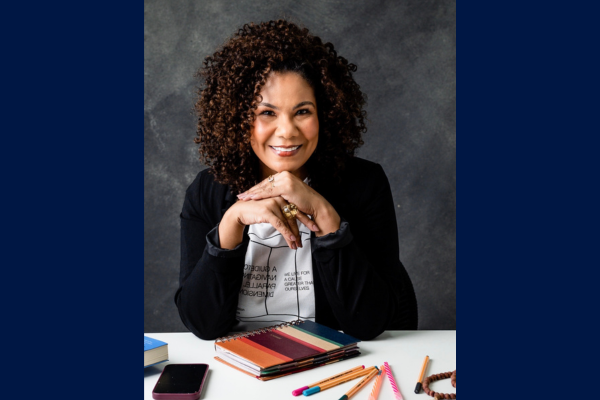
Ediane Ribeiro will be one of the speakers at the 30th edition of Bett Brasil
Bett Blog: In this context, the concept of FOMO (“Fear of Missing Out”) has become increasingly relevant. What are the signs that a student is struggling with this fear of “being left out,” and how might this affect their academic performance and emotional well-being?
Ediane Ribeiro: FOMO is an acronym coined to describe a type of anxiety related to the perception that other people are having better or more interesting experiences. Social media amplifies this anxiety by fostering large-scale comparison and competition, with realities edited to appear perfect.
The signs can be emotional and behavioral, including:
- A constant urge to check social media to see what others are doing;
- Anxiety at the thought that you're missing out on something, such as popular events or TV shows;
- Comparing oneself to others and feeling dissatisfied with one's own life, leading to a distorted self-image and a decline in self-esteem;
- Frequent feelings of loneliness or frustration, even when around other people;
- Sleep disorders and changes in eating patterns due to increased anxiety;
- Difficulty concentrating, which affects learning and academic performance.
Bett Blog: Many teachers report feeling pressure to maintain an active digital presence and engage students through technology, which can lead to mental exhaustion. How can you avoid digital overload and set healthy boundaries?
Ediane Ribeiro: Educational institutions need to undergo a thorough review of their methodologies, curriculum, and pedagogical structure. Teachers should not be expected to incorporate technology as a mere accessory, but rather to be part of a restructuring process that recognizes technology as an inevitable reality.
Meanwhile, it is essential to strike a balance between the use of technology and collaborative strategies, while avoiding overburdening teachers. Schools need to become spaces for collective learning, fostering debates and group discussions. Otherwise, teachers may end up reinforcing behaviors that run counter to the very purpose of educating students to use technology more consciously.
Bett Blog: Given that we live in a digital reality from which there is no turning back, how can we leverage our online connections to build supportive communities and share experiences, while still maintaining meaningful in-person relationships?
Ediane Ribeiro: Online connections allow people from different backgrounds to come together around shared ideas and learning experiences. This space can be used for good, but it can also be used to spread prejudice and violence. That is why those working in education cannot turn a blind eye to this reality.
A positive way to take advantage of this digital reality is to foster communities of collective learning, such as book clubs and interest groups for mutual support. These initiatives are essential for both educators and students, strengthening meaningful bonds within the school environment.
Ediane Ribeiro will be speaking at the Basic Education Congress during the 30th edition of Bett Brasil, presenting the lecture “Self-Perception, Self-Esteem, and Emotional Regulation in the Digital Age: Challenges and Pathways for Educators” on April 30 at 5:00 p.m. In her presentation, she will discuss the impacts of the digital age on education professionals and reflect on strategies for dealing with this new reality in a healthy and balanced way. To attend the Basic Education Congress, register here.
Share on social media:
Categories
- Learning Strategies
- Teaching Methods