
Inclusive education requires integrated policies and student leadership in public schools
)
The debate over educational inclusion has gained even greater significance in recent years. The number of students enrolled in special education reached 2.5 million last year, an 82% increase compared to 2021, according to data from the 2025 School Census released by the Ministry of Education (MEC).
The survey includes students with disabilities, global developmental disorders, or high abilities who are enrolled in regular classes or in specialized schools and classes. The highest concentration of these enrollments is in elementary school, which accounts for 63.4% of the total.
As access to education expands, so does the challenge of making inclusion a daily reality in public schools. This is one of the topics that will be discussed during Bett Brasil at the panel “Inclusive Education in Action: Rights, Equity, and Student Agency in Public Schools, ” featuring Josevanda Franco, a teacher and UNESCO consultant. The panel will take place on May 8 at 12:00 p.m. in the Public Education Auditorium. Admission is free, and you can register here.
For Josevanda, the implementation of inclusive special education still faces structural and social obstacles that permeate the daily reality of public school systems. Among the main challenges, she highlights social inequalities, which directly impact the educational journey of millions of students facing issues such as food insecurity, urban and domestic violence, lack of transportation and school supplies, as well as racism and a lack of family support.
Another critical issue, according to the expert, is insufficient teacher training. “Without adequate preparation, teachers may feel insecure and overwhelmed, which hinders the development of teaching practices—particularly when the focus is on inclusive special education, which requires the knowledge needed to implement an equity policy,” she notes.
Accessibility barriers pose another significant challenge. Among them, Josevanda highlights the attitudinal barrier—often invisible but deeply harmful—that encompasses racism, stigmatization, ableist practices, and bullying.
“Overcoming these barriers requires a collective effort involving schools, families, the community, and public institutions, as well as ensuring that spaces are architecturally accessible,” says Josevanda.
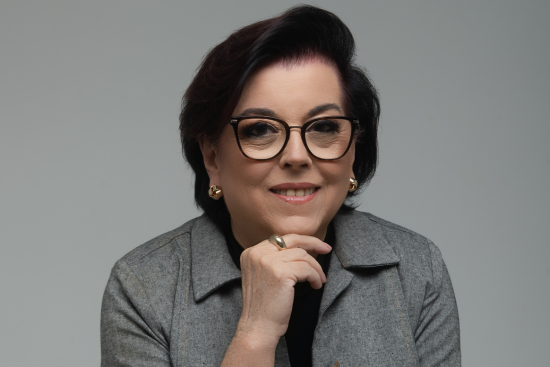
Josevanda Franco is confirmed to attend Bett Brasil 2026. Photo: Courtesy.
In this context, curricular flexibility emerges as an essential strategy for promoting inclusion. According to the expert, adapting teaching practices does not mean reducing content, but rather recognizing students’ different learning paces, limitations, abilities, and interests. “It is necessary to adopt multiple ways of teaching and assessing, while respecting the experiences and knowledge that each student brings to school,” she says.
Josevanda also points out that many public policies aimed at inclusion are still implemented in a fragmented manner, without coordination among programs, laws, and guidelines. This lack of integration can place an excessive burden on schools and hinder the continuity of important initiatives.
Other challenges include the shortage or complete absence of Specialized Educational Services (AEE) professionals, which hinders the identification, development, and organization of educational and accessibility resources, as well as the lack of specific instructional materials.
Practical Example
Throughout her career, the educator has witnessed initiatives that demonstrate how well-structured policies can bring about tangible change. One example was the creation of the Municipal Policy on Inclusive Special Education in Nossa Senhora do Socorro (SE), when she served as municipal director of education.
The initiative established the Specialized Educational Services Center (NAEE), which is responsible for providing multidisciplinary services to students in special education. The center brought together services in psychology, educational psychology, speech-language pathology, occupational therapy, and physical therapy, thereby expanding support for schools and families.
Another significant project was the Ilé Iwé Program (a school in the Yoruba language), aimed at providing continuing education for teachers and educational coordinators to implement Law No. 10,639/2003, which made the inclusion of Afro-Brazilian history and culture in the school curriculum mandatory.
Developed in partnership with the Sergipe Public Prosecutor’s Office, the program received the Innovare Award in 2023, a national recognition in the field of rights protection.
Student Leadership
In addition to educational policies and practices, Josevanda highlights the role of student leadership in creating welcoming, democratic, and healthy school environments. For her, student participation goes beyond simply “giving them a voice.” “It’s about recognizing them as individuals with rights who are capable of analyzing problems, proposing solutions, and participating in decisions that impact school life,” she says.
When schools encourage this active participation, they create opportunities for students themselves to identify situations of prejudice, exclusion, or unfair rules, thereby helping to combat practices such as bullying. Programs that foster autonomy, responsibility, and conflict resolution can improve the school climate and foster a greater sense of belonging.
Share on social media:
Categories
- Diversity, Equity, and Inclusion (DE&I)