
Media literacy and the responsible use of technology are the themes of the third day of Bett Brasil
)
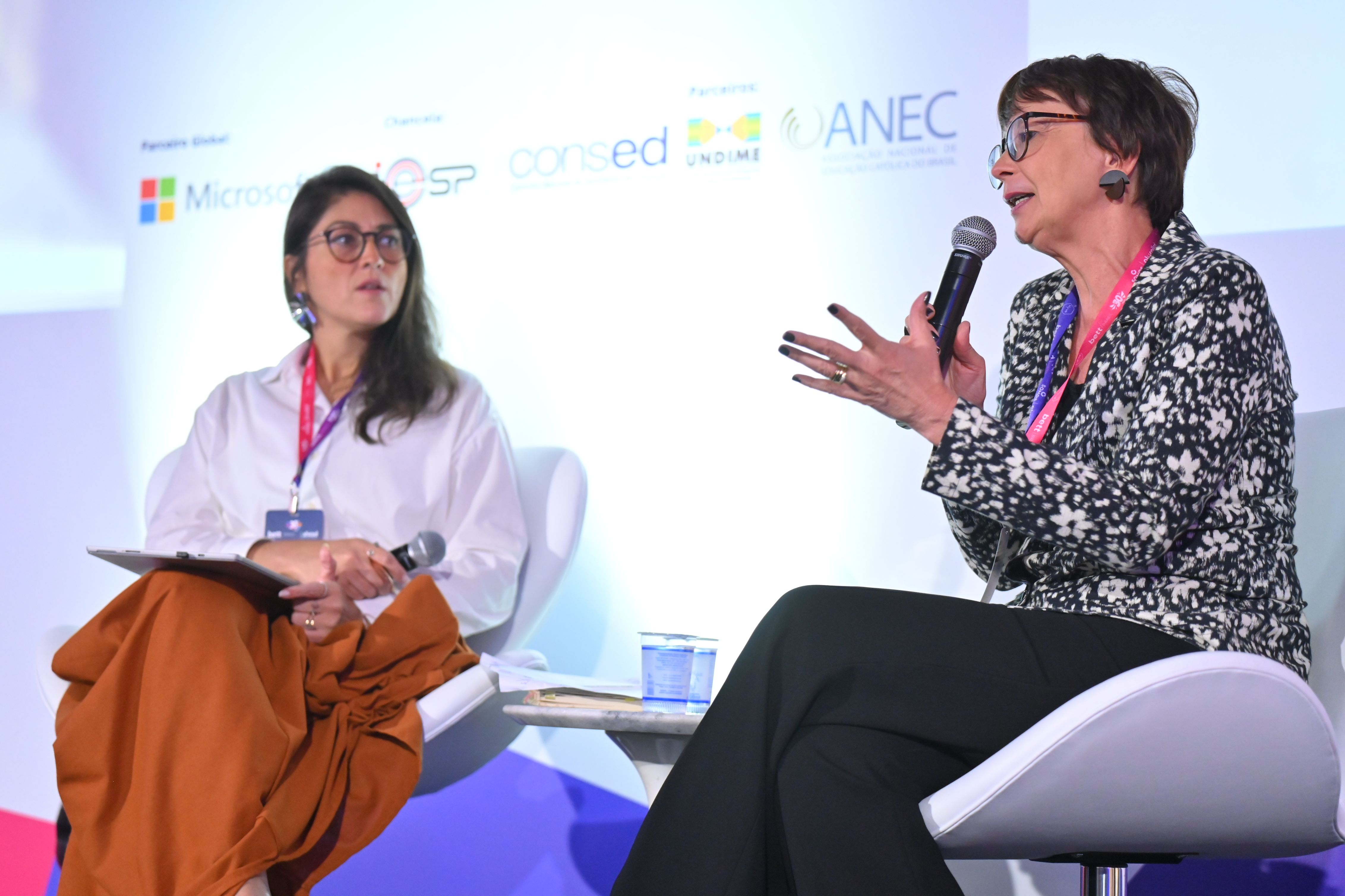
Influencer and media personality Felipe Neto participated in a digital panel at the 30th edition of Bett Brasil to discuss the role of schools in fostering informed readers capable of critically interpreting content circulating on social media, in newspapers, and in everyday digital life. Moderated by journalist Petria Chaves (CBN), the discussion also featured writer and educator Januária Alves, director of Entrepalavras.
The panel moderator, Petria Chaves, opened the discussion by quoting South Korean philosopher Byung-Chul Han: “The crisis of democracy is the crisis of attentive listening.” During the debate, Petria asked Felipe Neto when he realized the importance of books and why he chose to be an influencer rather than a “dis-influencer.” Felipe replied that he had always enjoyed reading, but it was only later that he realized how reading had shaped his ability to interpret the world around him. “I realized that this transformed my life, and it can transform the lives of others.”
Known for his strong digital presence, Felipe highlighted the potential of influencers and YouTubers in promoting good reading habits. According to him, digital platforms and new media can be powerful allies in fostering a love of reading, challenging the idea that these tools replace traditional methods.
“Even newspapers, when they began to be distributed on a massive scale, were criticized. Whenever something new emerges, there is criticism that it destroys the previous model. I oppose that view,” said Neto, advocating for the effective use of digital resources as tools to facilitate learning.
However, he also warned of the challenges posed by the digital environment, citing the lack of regulation on social media, which prioritizes profit over literary content. “Social media is completely unregulated, and this lack of legislation has destabilized the digital landscape. Today, the algorithm prioritizes what generates profit—which, in this case, isn’t books. This ends up causing people to lose interest, especially young people,” he said. According to Felipe, niche influencers, such as those in literature, face difficulties due to platform algorithms that limit their reach.
Reading should be a hobby, not a habit
The broadcaster also shared his personal experience with literature, emphasizing the importance of making reading enjoyable. “Reading shouldn’t be a habit; it should be a hobby. You have to have a passion for it. In my view, forcing children to engage with literature they don’t yet understand undermines the entire process,” he said. He cited the use of audiobooks as an alternative to spark a love of reading, highlighting the importance of trying different methods to broaden readers’ horizons.
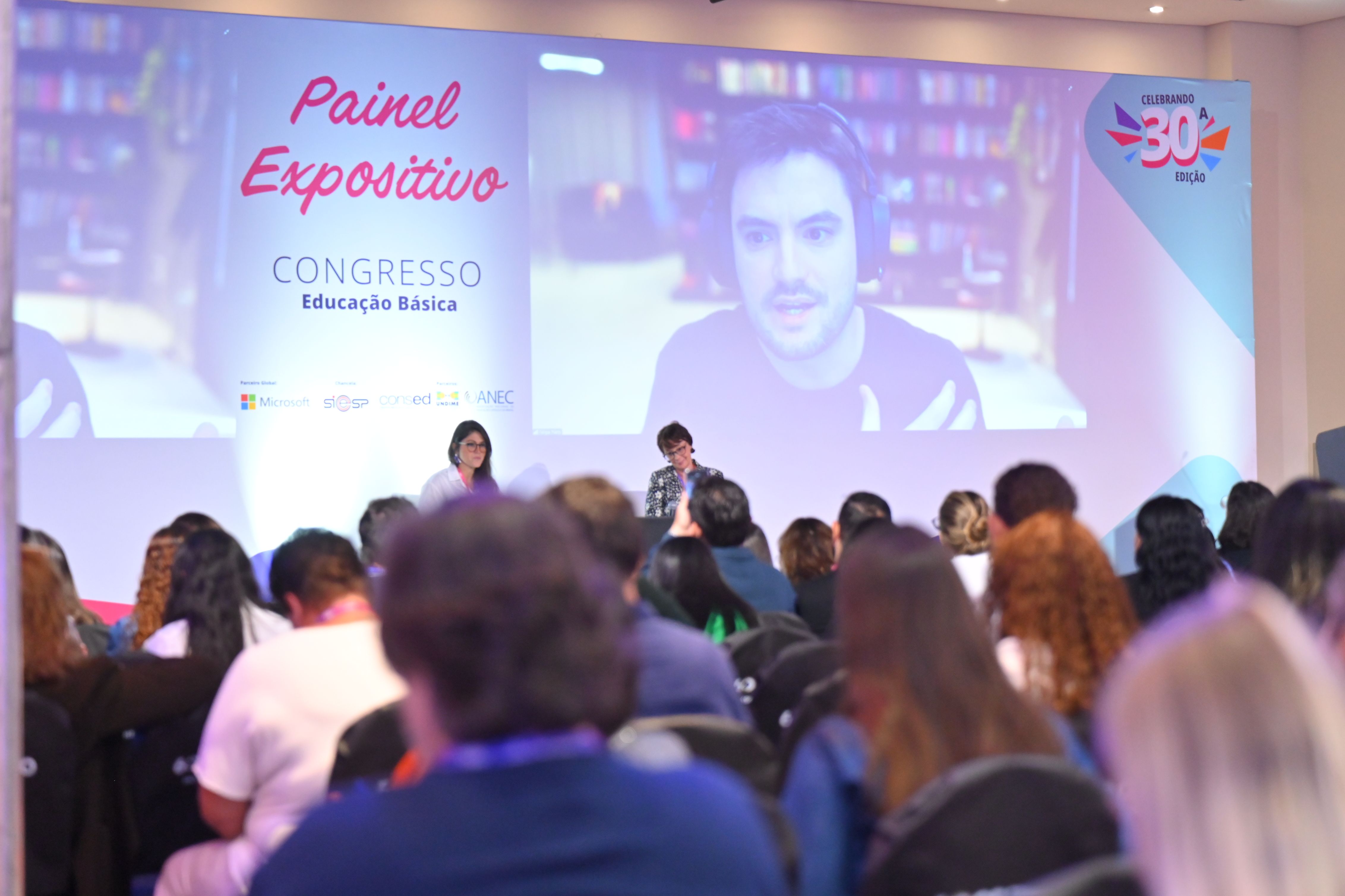
For her part, Januária Alves reflected on the state of reading in Brazil, noting the loss of more than 4 million readers in recent years. “There is a battle for reading in Brazil. But we cannot create readers without good books,” she observed. She also shared her childhood memories, when reading served as a way to calm her restless mind, emphasizing the importance of reading as a form of inner reflection.
For the writer, a variety of reading material is essential. She mentioned her passion for romance novels, folklore, and soap operas, emphasizing that these works have never been an obstacle to her literary development. “I’ve always enjoyed romance novels from newsstands, soap operas, and comic books, and none of that speaks against me. The important thing is to read,” she stated with conviction. Felipe Neto added: “We always take something useful away from reading; it’s never in vain.”
Petria also reflected on the need to be critical of what one reads. She highlighted the superficial nature of reading and how this can lead to misinformation. One example she cited was Felipe Neto’s alleged presidential candidacy last year—a satire that was misinterpreted by various sectors of society and the press. “Most people didn’t watch the video; they just reposted information provided by others. If they had watched the whole thing or contacted my press office, they would have known it was a satire, a social experiment,” Neto explained to the journalist.
The speakers collectively stressed the importance of taking the time to absorb information, verify facts, and learn, emphasizing that, in a world saturated with fast-paced information, reflection and the time devoted to understanding are crucial for developing critical and conscious thinking.
Mindful Use of Digital Technology in Schools
Also during the 30th edition of Bett Brasil, attorney Alessandra Borelli, a specialist in digital law and partner at Opice Blum Advogados, pointed out that the initial phase of resistance and digital abstinence in schools has already been overcome—as a result of the law that restricted cell phone use in schools. “We’re realizing that it’s possible to be happy even with restricted cell phone use,” she said. According to her, the focus now is on reviving fundamental skills, such as the ability to express oneself without relying on technology, especially among children.
During the panel discussion titled “From Bans to Mindful Use: How Does the Law Banning Cell Phone Use in Schools Redefine the Rules of the Game?”, Borelli emphasized that the measure’s success depends on a collective effort between schools and families. “The responsibility cannot fall solely on the school. It’s no use restricting use in the classroom only to have it be offset by excessive use at home. Consistency is key.”
She warned of the effects of heavy use of digital technologies, which have shaped a generation that is less prepared to handle tasks requiring concentration, patience, and resilience—skills that are essential for professional life. “We are all digitally overwhelmed, legally uninformed, and mentally exhausted,” she summarized.
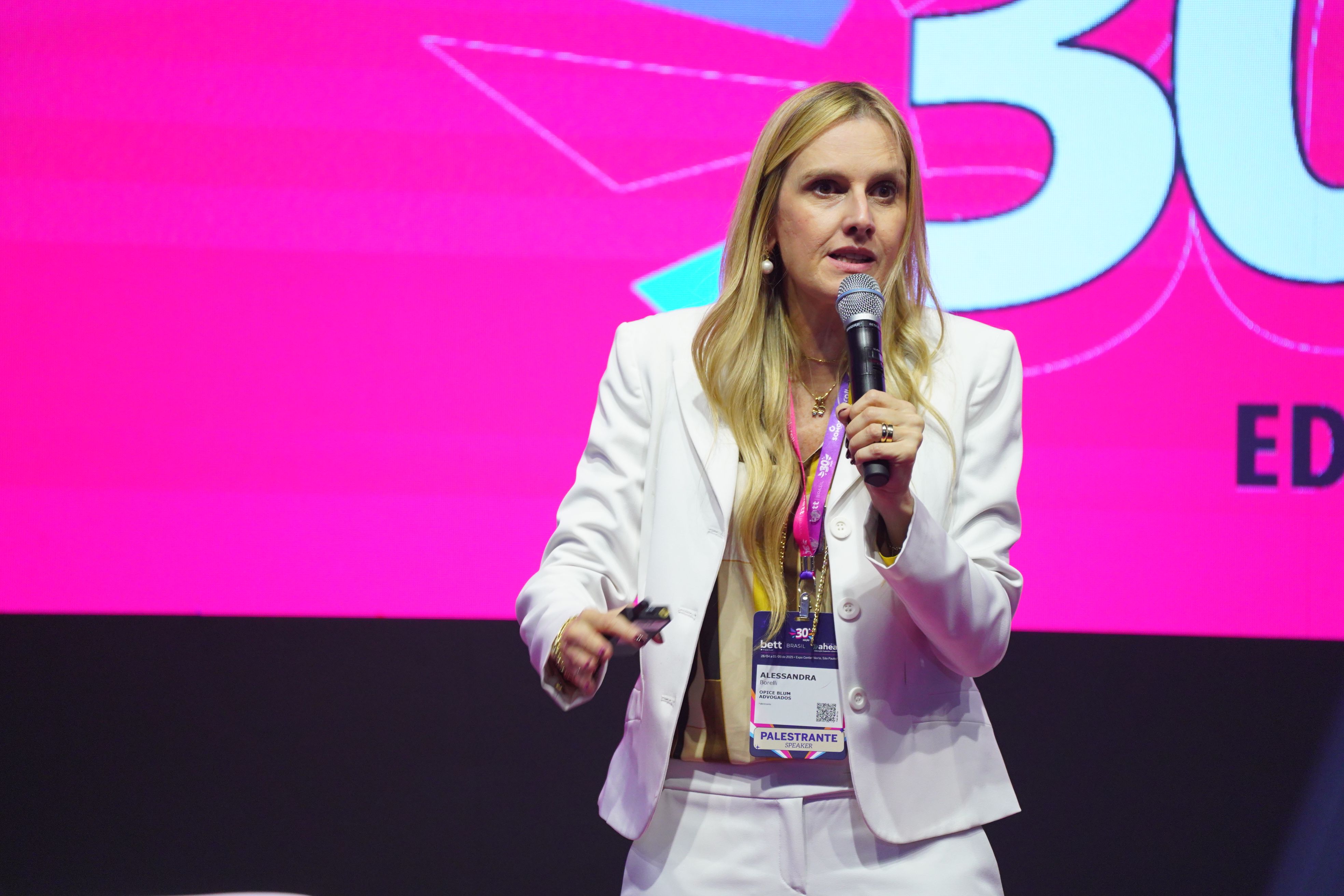
Alessandra also brought a neuroscientific perspective to the debate. According to her, constant screen use directly affects brain function, especially in children. “Dependence on these devices interferes with neurological connections. The brain undergoes a process called synaptic pruning, in which it eliminates less-used connections and strengthens the most frequent ones. This means that the habit of endlessly scrolling through screens alters attention patterns and makes it harder to stay focused on tasks in the classroom—even on simple tasks like reading a question with a longer prompt, for example.”
For this reason, the expert believes that cell-phone-free time in schools could create new paradigms and healthier experiences for cognitive development. “We’ll start to see the benefits of this soon—perhaps as early as next year,” she said.
To ensure a safe and effective transition, Alessandra advocated for educational institutions to adopt practical strategies. Among her suggestions is the creation of a digital coexistence protocol developed in collaboration with students, teachers, and families, with clear rules regarding the use of devices, social media, and messaging groups. She also proposed the implementation of continuing education programs for educators, offering micro-certifications in topics such as digital coexistence, digital ethics, and media literacy.
Finally, he emphasized the importance of having a school team specialized in digital security and ethics. “This team should include professionals from the legal and management fields, whose mission is to assess incidents, prevent crises, and analyze solutions from the perspective of data protection and institutional reputation,” he concluded.
Innovation in Higher Education: Flexibility and Technology Under Discussion
In a constantly changing world, higher education must be agile, responsive, and attuned to the demands of society and the job market. With this in mind, the panel “Rethinking Undergraduate Education: A Product-Centric Approach to Education” brought together experts to discuss how educational institutions can restructure their programs, curricula, and strategies using a product-centric mindset—one focused on the student experience and the value generated by the education.
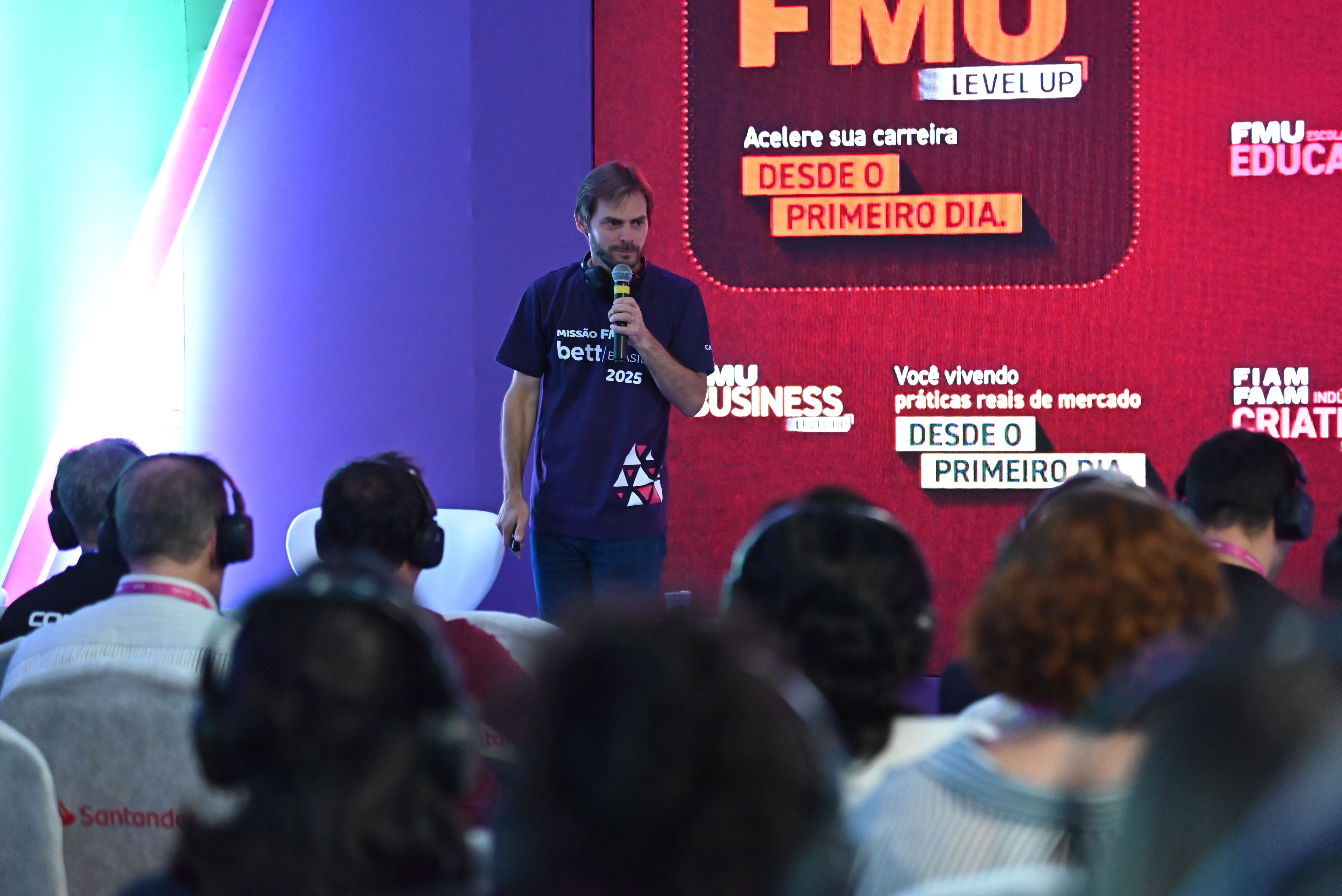
Featuring Jeferson Pandolfo, product manager and coordinator of the Systemic Management program at Hoper Educação; João Vianney, a partner at Hoper; and Ricardo Ponsirenas, president of the FMU and FIAM-FAAM university centers, the discussion called for a break from traditional models and the development of more flexible, attractive, and effective undergraduate programs. The discussion highlighted ways to innovate, increase student retention, and better address the challenges facing higher education in Brazil.
Pandolfo pointed out that Brazil is the second most connected country in the world and that Gen Z learns best through short videos and practical content. “They have a ‘maker’ mindset; they want to learn by doing,” Pandolfo explained.
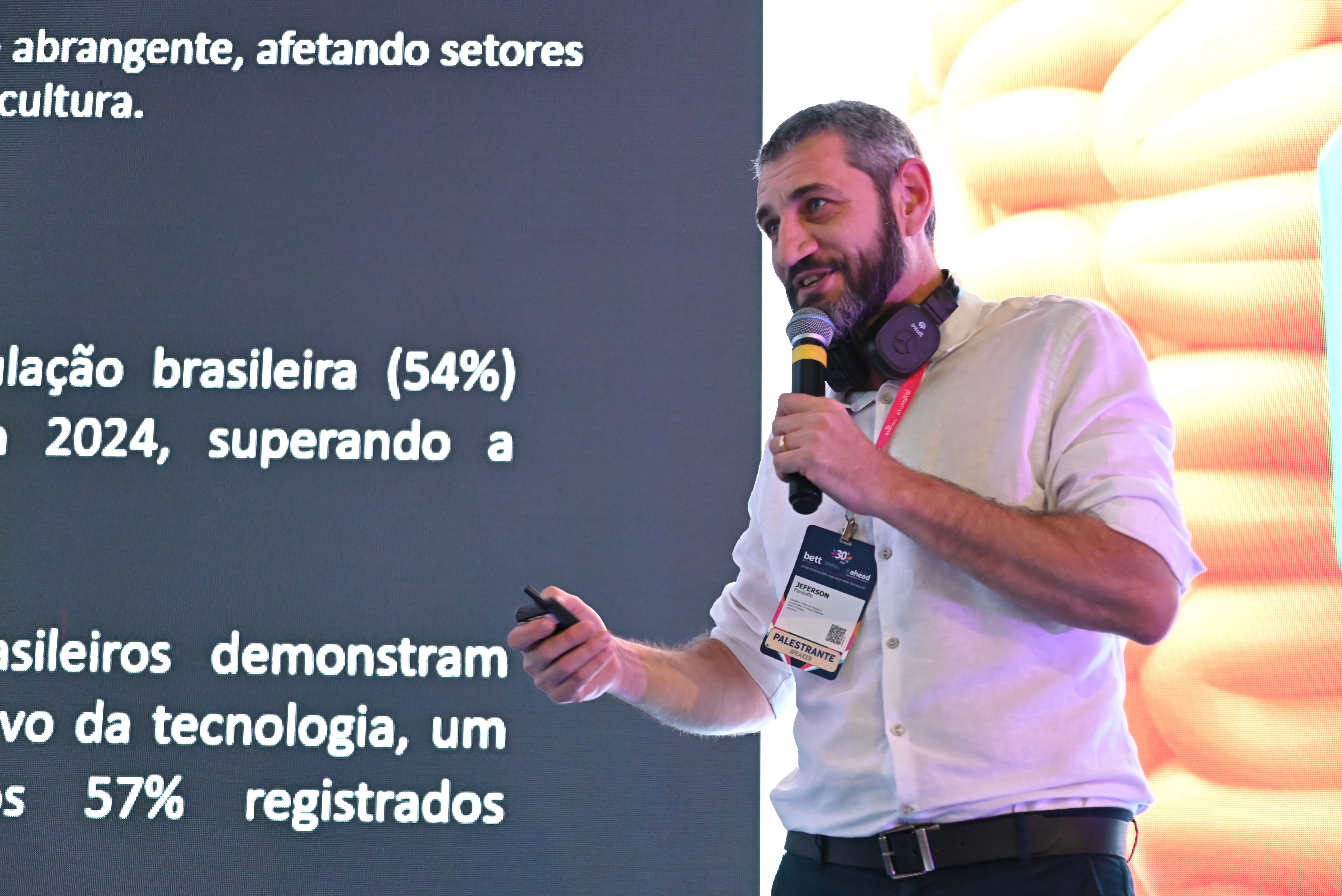
He also raised concerns about the impact of social media on education, noting that many young people prefer to pursue careers as digital influencers rather than invest in formal education. “Some look down on traditional education and say they want to be influencers rather than build a traditional professional career—that worries us,” he commented. He also advocated for the implementation of micro-certifications throughout the course, so that students feel valued from the start, without having to wait years to see results.
In addition, Pandolfo discussed the use of artificial intelligence in education, noting that the shortage of teachers could pave the way for AI-based classes. “There are already initiatives in China and the United Kingdom using AI and robots as teachers. We need to think long and hard about this—whether this is the future we want,” he said.
Ponsirenas shared his institutions' educational product development model, which focuses on creating a portfolio aligned with market needs and the aspirations of students who intend to enroll in college.
He also emphasized the importance of public research and workshops with faculty members to co-create solutions: “A product is a foreign concept in the academic world; it requires study, dedication, and commitment to ideas.”
Vianney, meanwhile, presented data that challenges the new regulatory framework for distance learning proposed by the federal government. “The MEC’s new regulations, which restrict the offering of distance learning courses, are based on arguments with no statistical basis; rather than promoting quality, they threaten educational inclusion, exacerbate regional inequalities, worsen the teacher shortage, and isolate Brazil academically from the international scene.” Vianney added that the MEC has been forcing a return to traditional, in-person education, even as the world undergoes technological transformation.
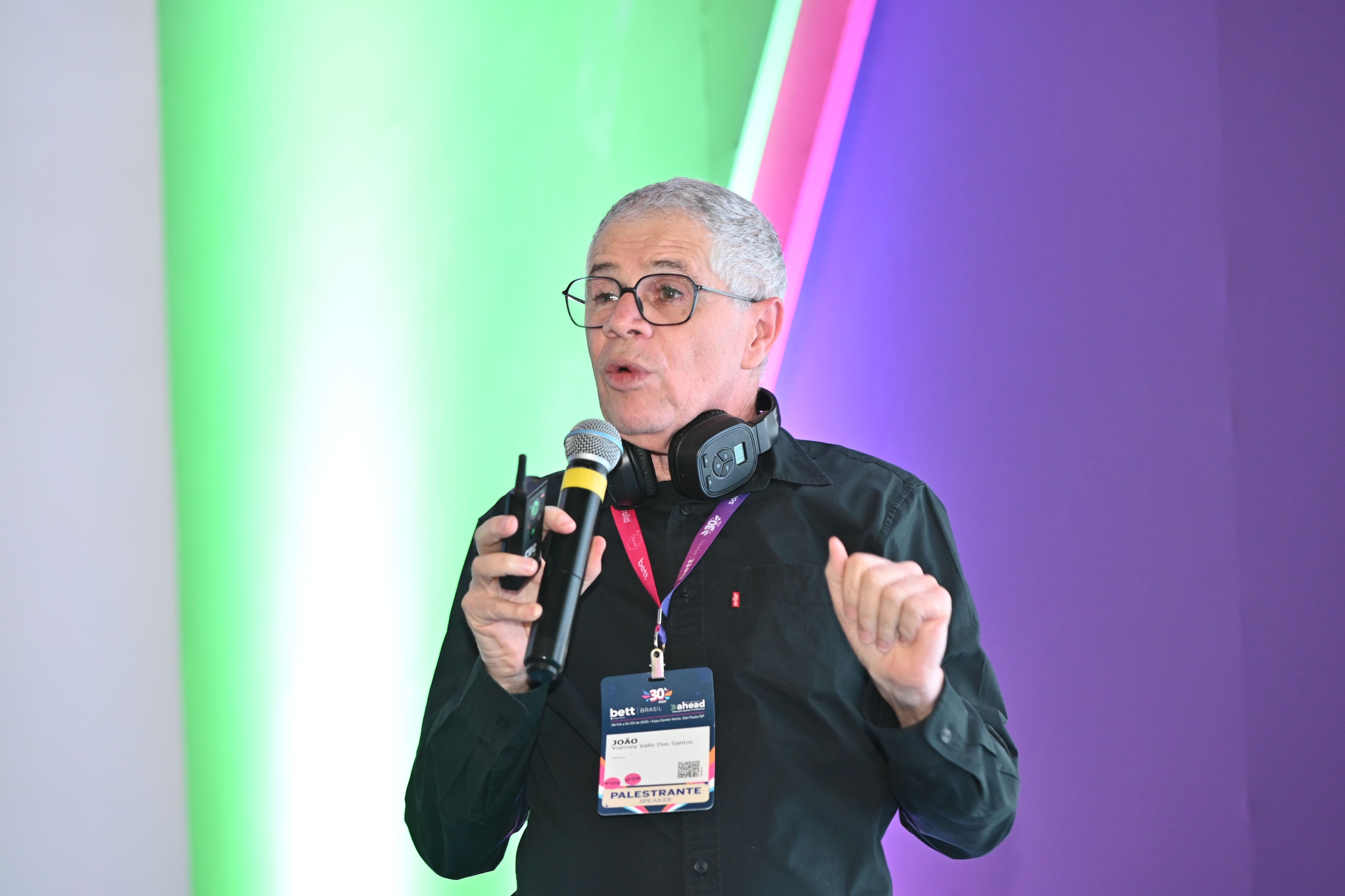
According to the panelist, official data from INEP show that, contrary to the position taken by the MEC, the expansion of teacher training through distance learning has not compromised the quality of basic education. “The IDEB score for the early grades rose steadily between 2005 and 2023—from 3.8 to 6 points—with only one decline in 2021, during the pandemic. During the same period, the proportion of teachers with a degree in education rose from 4.8% to 43%. The parallel trend in these indicators shows that there is no negative correlation between distance learning teacher training and academic performance,” he emphasized.
At the conclusion of the event, the panelist presented a manifesto in support of distance learning that has already garnered more than 13,000 signatures.
The experts agreed that the education market is becoming more competitive, requiring institutions to make an effort to attract and retain students. Pandolfo emphasized the importance of public policies on student loans, while Ponsirenas highlighted the need to understand the profile of new students in order to offer a more personalized and innovative education; however, both agree that this can only be achieved through technical studies and research.
Share on social media:
Categories
- The Future of Education
- Educational Management