

Learn how to implement Positive Education in schools
)
Thinking about education means reflecting on the best way to build healthier and more respectful relationships in school and at home.
How should we raise our children and educate our students? We need to recognize that every child, teenager, or young person is unique and has individual characteristics that deserve attention.
Is there a specific or better way to encourage parents and teachers in the task of educating?
Have you ever heard of an approach to education that is guided by principles such as mutual respect, fostering autonomy, and promoting good emotional health?
Positive education is an approach to human development that has gained prominence among families and educators. It emphasizes the use of empathy, nonviolent communication, and a balance between firmness and permissiveness in raising children, adolescents, and young adults.
See also:
- How Neuroscience Can Contribute to Education Today
- Learning Networks: The Challenge of the Contemporary World
- The Metaverse and Artificial Intelligence Are Transforming Education
The idea is to educate based on respect, empathy, setting a good example, kindness, and fostering independence, while still setting boundaries. It’s about helping our children and teens grow into kind, empathetic people who are happy with themselves. It involves encouraging good deeds, reaching agreements, and ensuring that agreements are followed through with affection and understanding.
Positive education is based on the following pillars:
- Dialogue;
- Establishing clear rules and the reasons behind them;
- Peaceful resolution of conflicts;
- Focus on what went right, not on what went wrong;
- Encouraging respect;
- Encouraging participation;
- Communicate firmly yet gently.
And what would be the benefits of this kind of work? Many , because positive education helps people grow up with greater self-esteem and a clearer understanding of freedom, responsibility, and respect.
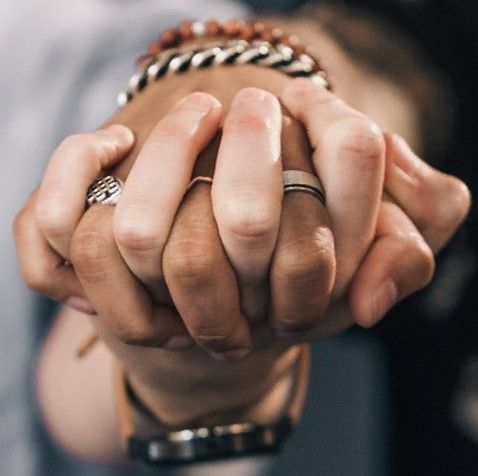
To apply positive education with students, you need to follow a certain process:
- Always engage in dialogue by truly listening to what students have to say. Explore the consequences of their actions, using mistakes as a learning opportunity. Never resort to yelling or punishment;
- Set realistic rules that are appropriate for the students' age group, because boundaries are important for discipline;
- Be firm and correct inappropriate behavior respectfully;
- Set an example by not doing to others what you would not want them to do to you;
- Encourage your students to think by asking questions, focusing on solutions rather than just the problem;
- Value students' efforts, affirm and acknowledge their strengths;
- Don't label people. Criticism should be based on actions, not the person;
- Take care of your self-esteem;
- Always act with respect, without instilling fear.
What about you? Do you apply the principles of positive education at your school?
About the author:
*This text does not necessarily reflect the opinion of Bett Brasil.
Share on social media:
Categories
- Educational Management