
Generations Z and Alpha challenge the logic of authority and the traditional classroom, warns Dado Schneider
)
In an age of artificial intelligence, hyperconnectivity, and social media as the primary source of information, understanding the behavior of younger generations has become an urgent task for educators and school administrators.
During the panel discussion “How Future Generations Will Consume Education,” held at the 30th edition of Bett Brasil, Dr. Dado Schneider—who holds a Ph.D. in Communication from PUCRS and is a professor and writer— Dado Schneider,promptedreflection on the role of schools and society in light of the unprecedented characteristics of Generations Z and Alpha —young people who were not only born with unlimited access to the internet but also no longer view authority figures in the same way that this perception was shaped in the last century.
For Schneider, we are facing a new era. “The 20th century was hierarchical: the rule was ‘those in power give orders, and those with common sense obey,’” he explained. In that model, authority lay in the hands of those who possessed knowledge, which was transmitted through single sources, such as broadcast television. “Knowledge came from above and was passed down by our elders. Today, the internet has shifted the balance of power. It has brought countless new sources of information, which are much more interesting and entertaining,” he added.
Generations Z and Alpha, he says, are natives of this new, horizontal world, in which the logic of hierarchy has been replaced by networking. A telling statistic cited by Schneider illustrates this transition well: “TikTok is already used more than Google as a source for searching for information by these generations.”
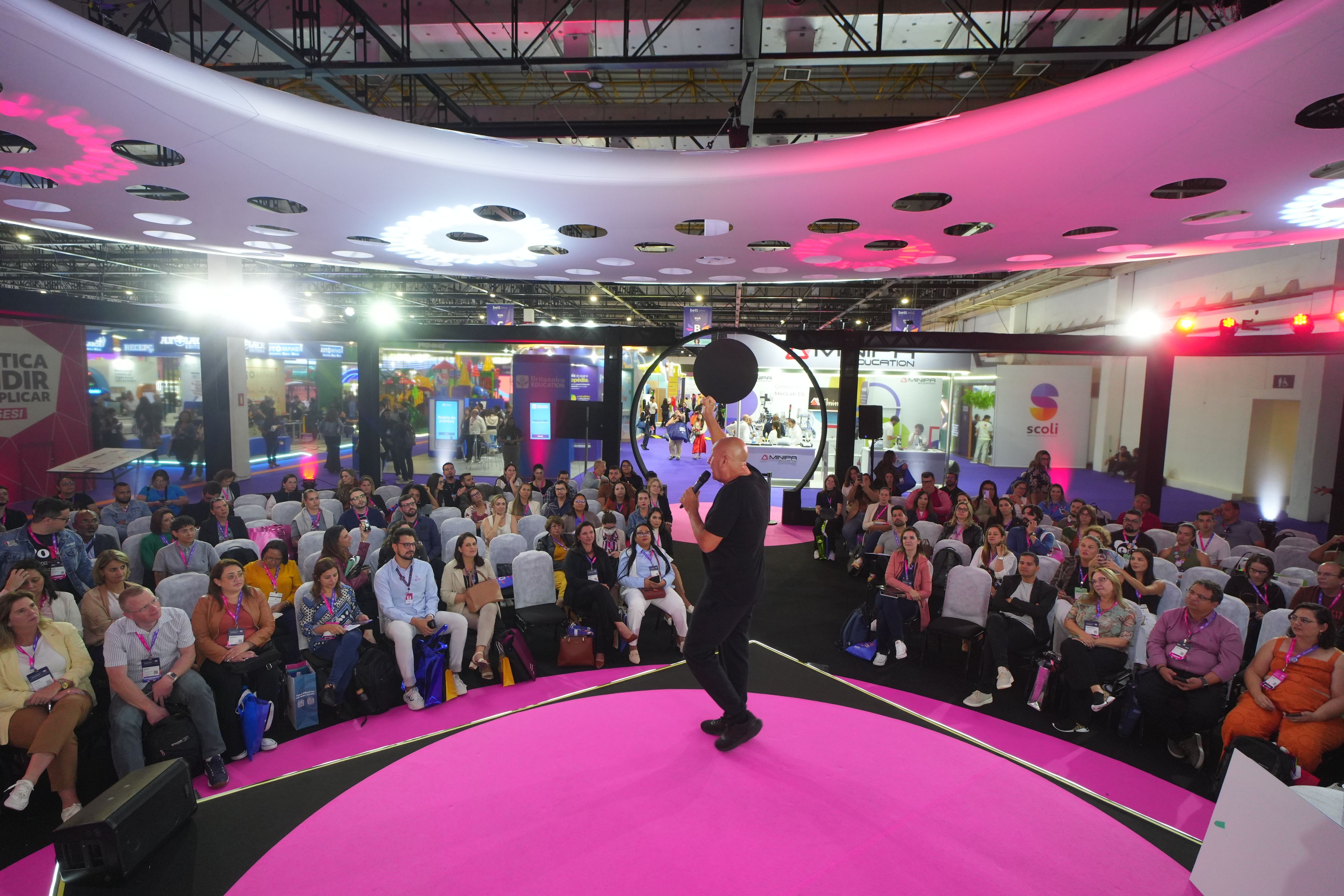
Dado Schneider was one of the speakers at the 30th edition of Bett Brasil. Photo: Bett Brasil
In addition, he pointed out that we are dealing with “unprecedented adults” —a generation that will live past 100 and that, at age 30, is still in its formative years. “We are living longer than our grandparents. Someone who is 30 today will live to be 120. In other words, at age 30, they have lived only 25% of their entire life,” he said, arguing that this new life cycle requires a new way of thinking about time, education, and work.
At school, the impacts are visible. According to Schneider, students enter classrooms—which often still rely on 19th-century structures and methods—coming from a world full of stimuli, screens, and interactivity. “These young people don’t recognize leadership or authority simply because someone is standing at the front of the classroom. The language needs to change. We’re a generation unlike any before, and we’ve never been confronted with so many different things at the same time. And what the internet has begun to shake up, artificial intelligence will amplify even further.”
The professor concluded with a thought-provoking statement: “We were raised in a vertical world, and we will live forever in a horizontal world. We are experiencing the adolescence of the future.” The message, though unsettling, is clear: educating for the present and the future requires more than just technology—it requires listening, adaptability, and the courage to reinvent traditional roles.
What will education look like in the future?
Educator Valesca Karsten, principal of the Caracol Early Childhood Education School, also shared during the panel a profound reflection on the transformative role of educators and how experiences during childhood directly impact students’ future choices.
“We don’t think much about it, but those who work in education have a superpower. Our emotional memories influence what we consume. I believe that when it comes to education, it will be no different,” he said.
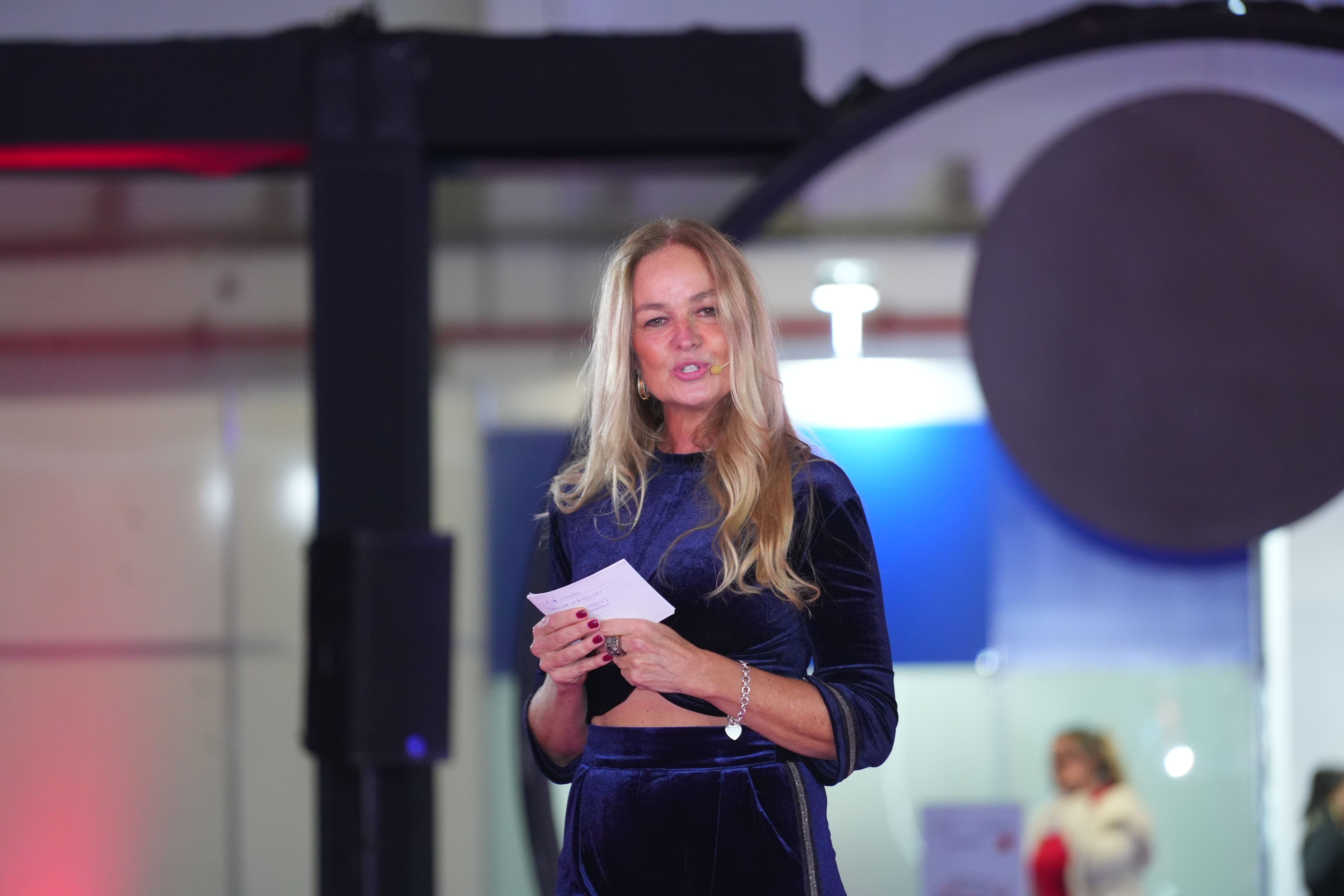
Educator Valesca Karsten during her panel appearance. Photo: Bett Brasil.
According to Valesca, both family and school experiences influence what these students will seek in the future—including in terms of knowledge. For her, the core of an educational institution lies in its staff and in its ability to listen attentively, especially to mothers. “A well-supported team is more attuned to itself, its surroundings, and the children, and will be better prepared to guide them,” she emphasized, further highlighting the school’s role as a true support network for families.
Valesca argued that preserving childhood—with its curiosity, knowledge, and creativity—should be a priority, while respecting children’s pace and language. “A child’s job is to play. The future of education depends on what we do for children today.”
Share on social media:
Categories
- Learning Strategies
- Innovation