

Bett Nordeste Conference Discusses Ethics in the Use of AI and Diversity in Education
)
The ethical challenges of artificial intelligence (AI) in education are gaining prominence as the use of this technology in the classroom becomes increasingly integrated into schools. At the Bett Nordeste Conference, a traveling event organized by Bett Brasil, considerations and implications regarding the use of AI in teaching practices were among the key topics discussed in the event’s series of panels and lectures.
Alessandra Borelli, a partner at Opice Blum Advogados; Ingrid Soares, an attorney at the law firm Mattos Filho; and Jéssica Campos, an analyst at CESAR School Educational Solutions, participated in this discussion on the relationship between ethics and AI in education.
For Alessandra, it is essential to respect privacy and data protection when using AI-based technologies in an educational setting. "We must ensure that AI-based technologies respect students' privacy by collecting only the necessary data and storing it securely, in compliance with the General Data Protection Law (LGPD)," she said.
She emphasized that institutions and companies must be transparent about the collection, processing, and use of student data. “Clearly explaining the technology’s capabilities and the associated risks is crucial to building trust with students and families,” said Alessandra. In addition, implementing rigorous security measures to protect student information from leaks and attacks is an essential step. “The selection of AI tools must take into account these technologies’ ability to keep data secure,” she added.
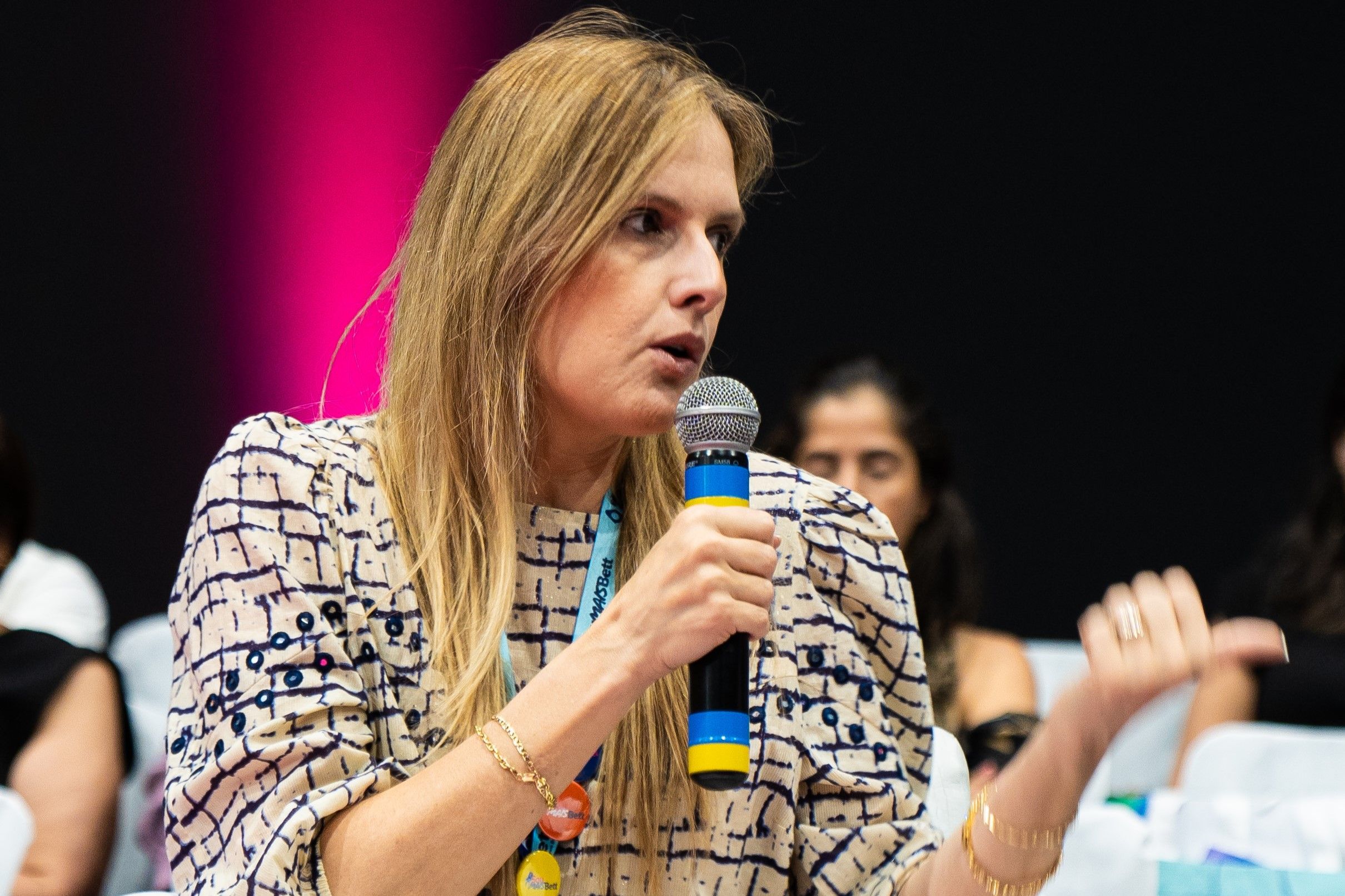
The partner at Opice Blum Advogados also warned about the risks of bias in AI solutions that could negatively affect certain groups of students by reinforcing stereotypes or promoting discrimination. “Educators must be mindful to use technologies that are fair and inclusive,” she emphasized.
Alessandra also emphasized that AI should serve to complement, not replace, the role of the teacher. “It is important to reflect on the impact of AI on pedagogical decisions and ensure that teachers’ autonomy is preserved,” she said. Alessandra emphasized the need for schools not only to protect student data but also to teach the ethical and responsible use of AI tools. “It is essential to promote the development of critical and mindful digital skills among students,” she concluded.
Still on the topic of AI in education, Marcela Valença, Superintendent of Education and Innovation at the Porto Digital Management Center, spoke about the complexity of balancing the growing demand for the use of emerging technologies with the development of social-emotional skills among children and adolescents in the school setting.
Marcela participated in the panel discussion “Basic Education Graduates: Are They Ready for the Challenges of AI and IE?” alongside Rosana de Moura Costa, an educational solutions analyst at CESAR School, and Evellyn Carolyne Gomes da Silva, a student at the Porto Digital Technology Residency.
"We are living in an increasingly complex world, with artificial intelligence growing exponentially, and we still don't know exactly how to integrate it into education," said Marcela. She believes the starting point should be to place the student at the center of the educational process. “We need to listen to students, understand which platforms they’re using, and explore ways of interacting so that we can integrate the individual and the collective, allowing them to develop together,” said the superintendent.

She emphasized the importance of teaching not only how to use technological tools, but also essential skills such as teamwork, resilience, and preparation for the job market. “It is essential that students learn to deal with rejection and to work in multidisciplinary teams,” she added.
Marcela stressed the urgent need for a revolution in education. "If we don't act now—and we're already behind—we're going to lose. We're a peripheral country in the world, and we need to view education and artificial intelligence as tools to help our students improve," she emphasized.
The Superintendent of Education and Innovation at the Porto Digital Management Center also highlighted the importance of teaching students to master artificial intelligence while balancing mental, behavioral, and social aspects. “We are becoming increasingly disconnected from these areas, and it is crucial that we find ways to integrate all of this into platforms that promote collective learning. If we don’t teach our students ‘how to learn,’ we are doomed to failure,” she said. The conference also brought together key players in the education sector to present their solutions, products, and services to the public.
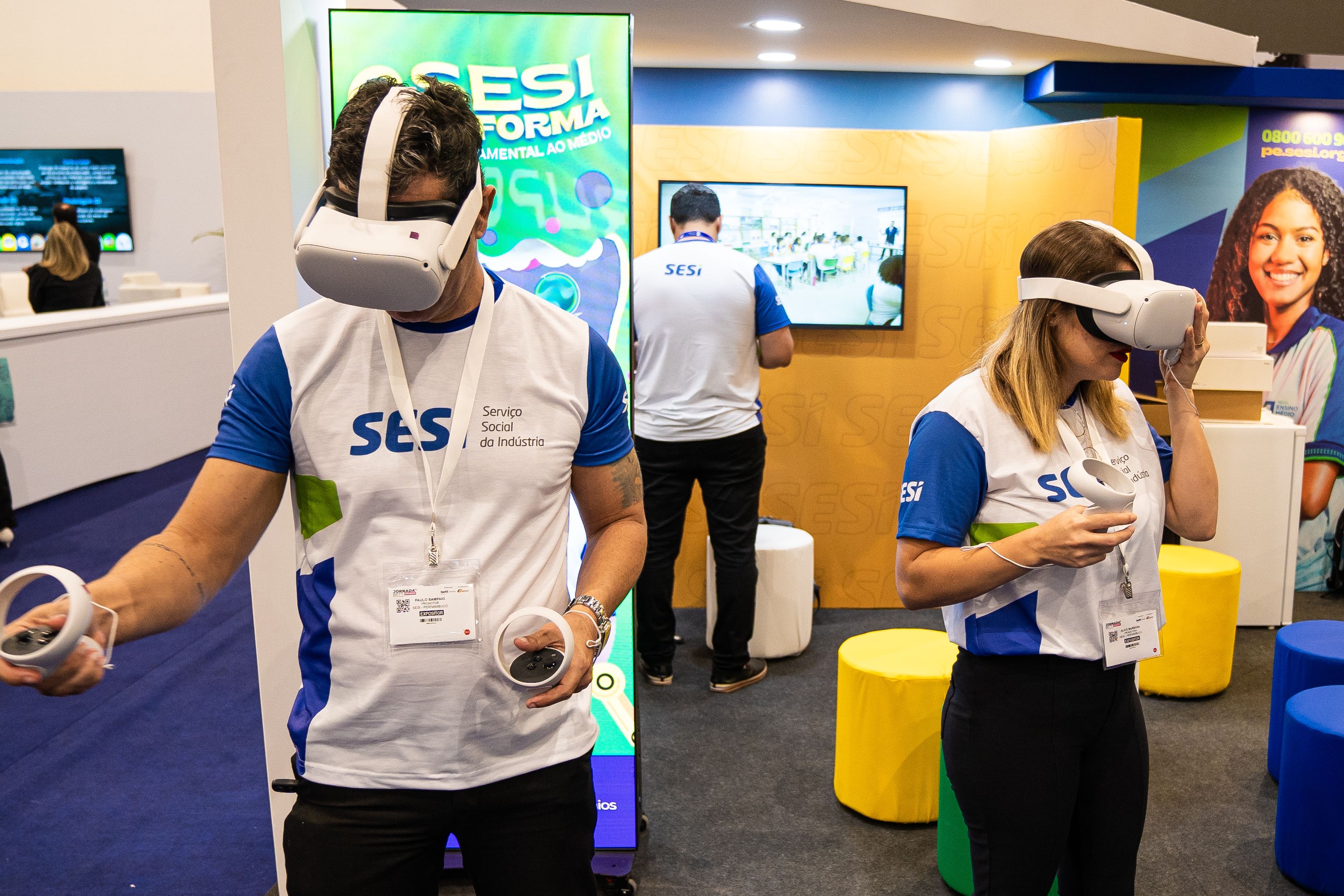

Education for Diversity: A Place for Everyone in an Inclusive World
Another key theme on the first day of the Bett Nordeste Conference was Education for Inclusion and Diversity. Amid both advances and challenges, schools are increasingly committed to promoting inclusion and diversity within their institutions. However, experts point out that, despite the progress made, there is still a long way to go before diversity is fully integrated into teaching practices.
"Schools are, in fact, more open to promoting inclusion, both in terms of institutional policies and pedagogical practices," said Professor Doug Alvoroçado, who works in the public school system in Rio de Janeiro. He highlights the growing recognition of the importance of creating school environments that welcome all students, regardless of their physical, intellectual, cultural, or social characteristics.
Alvoroçado points out, however, that the process of inclusion still faces many challenges. “Despite good intentions and inclusive educational policies, many schools still encounter difficulties in implementing these practices effectively,” he noted. Among the main obstacles, he mentioned the lack of adequate training for teachers, the scarcity of accessible teaching materials, and cultural resistance present in some school communities.
Teacher training is also highlighted by Nadine Heisler, director of the Domlexia Institute, as one of the key areas for making progress on this issue. “Training teachers for inclusive practices is not just about teaching specific techniques or methodologies. We’re not talking about a formula, but about a shift in perspective,” she said. Nadine emphasizes that educators need to realize that all students—whether in special education or general education—have different learning styles and their own unique challenges. “We need to look at them with a watchful and caring eye, with affection. Because it is through this perspective and understanding of each student that we can truly foster genuine inclusion,” she explained.

In her view, training focused on inclusion and diversity should not be a one-time event, but rather ongoing and practice-oriented. "Teachers need to rethink their practices and reflect during these training sessions so that they can act differently in their day-to-day classroom work," said the director of the Domlexia Institute. She concludes that the focus should be on how these training sessions translate into daily practice, enabling educators to learn how to effectively include all students.
Alvoroçado emphasizes that inclusion goes beyond the mere physical presence of students with special needs or from different backgrounds in the classroom. “It involves ensuring that everyone has equal access to learning, which requires curricular adaptations, diverse teaching methods, and a school culture that values differences and promotes equity,” he explained.
While acknowledging that the current situation is more positive than in past decades—with greater awareness and ongoing efforts to improve inclusion—the professor warns that “there is still a long way to go.” He states that schools must continue to evolve and commit to ongoing initiatives to ensure that education is truly inclusive and accessible to all. “The change is visible and real, but it still requires commitment and ongoing action from all stakeholders involved in the educational process,” he concluded.
Professor Doug, who is also a specialist in Specialized Educational Services (AEE) and the founder of the company Olhares Educação Inclusiva, and Nadine participated together in the panel “Education for Diversity: A Place for Everyone in an Inclusive World,” which also featured Danilo Lopez Martinez, an analyst at Sebrae PE.
Technical visit
In this third edition of the Bett Nordeste Conference, a new initiative is the guided technical tours of educational institutions in Recife for conference attendees. On Wednesday (4), the tour took place at the Vila Aprendiz school, which specializes in early childhood education.
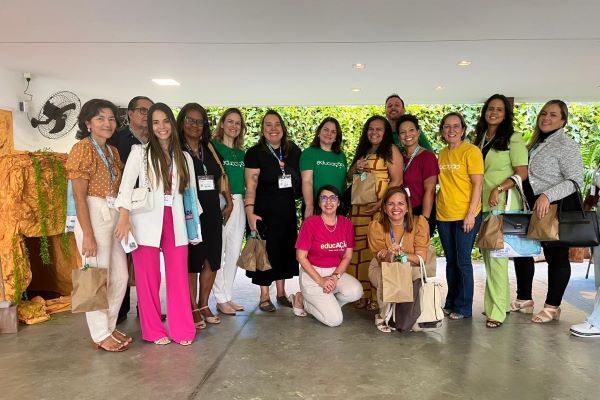
"The technical visit is a great opportunity for exchange. We were able to showcase our projects in action and also see that, just as we have been inspired over the past 15 years, we too can serve as an inspiration to transform a school that simply provides answers into one that promotes an inquiry-based education," said Paula Carneiro Leão, principal of Escola Vila Aprendiz.
At the school, participants were able to tour the facilities and learn about the educational approach, with a particular focus on the classrooms organized by grade level to facilitate active and emotional learning. The next scheduled technical visit is to Porto Digital, one of Brazil’s leading technology parks and innovation hubs.
Share on social media:
Categories
- The Future of Education