
Bett Nordeste Conference Concludes with Record Attendance and Discussions on the Future of Education
)
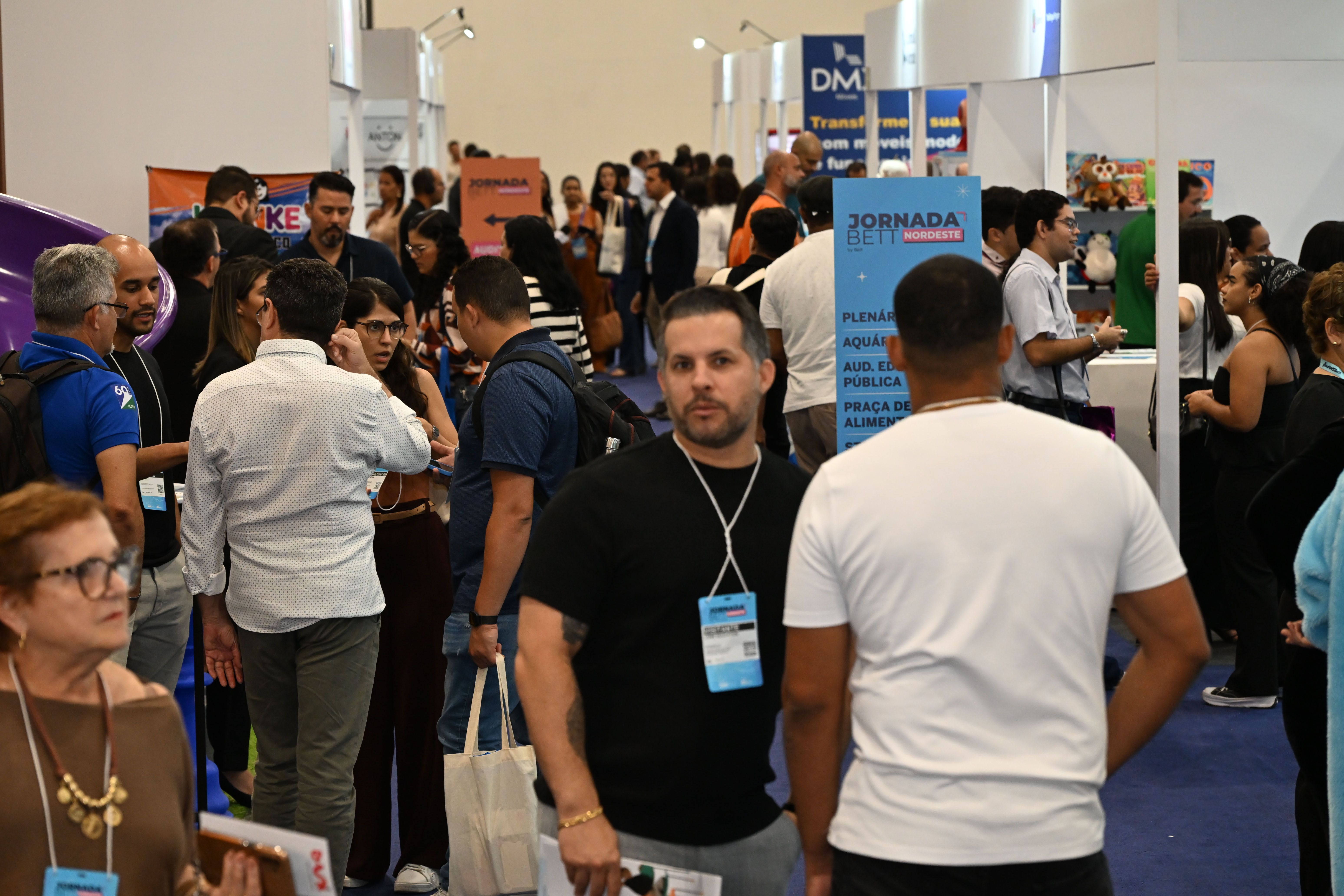
The 4th edition of the Bett Nordeste Conference, organized by Bett Brasil in partnership with Sinepe-PE, set a new attendance record, bringing together more than 2,200 participants on August 27 and 28 at the Recife Expo Center in Recife (PE). Considered one of the largest education conferences in the region, the event was attended by educators, principals, administrators, and experts to discuss topics such as innovation, equity, and the future of education.
Over the course of the two days, visitors had the opportunity to explore more than 40 exhibiting companies, which showcased educational products, solutions, and innovations. The program also featured more than 60 speakers and over 20 hours of content, spread across three concurrent auditoriums, and centered around the theme “A New Approach to Learning to Build Regenerative Futures.”
The lecture “Social-Emotional Well-Being Is Health: What Does School Have to Do with It?”, part of the Care track, was moderated by Professor Ricardo Rico of the Dom Bosco State Technical School, featuring physician, educator, writer, and television host Jairo Bouer; and Rafaella Cursino, a psychologist at Colégio Apoio and professor at the Pernambuco School of Health.
At the same time, the topic “A Safe Environment for Learning: The Role of Emotional Connection in Education, ” from the “Social Interaction” track, was discussed with psychologist André Daconti Menezes and humanities professor Márcio Krauss. Both discussed ways to address the socio-emotional aspect in school settings, highlighting the importance of a welcoming and systemic approach toward students and professionals.
Psychiatrist Jairo Bauer emphasized that, in a society marked by haste, pressure, and excessive demands, the emotional impacts directly affect the younger generations, causing insecurity, anxiety, and difficulties in social interactions.
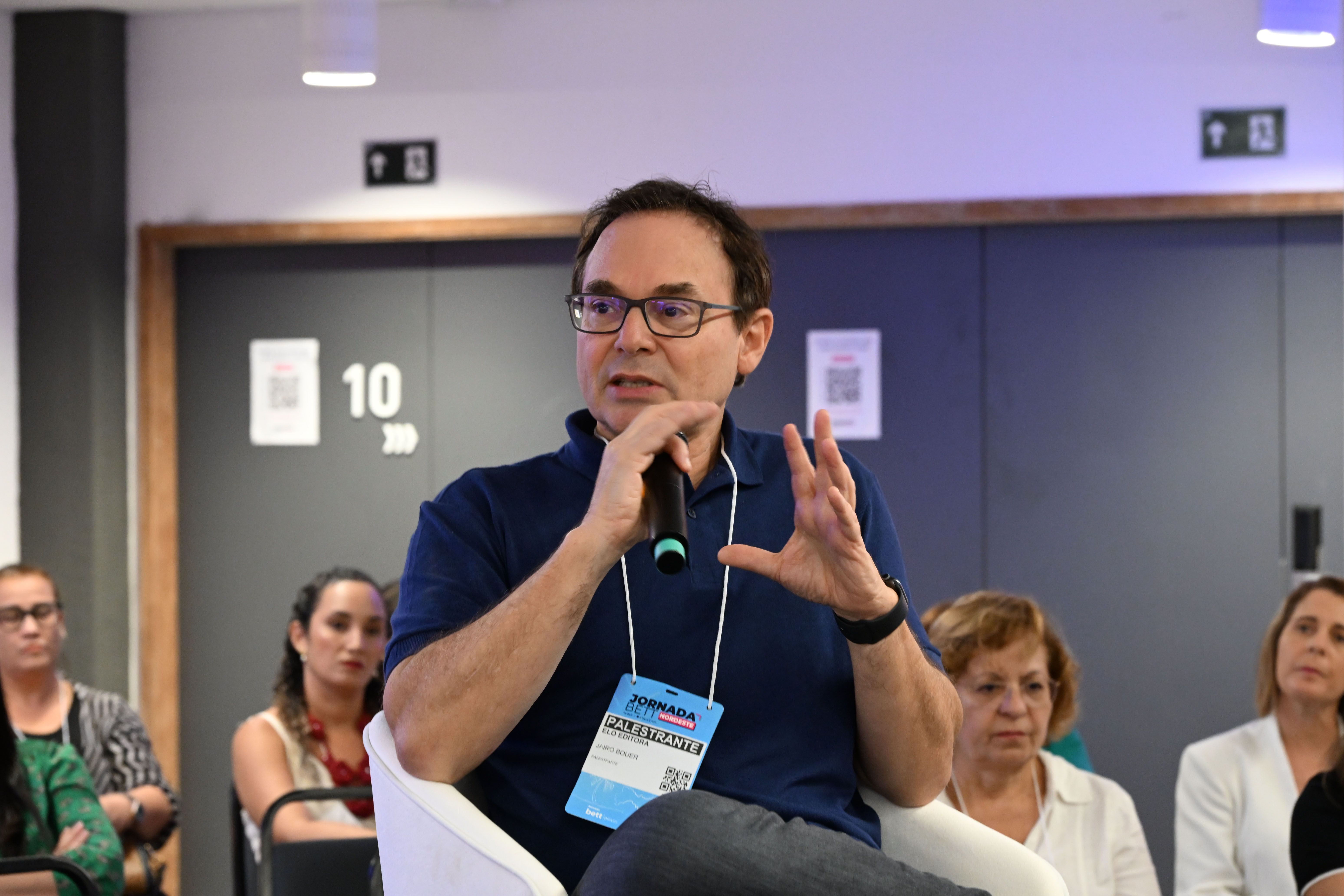
“We need to work on active listening, empathy, and strategies that help students cope with their emotions. We spend a lot of time on our appearance, but very little on our emotions. How often do you stop and ask yourself: How am I feeling today? If I’m not feeling well, how many days has it been, and why? That’s the first step toward taking care of our mental health,” she said Bauer.
"First and foremost, you need to know who you are in order to build a genuine relationship with others. It is essential to listen, provide a democratic space, and understand the reality around us. When we are healthy, we can do things effectively, with a balanced and constructive attitude. We need to build bridges, mediate conflicts, and take social-emotional development seriously—including by involving parents in this process. The educational environment should be welcoming for both students and educators. We need to take a systemic and human-centered approach, because a system with unwell professionals creates unwell individuals,” says Krauss.
Rodrigo Torres, deputy secretary and executive superintendent of SEDUC/PI, highlighted the “Piauí Case Study: Educational and Technological Super-Collision” from the “Consciousness” track, presenting initiatives that combine technology, inclusion, and skills development for the future. “Robotics education is offered in 150 schools, featuring digital platforms for English and programming, technical courses in systems development, digital marketing, and audiovisual production, as well as support for academic competitions and tutoring programs. We have modernized our infrastructure, connectivity, and data governance to make these initiatives possible,” he noted.
The lecture “Has Public Education ALREADY MISSED THE BOAT on Artificial Intelligence?,” held as part of the Consciousness track, offered insights into how AI is impacting education and what steps should be taken to ensure that public schools do not fall behind.
Luciano Meira, Innovation Coordinator and professor at Proz Educação/UFPE; Tanci Simões, senior educational analyst at Cesar School; and Alexandre Schneider, professor at FGV, discussed the need to rethink teaching practices, curricula, and assessment methods in a context where artificial intelligence is not merely a tool but a new cognitive paradigm.
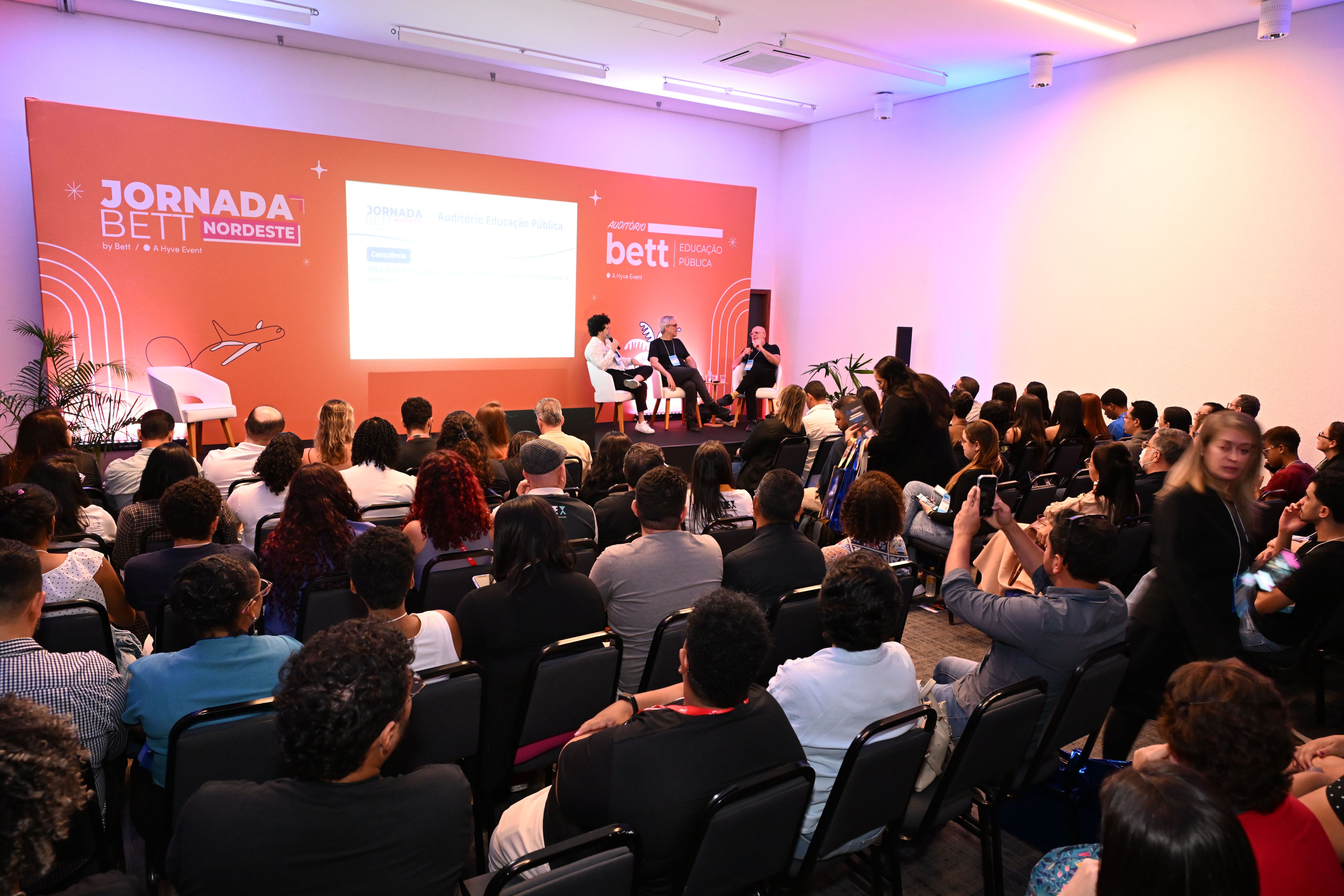
“The adoption of AI requires pedagogical intent, teacher training, and profound changes in the way we teach and learn, so that schools can prepare students for both traditional assessments and the job market,” concluded Luciano Meira.
During the “There’s Room for Everyone in the World” panel, part of the “Coexistence” track, Raquel Camara Cabral —an unconventional mother and social media influencer— shared her experiences with her son Marcello, who has Down syndrome, a journey she documents for her more than 880,000 Instagram followers.
Through this network, she encourages reflection on respect for differences and the importance of seeing the person before the disability, valuing potential with kindness, empathy, and affection. “Inclusion is not a favor; it’s a right. When we understand this, we can build a world where everyone fits in and is seen for who they are, not for their limitations,” Raquel emphasized. Her remarks inspired families and educators to rethink the role of schools and society in creating truly inclusive spaces, where coexistence, a sense of belonging, and active listening are at the center.
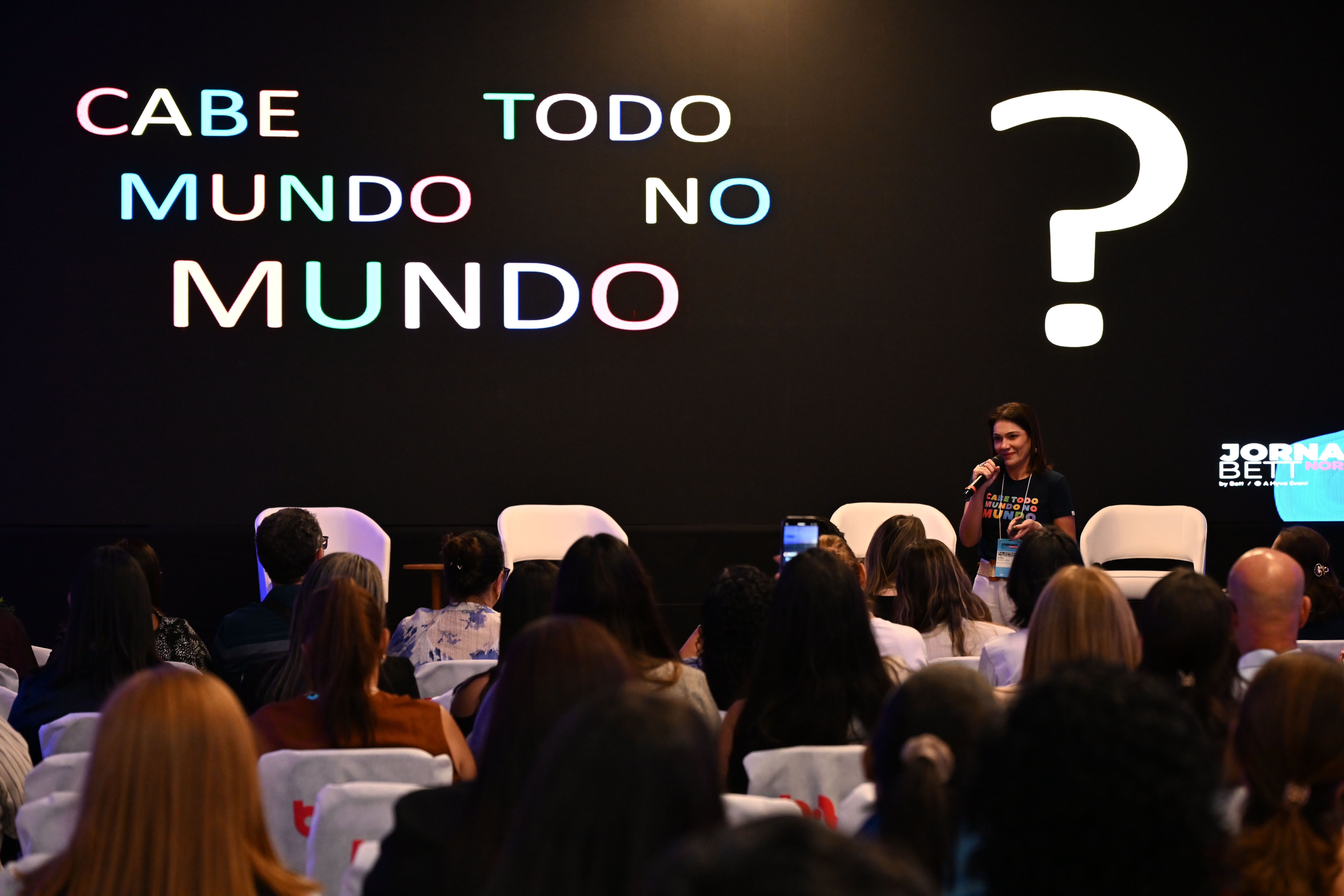
The lecture was also attended by the T21 Pernambuco group, represented by its founder, Isabelle Mendonça. “The lecture was wonderful and provided tremendous representation. It’s very important for us to be heard and to be part of the bigger picture, because inclusion in education is still a major challenge. Events like this raise awareness, promote diversity, and help people understand the real needs of families,” Isabelle emphasized.
One of the final discussions of the day was “Money in School: How to Talk About Financial Education in a Way That Makes Sense?” from the “Awareness” track, moderated by Nicollas Freitas, coordinator of educational projects and solutions at Cesar School, and financial expert and educator Malu Lira, who emphasized the importance of addressing the issue in a playful and meaningful way, connecting the content to the students’ reality.
“Storytelling is a powerful strategy for making learning more accessible and engaging. I believe the best way to teach is always through stories; in my teaching program, we make extensive use of play and the arts. So, we take fairy tales and transform them into ‘millionaire tales,’ like Little Red Riding Hood, who learns how to get out of debt. Money shouldn’t be seen as either a villain or a hero, but as a resource that helps each student become the protagonist of their own life and achieve their dreams,” Malu explained.
Adriana Martinelli, content director at Bett Brasil, highlighted the event’s importance in bringing innovation and educational practices closer to the local context through discussions on artificial intelligence, inclusion, and diversity, in addition to the strong presence of public education with topics focused on management and leadership. “The event is an opportunity to connect professionals, promote debates, and present solutions that directly impact education. This conference is held precisely so that we can bring people together, foster connections, facilitate learning, and spark innovation and new discussions,” she said.
The event sparked fundamental reflections on ways to transform education in the face of current challenges, offering practical insights and strategies to boost learning. Participation in the Bett Nordeste Conference was marked by learning and the exchange of experiences, as highlighted by conference attendee Rodrigo Pimentel, a school psychologist at Colégio Contato in Maceió. “I think it was a very good experience. We had insightful presentations, a close rapport with the speakers—which doesn’t always happen at other events—and a commitment to theoretical foundations. The schedule was light, with short activities; it was well-organized and ran on time. If the opportunity arises in the coming years, we’ll be there too,” he said.
The Bett Nordeste Conference was supported by several companies that are transforming the education sector in Brazil. Among them is B.Uni, a fintech company from the Ser Educacional Group approved by the Central Bank, which offers financial solutions aimed at the development of schools and their supply chain. Fluencypass, an edtech company specializing in the full spectrum of English fluency, serves both institutions and the general public. The Elo Editora Group reinforces the importance of inclusion by bringing children’s and young adult literature to all regions of the country. Multitude, an educational system launched at this year’s Bett Brasil, aims to engage students with a practical and easy-to-implement approach. Somos, Brazil’s largest basic education company, contributes a robust portfolio of publishing imprints. Systemic expands access to bilingual education in public and private schools by offering pedagogical support, teacher training, materials, and digital platforms. Meanwhile, Faculdade Cruzeiro do Sul is present with its renowned tradition in higher education, reinforcing its commitment to quality education at all levels.
Share on social media:
Categories
- The Future of Education
- Innovation