

Student-centered learning is the path to the New High School
)
Among the many panels and debates, the 29th edition of Bett Brasil—Latin America’s largest event on innovation and technology in education—featured a roundtable discussion on a topic that has been the subject of much debate in education: the New High School System.
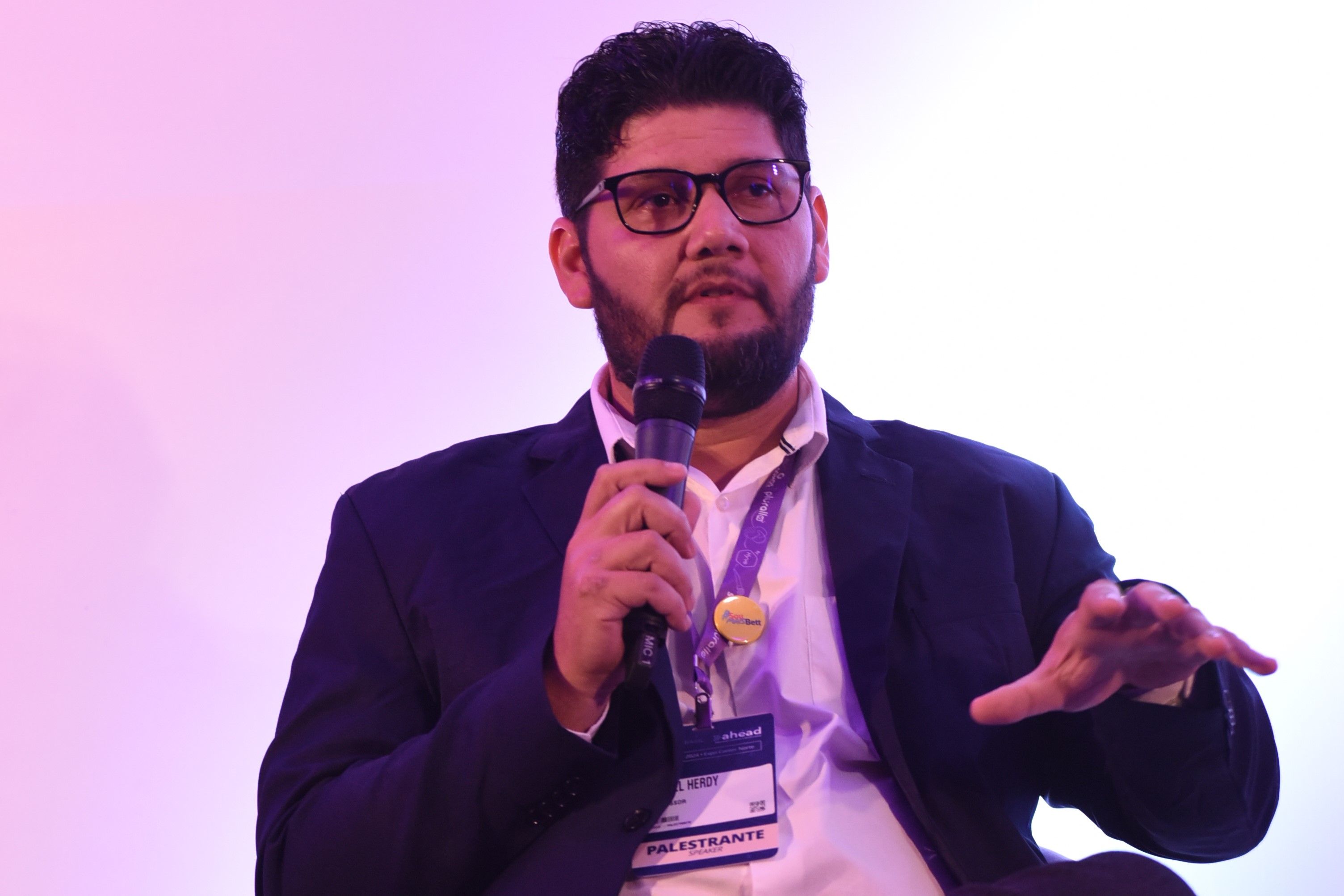
Hélio Daher, Secretary of State for Education in Mato Grosso do Sul, and Rafael Herdy, a teacher from Pará, were interviewed by journalist Karla Dunder, assistant editor at UOL, during a panel discussion on the topic: “What Should We Say About the New High School Curriculum?”
Speaking about how to address the reality of the impact caused by this controversial educational model, Herdy was emphatic in stating that the system has its flaws and its strengths, but that the current situation and the lessons learned present an opportunity to rebuild the methodology.
“The New High School program is very interesting, with its option for educational pathways, but we encountered problems implementing it throughout Brazil. The states had a very hard time adapting, and teachers also struggled to understand this concept. However, we are now at a new juncture—a different moment—in which we have already tested the system, identified the problems, and have a new opportunity to transform the future of our children and young people by making the new high school system more flexible,” he emphasized.
Student Leadership
Daher noted that the Brazilian high school system has been undergoing reform and, over time, has been revised as a necessary measure, since many students drop out of school due to a lack of interest.
“Today, young people want high school to connect with the world they live in—especially in terms of the pace, needs, and communication skills that students experience. If we don’t do this, we will fail as administrators and see many young people dropping out of school, because many of them believe that school doesn’t make sense and give up on their studies. As long as we have the high dropout rates that Brazil currently faces, high school education needs to be reevaluated and reimagined,” the secretary emphasized.
And, in his view, regardless of political considerations, the New High School System has its strengths and weaknesses, and flexibility is a path of no return. “We need to build on what has worked and eliminate what isn’t working. For example, increasing the number of hours for basic general education and introducing flexibility are essential. But, on the other hand, the Enem still isn’t aligned with this proposal, and that causes uncertainty among young people and their families about what the future will hold,” the secretary believes.


Teacher Training
In addition, Daher noted that teacher training is a very relevant issue in this regard, since educators often have to teach using the information-based approach without having received specific training, which also causes them to feel insecure.
However, part of the challenge in improving high school education also lies in administrative issues, such as teacher payroll, school meals, and public transportation, among others. “There is an infrastructure—one that no one notices—but which underpins the effort to keep students in school. And it needs to be rethought and funded so that we can truly provide a high school education that makes sense for students.”
Finally, Professor Herdy emphasized that the new model is very positive, particularly with the inclusion of flexibility and innovative teaching methods. “The training pathways provide an excellent opportunity for schools and teachers to develop active, innovative, and engaging methodologies for students, which can also be implemented within the general basic education curriculum. In this way, we foster greater student agency, so that students will be more drawn to schools and will want to be part of the school environment,” he concluded.
Share on social media:
Categories
- The Future of Education