
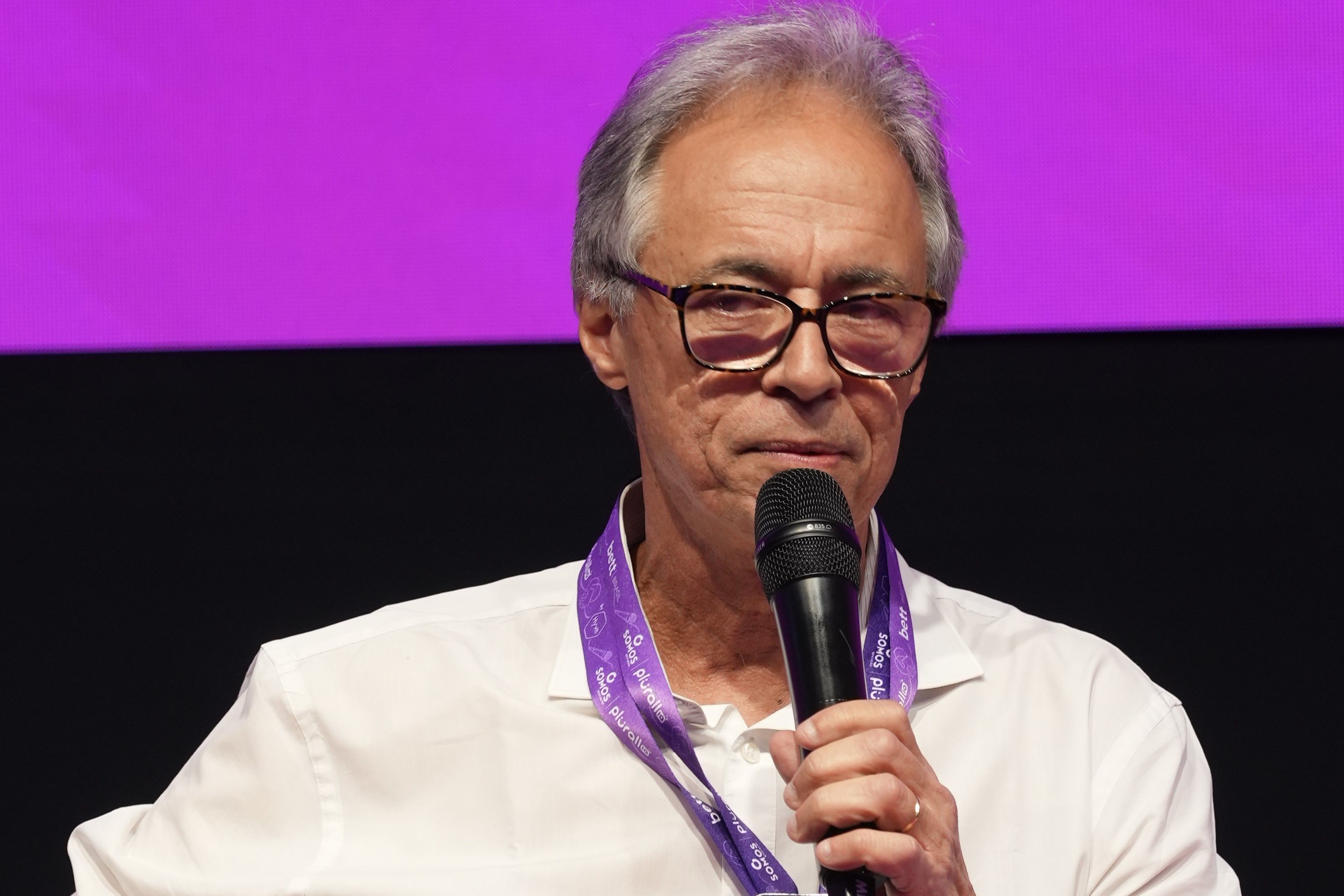
"We have to teach students to think for themselves and to collaborate," says Cláudia Costin
)
The 29th edition of Bett Brasil, Latin America’s largest event on Innovation and Technology in Education, hosted the panel “Perspectives on Education: How to Achieve Equity with Quality?”, which featured Cláudia Costin, president of the Singularidades Institute; Maria Helena Guimarães, holder of the IAS-IEA/USP Chair and member of Abave’s Scientific Council; and Raquel Souza, research and evaluation coordinator at the Unibanco Institute.
The roundtable discussion, moderated by Professor Mozart Neves, addressed the challenges facing Brazil’s education system, but from the perspective of equality and quality in the teaching-and-learning process.
“Brazil is a garden of inequalities. If we look at socioeconomic, racial, and governance factors, we often find two municipalities that are very close to each other but with a GDP difference of threefold. However, the one with the lower GDP may have better school performance. So, we face several challenges when considering the issue of equity,” Mozart emphasized.
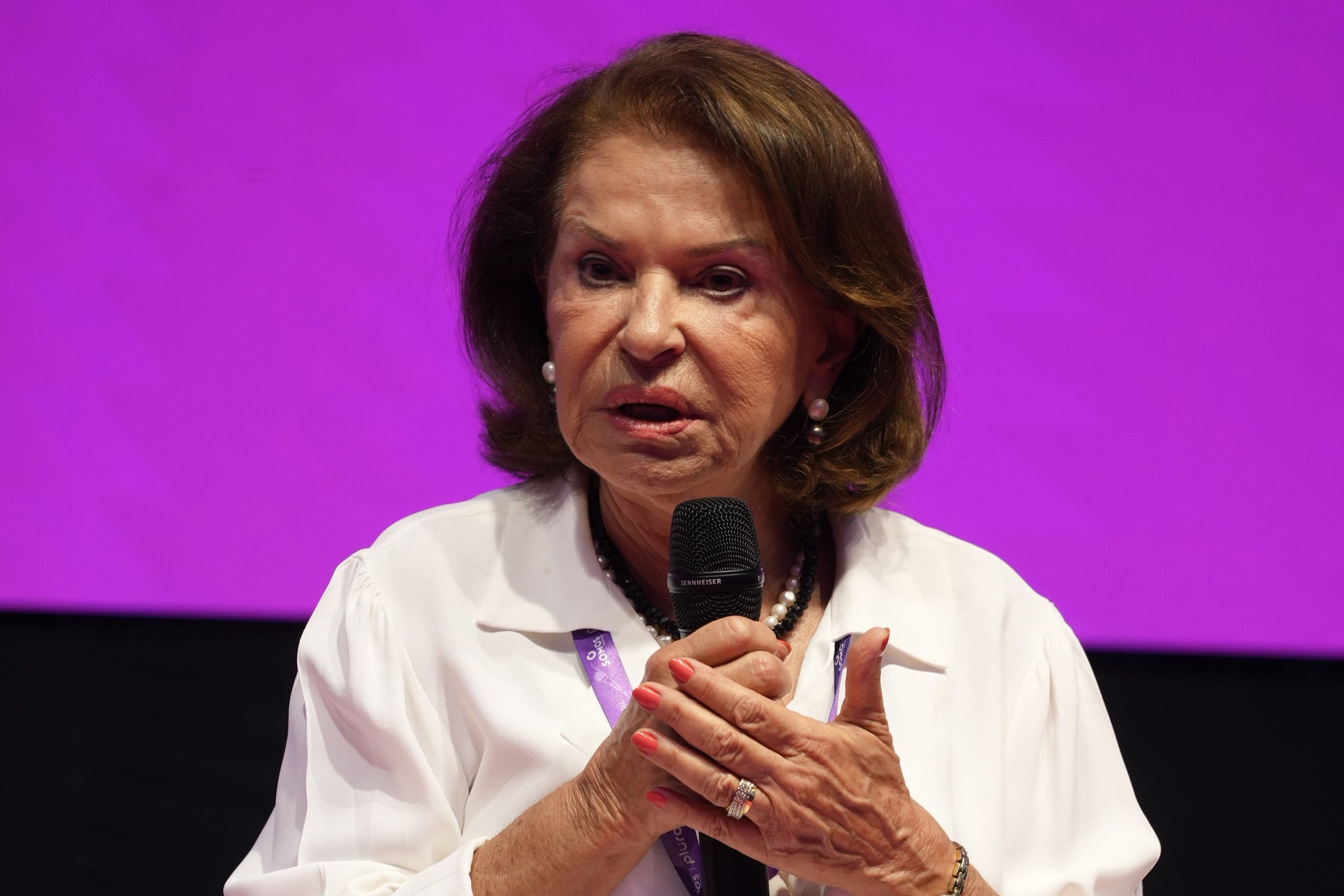
Maria Helena, for her part, emphasized that an individualized approach to students is essential, as is the creation of a well-developed plan. In her view, inequality in Brazil was already very high before the pandemic, but it has deepened; and for any policy to achieve greater quality and equity, it is necessary to conduct a thorough assessment of these inequalities and develop teaching and learning strategies to improve quality, with training based on national standards.
“There’s no way to talk about inequality, equity, and improving education without considering student learning. But to consider learning, we obviously need not only a good curriculum and well-trained teachers, but also effective strategies and assessment tools—both formative and summative—as well as external evaluation of learning and for learning,” he emphasized.
Imperative Inequality
Maria Helena presented figures that reflect educational inequality, particularly among the most vulnerable populations, according to data from PISA (Program for International Student Assessment), which compared the years 2018 and 2022 and showed that the poorest students did not improve and remained at the same level of poor-quality education.
“We face a tremendously unequal situation today. In the most recent SAEB (National Assessment System for Basic Education), we had very poor results: 30% of students at the end of high school achieved adequate scores in reading and Portuguese, and only 5% in mathematics. Last year, Inep (Anísio Teixeira National Institute for Educational Studies and Research) found that 56% of second-year students lacked basic literacy skills—they could not read, write, or even identify letters. Another literacy assessment, conducted by PIRLS, showed that only 13% of Brazilian fourth-grade students are literate,” said Maria Helena.
A Solution for Achieving Equity
Maria Helena said that we must take into account the enormous inequality that exists in Brazil, considering the differences among states and municipalities, the varying conditions, the disparities in resources, and the difficulties and vulnerabilities of each location.
Cláudia Costin highlighted SDG 4 of the UN (United Nations) 2030 Agenda—which specifically addresses education—as the solution to this issue.
“When discussing the future of education and educational scenarios, I cannot fail to mention SDG 4, which sets out our goals for 2030. Brazil and 193 other countries have decided that we will build an inclusive, equitable, and high-quality education system for all. This is no easy task; after all, high-quality education and good schools must also include those born into vulnerable circumstances. We must ensure not only access to primary and secondary education, but also that this access is equitable and of high quality. This means giving more to those who have less. It means placing the best principals and the best teachers in the most vulnerable schools—which is exactly the opposite of what we do in civil service exams. Teachers choose which schools they want to go to, and those who are last on the third call fill the remaining positions,” he emphasized.
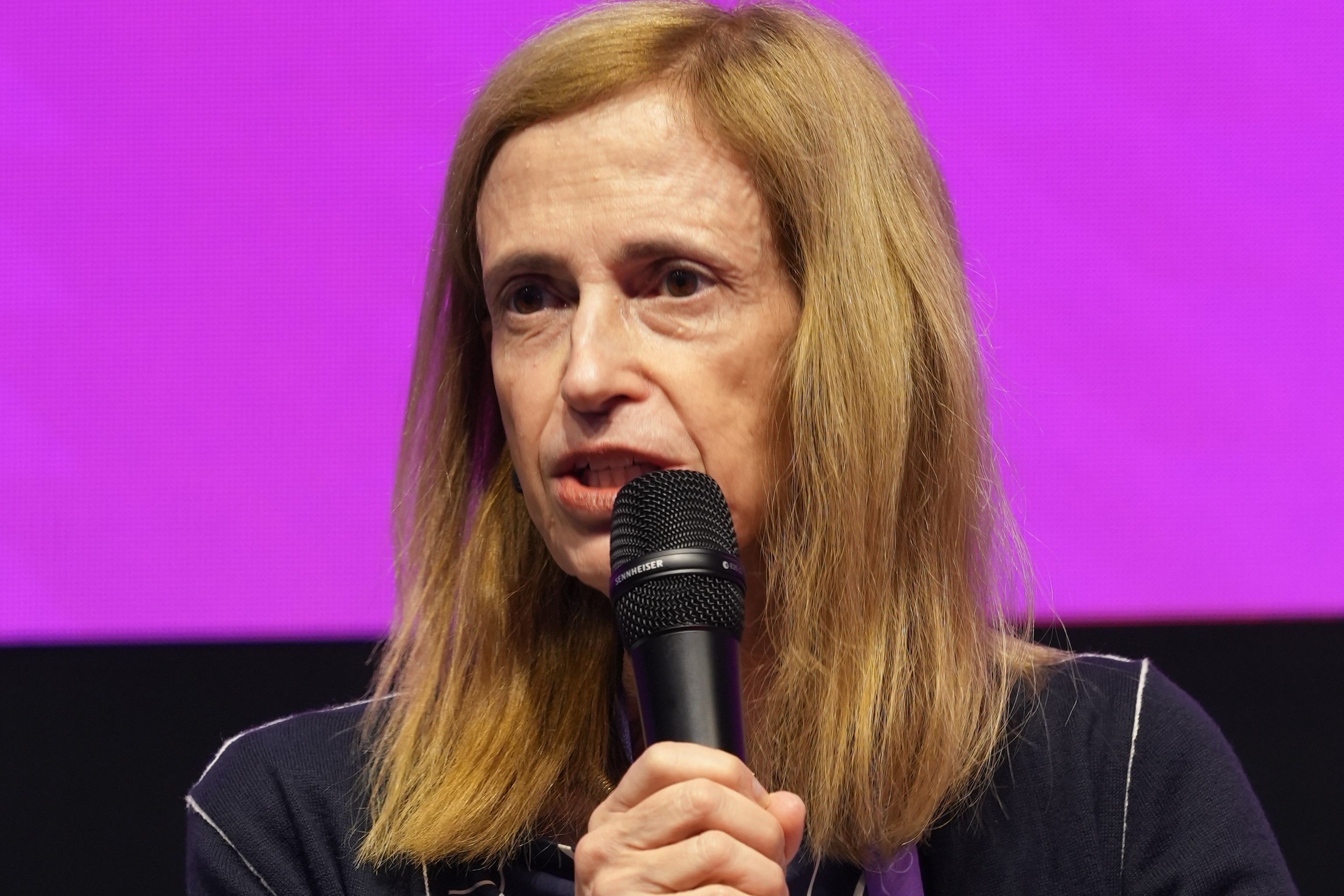
As for the quality of education, the executive from the Singularidades Institute notes that the key lies in providing relevant and effective learning outcomes. Another important point, according to Cláudia, concerns early childhood—including preschool education—so that students are ready for private education, which, she says, is part of the process that will prepare students for the transition to the next stage of education.
“The data show that we are not addressing the fundamental issues in education as quickly as we need to. The digital revolution is replacing jobs at a pace unprecedented in history. The entire industrial revolution created jobs, and this one will require much more complex skills, because robots are not capable of critical thinking—something we humans possess. And that is what we need to develop through education, which will require a completely different kind of teacher training than what we currently have. We will have to teach students to be thinkers and to collaborate,” added Cláudia.
Raquel concluded by showing that the path to educational equity goes beyond the barriers of textbooks, involving a variety of other skills, circumstances, and even students' feelings.
“The OECD’s (Organization for Economic Cooperation and Development) definition of equity states that all schools and educational systems must be capable of promoting and providing educational opportunities. Therefore, this system and these schools must have the capacity to ensure that students achieve similar levels of social and emotional well-being in areas such as life satisfaction, self-confidence, and social integration throughout their educational journey. “We have the dimension of cognitive learning and skills, but there is another: that of the student being in an environment where they are respected, welcomed, treated well, and empowered in all their capacities to feel, live, and experience. This means that this system embraces differences,” he concluded.
Share on social media:
Categories
- Teaching Methodologies