
MAIA presents solutions that combine artificial intelligence, accessibility, and teaching practices at the Bett Nordeste 2026 Conference
)
A MAIA – Accessible Methodology for Inclusion and Learning is participating in the event by presenting a comprehensive solution to support schools in developing inclusive practices. Its work combines its own methodology, accessible teaching materials, educator training, pedagogical curation, and educational technology.
MAIA’s materials are developed based on Plain Language and Universal Design for Learning (UDL), with resources that promote understanding, participation, and access to the curriculum. Available in print and digital formats, the content is aligned with the BNCC and organized to meet the needs of different learning profiles and levels, particularly for students with intellectual disabilities, autism spectrum disorder (ASD), Down syndrome, and other educational needs.
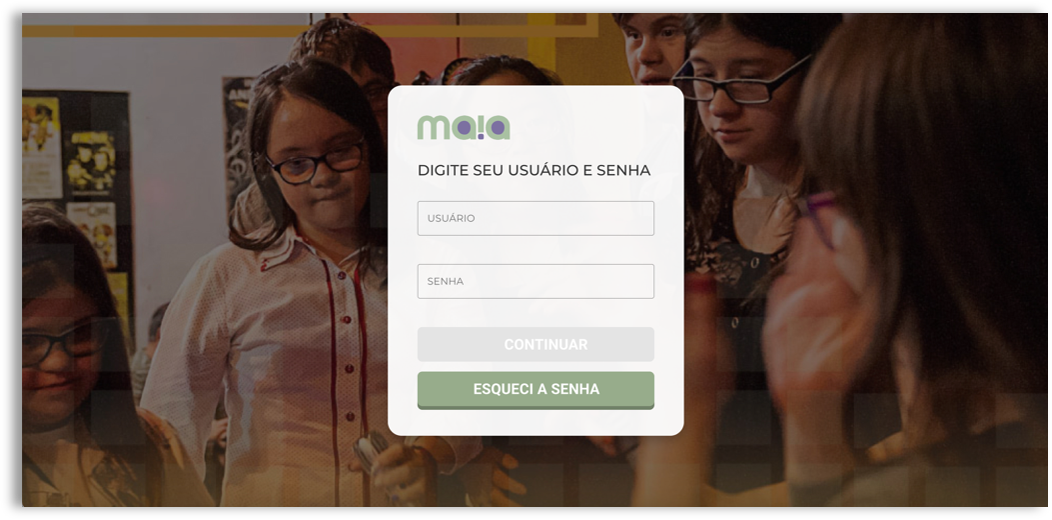
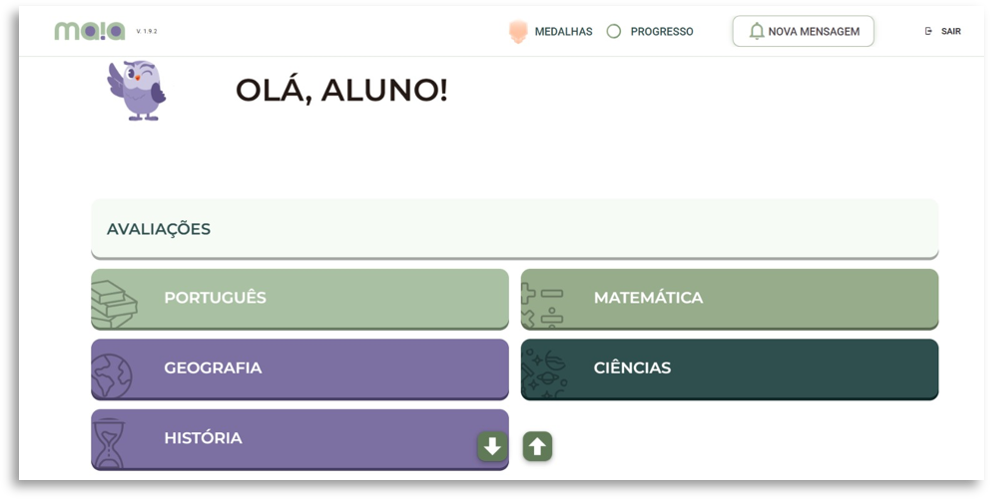
The MAIA methodology was developed over years of work in inclusive education and refined based on experience with schools, educators, and students. This process guides the accessibility criteria, the organization of materials, and the pedagogical approaches incorporated into the company’s solutions.
During the Bett Nordeste Conference, MAIA will present Adapta MAIA, a tool that integrates artificial intelligence with the methodology’s pedagogical and accessibility parameters. The solution helps teachers create and adapt accessible activities, exercise lists, and assessments, with options to customize the language, question structure, visual aids, and level of complexity.
Technology expands the possibilities for planning and customizing materials, but keeps educators at the center of decision-making. They are the ones who define learning objectives, select resources, and assess what is most appropriate for each student and for the classroom context.
“Artificial intelligence can reduce some of the operational workload, but it does not replace educators’ analysis, knowledge, and pedagogical choices. At MAIA, technology is guided by a methodology developed over years of experience with schools, educators, and students. Our accessibility criteria and pedagogical approaches do not stem solely from technology: they have been developed, applied, and validated in various educational contexts,” says Edna Maia, founder of MAIA.
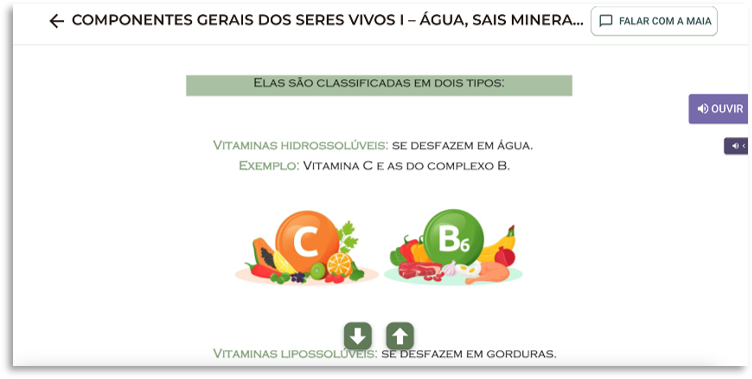
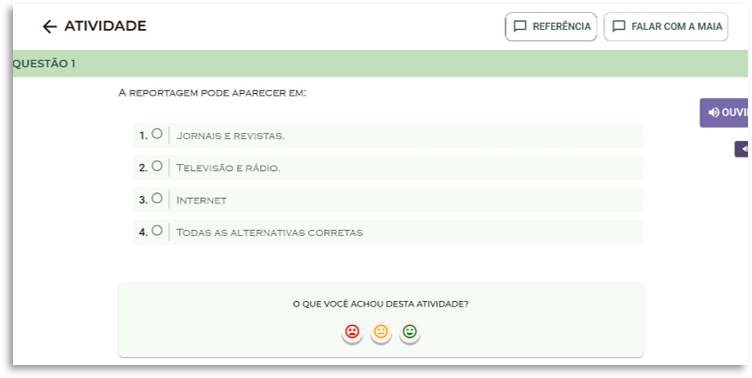
Another highlight will be the MAIA Collection for Autonomy, which consists of educational materials designed for adolescents, young adults, and adults. The collection addresses topics such as literacy, basic math, financial literacy, sexuality, reading fluency, personal autonomy, and social participation, using language that is accessible and age-appropriate, without infantilizing the audience.
The materials can be used in schools, in specialized educational services, during after-school hours, in institutions, at home, and in other educational settings.
MAIA’s participation aligns directly with the theme of the 2026 Bett Nordeste Conference—“Intelligence in Action: Experiences That Transform Education.” For the company, artificial intelligence reaches its full potential when it serves clear educational goals, promotes accessibility, and expands learning opportunities.
During the event, the team will conduct demonstrations of its solutions and share experiences regarding the application of the MAIA methodology in various educational contexts.