
Bett Brasil is focusing its efforts on a more sustainable future
)
Awareness of climate change and the urgent need for concrete action toward a more sustainable future are priorities that are deeply embedded in Bett Brasil, the largest gathering of innovation and technology for education in Latin America. The event’s organizers have been taking steps to ensure that each edition of Bett Brasil becomes increasingly environmentally friendly and sustainable at every stage, from planning to execution.
Among the practices implemented are recycling and composting systems designed to minimize the amount of waste sent to landfills and carbon dioxide emissions into the atmosphere. Special attention is also given to educating and raising awareness among event participants about proper waste disposal, thereby fostering a culture of environmental responsibility.
See also:
- Sinepe-PE is a co-organizer of the Bett Northeast Conference
- Registration is now open to join the Brazilian delegation at the Bett Show UK
- When Education Meets Innovation
The technical report on social and environmental management for the 29th edition of Bett Brasil—an event held April 23–26 at Expo Center Norte in São Paulo—revealed that over the course of ten days, including the setup, duration, and takedown of the trade show, nearly 65 metric tons of waste were generated.
As a result of the measures implemented to ensure proper waste disposal and material recycling, Bett Brasil prevented 7.2 metric tons of carbon dioxide (CO²) from being released into the atmosphere.
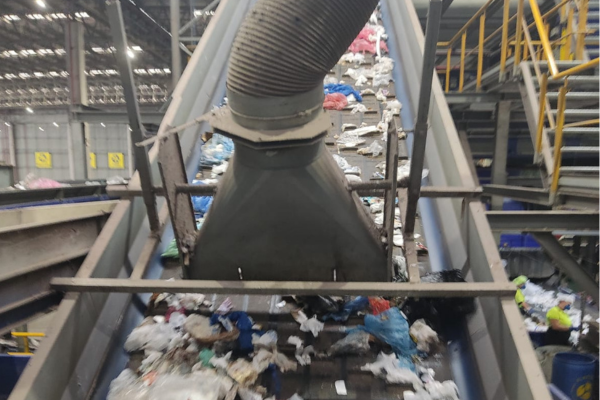
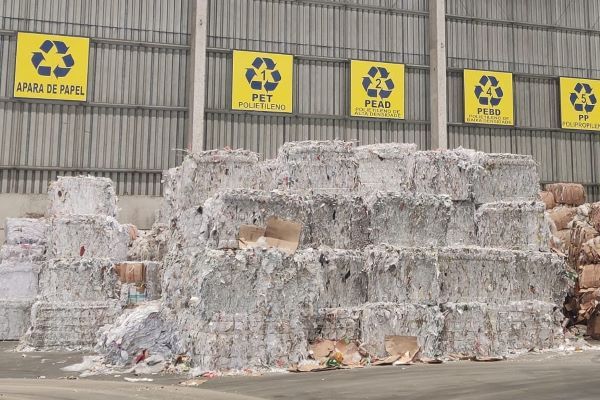
Sorting center responsible for the environmental management of waste collected at the event
After sorting the waste into paper, cardboard, plastic, metal, glass, and wood, it was found that 40.9% of the materials—more than 26 metric tons—were suitable for recycling and reintroduction into the production cycle.
The initiative also contributed to the proper disposal of tailings, which were transformed, for example, into Urban Waste-Derived Fuels (UWDF), in addition to being sent to cement plants licensed by environmental agencies. This measure eliminates environmental impacts, encourages the reduction of fossil fuel use, and reduces CO₂ emissions into the atmosphere.
Share on social media: