

"How Neuroscience Can Support Inclusion in Schools" Is the Topic of a Panel Discussion at the Administrators' Forum
)
Every day, science in general—and neuroscience in particular—brings new insights that can be applied to education. However, professionals in the field remain largely unaware of tools that have been well-established for decades and that would be of immense value in promoting inclusion in schools.
The warning was issued by Carolina Videira, president of Turma do Jiló—an organization that serves as an ecosystem for inclusive initiatives—during the panel discussion “Exploring the Potential of Neuroscience to Promote Inclusion, ” which took place at the Managers’ Forum during the 29th edition of Bett Brasil in April. The panel was moderated by Juliana Tonelo, the educational director for the municipality of Tarumã, São Paulo.
“To this day, few teachers are familiar with the primary tool developed back in the 1980s and still in use today, which is UDL (Universal Design for Learning). It provides multiple ways to represent content, action, expression, and student engagement. A curriculum and a lesson based on UDL, in fact, serve everyone—not just students with special needs. When we are able to teach students who are different, all students benefit,” Carolina emphasized.
For the expert, simply doing the basics with a well-established and recognized tool would already represent a major step forward in neuroscience-based inclusion. Another point she highlighted concerns the need to focus on the skills of students with special needs. “We hold beliefs and ‘neuro-myths’ that these children aren’t ready, that they don’t learn—which isn’t true. The right to education isn’t a favor and cannot be a privilege,” she concluded.
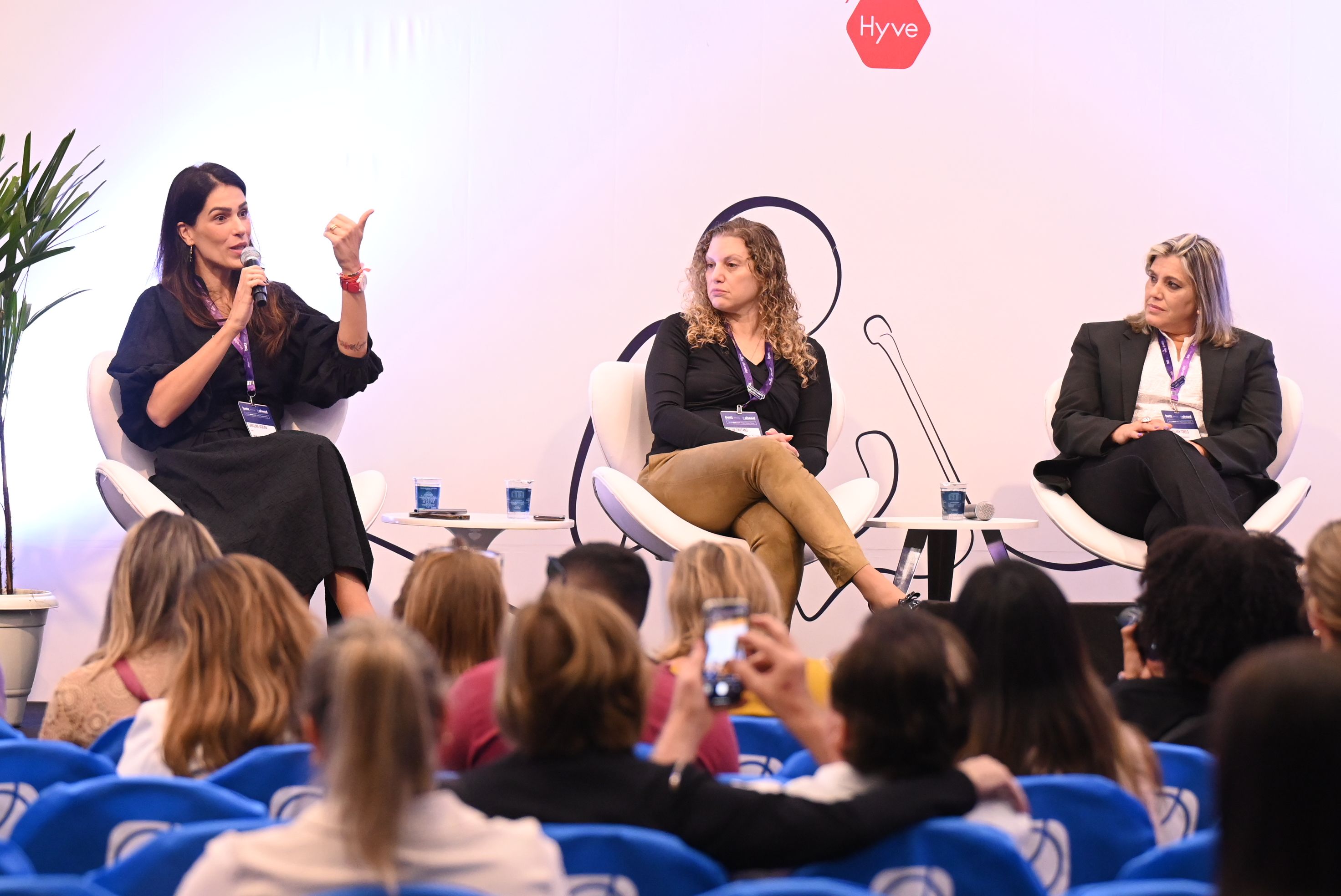
Juliana began her remarks by clearing up what she considers a major misunderstanding—the difference between inclusive and special education. “Inclusive education concerns the entire school community. From a neuroscience perspective, diversity is all of us—the eight billion people on the planet. Each of us is different from the others and will face some motor or cognitive difficulty at some point in life. If we do not foster an inclusive environment, we may not have a place for ourselves in the future.” She stated that it is special education—not inclusive education—that addresses the needs of students with AHSD, ASD, and ADHD, among others.
Neuroscientist and psychiatrist Telma Pantano discussed how the brain learns, its capabilities and limitations, as well as the ability of children and adults to concentrate and pay attention.
The maximum amount of time an adult’s brain can maintain focus is 12 to 14 minutes. For a child, this time is no more than four to five minutes. For this reason, when considering inclusion from the perspective of brain processing, it is necessary to refine attention strategies to meet the needs of children with anxiety, ADHD, ASD, and other conditions, for whom this attention span is even shorter.
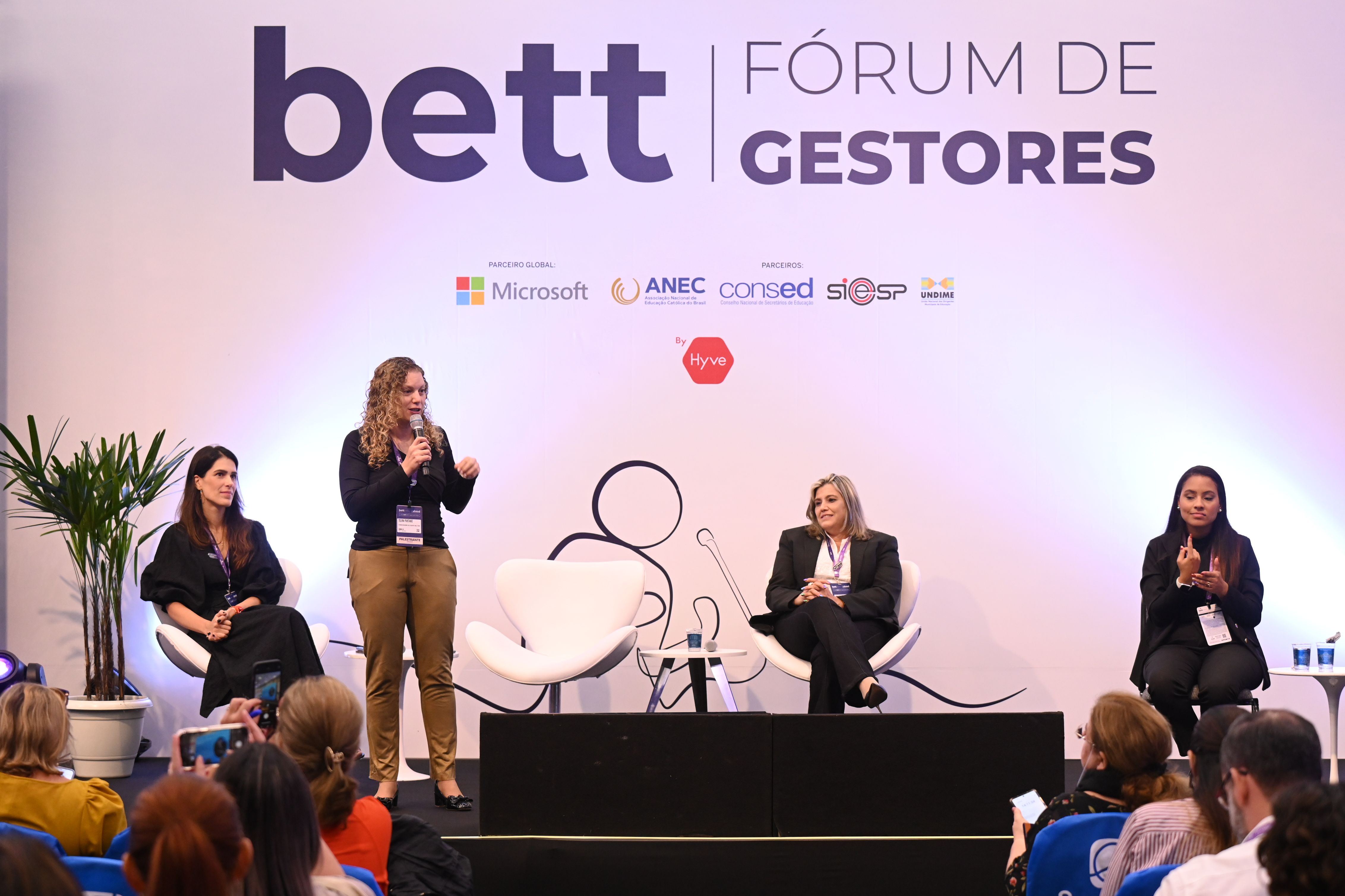
According to the neuroscientist, there are both internal and external motivations for learning. Children, adolescents, and adults—whether or not they have special needs—all need sensory enrichment. And no school can sustain external motivation for very long.
“The fundamental point of neuroscience is that there is no single rule or model for learning. What gives the brain its functionality is the individual’s interaction with the environment. It is not teaching that will provide this motivation, but rather the meaning that the school environment holds for the child. It is the child’s connection to that environment that will motivate them to learn,” he explained.
For this reason, she argues that students must be taught to think in a way that engages all their senses, to the point of giving meaning to the learning experience. According to Telma, the brain of someone with a special need does not perceive the dysfunction.
“Everyone’s brain has limitations. It’s only when those limitations are more pronounced that we consider a person to have special needs. Each person’s brain functions at its maximum potential depending on the stimulation it receives. The more stimulation it receives, the more it develops,” explained Telma, who coordinates the multidisciplinary team at the Children’s Day Hospital of the Institute of Psychiatry at the Hospital das Clínicas of the USP School of Medicine (FMUSP).
Share on social media:
Categories
- Learning Strategies