
Curriculum Design for the Education of Global Citizens
)
Developing essential life skills has become a priority in the education of adolescents around the world. This approach goes beyond the transmission of traditional content and advocates for the development of curricula that prepare young people to face everyday challenges with autonomy, responsibility, and critical thinking.
Dr. Phil Lambert, an adjunct professor at the University of Sydney and an expert in education, pointed out that, more than just teaching traditional subjects, it is essential that the curriculum incorporate various essential life skills into its pedagogical approaches.
According to him, when we talk about sustainability in the education of global citizens, we take into account everything the world has to offer and reflect on how to respond to the various issues that arise in our daily lives.
“Why do we need to consider sustainability? Just as things are developed, they are replaced. As technology evolves, it becomes obsolete. This is about revolutionary technology, but also about new forms of communication, the impact of AI on our lives, as well as on education. It’s about fake news, deepfakes, and more. And how are we preparing young people for this?” the expert asked during his talk on the panel “Education for a Sustainable Future: The Role of the Curriculum in Shaping Global Citizens”at the30th edition of Bett Brasil.
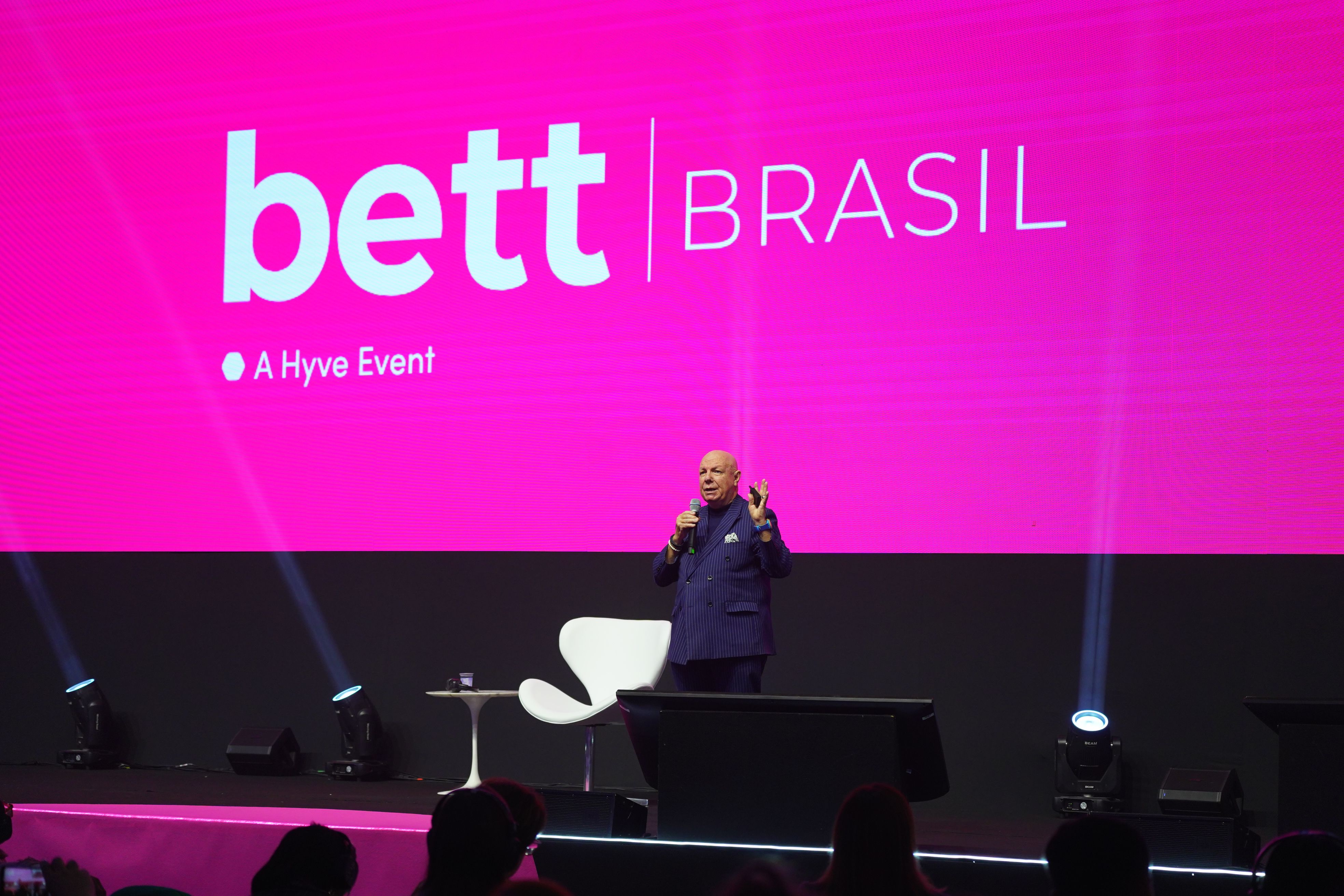
Adjunct professor at the University of Sydney during his panel at Bett Brasil. Photo: Bett Brasil.
He said that soft skills and hard skills are two of the five key competencies needed by future citizens, because only then will they be able to cope with the volatility of the world. The professor emphasized that hard skills are work-related, while soft skills are part of the job; the latter are essentially responsible for 85% of a person’s success in finding a job and keeping it, for example.
“How do young people acquire the skills and knowledge to deal with all of this? The world is VUCA (Volatile, Unpredictable, Complex, and Ambiguous), and we can point to various issues, such as political polarization, energy crises, diseases, and wars. And even though this may seem bad, it’s still very positive, because we have educators, who are the key cogs in this machine,” Phil emphasized.
However, he issued an important warning: “It’s no use knowing and understanding the subject if we don’t change the curriculum. And, in the end, this responsibility falls on educators, who—even with that knowledge—will not be able to implement this global education for their students.”
In the scholar’s view, young people need to be critical thinkers who verify the sources of the false information they receive; they need to be digitally literate, positive, creative, fair, and trustworthy.
“Adaptability, understanding, empathy, truth, respect, and critical thinking are essential elements for young people to be able to face today’s world,” concluded Dr. Phil Lambert.
Share on social media:
Categories
- Learning Strategies
- The Future of Education