
Diversity must guide school practices
)
Recognizing diversity as part of the learning process involves rethinking the practices, relationships, and structures present in everyday school life. For experts in the field of inclusive education, this effort involves challenging ableism, training educators, and developing strategies that take into account students’ different characteristics and needs.
For Carla Mauch , general coordinator of Mais Diferenças – Inclusive Education and Culture, one of the main barriers to building a school culture based on participation and equity is ableism.
“I understand that one of the main barriers is ableism. So , the call to action is for the entire school community—starting with administrators—to work very hard to implement anti-ableist practices,” she says.
See also:
Carla also identifies the training of education professionals as a necessary priority. In addition to preparing educators, she argues that this process should be accompanied by the adoption of diverse, accessible, and inclusive teaching practices.
“It may not seem like much when we look at each of these actions individually, but if we begin a coordinated effort based on these principles, we will be able to make significant progress in building a quality education for everyone,” he adds.
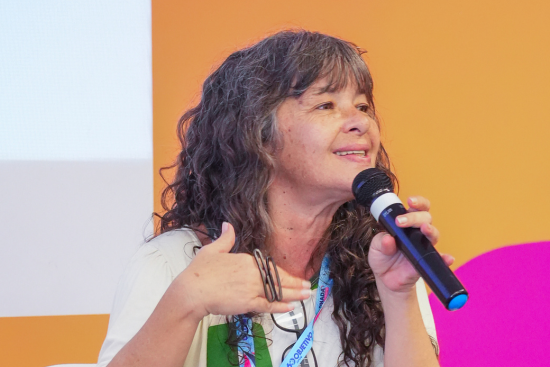
Carla Mauch explained the current challenges to achieving a truly inclusive education. Photo: Bett Brasil.
Rather than creating specific strategies for certain groups, Carla advocates for a change in the way schools understand their students and staff. From this perspective, diversity must be taken into account from the very beginning of the planning process for school practices.
“It’s about shifting the perspective—it’s about starting from the premise of diversity, starting from the premise that every individual is unique and one-of-a-kind, not just students with disabilities, but combining difference with equality,”she says.
This perspective also involves recognizing that learning takes place through the relationships formed within the school. For Carla, valuing differences does not mean setting aside the collective aspect of education. “The more we have these strategies for creating a welcoming environment, the further we’ll be able to move forward,” she says.
See also:
Attitudinal barriers
The need to address the barriers that prevent student participation is also highlighted by Maraína Fernandes , director of the Special Education and Inclusion Division at the São Paulo State Department of Education. In her view, the main challenge lies in the attitudes and beliefs that still perpetuate an ableist culture.
“The biggest barrier we face today is the attitudinal barrier. We have an entrenched ableist cultural barrier, and no matter how much we overcome barriers related to architectural accessibility, communication, and accessibility, if we don’t overcome the attitudinal barrier, we won’t make any progress,” he says.
In Maraína’s view, structural changes and accessibility resources are important, but they are not enough when there is no collective understanding of the right to inclusion and the value of diversity.
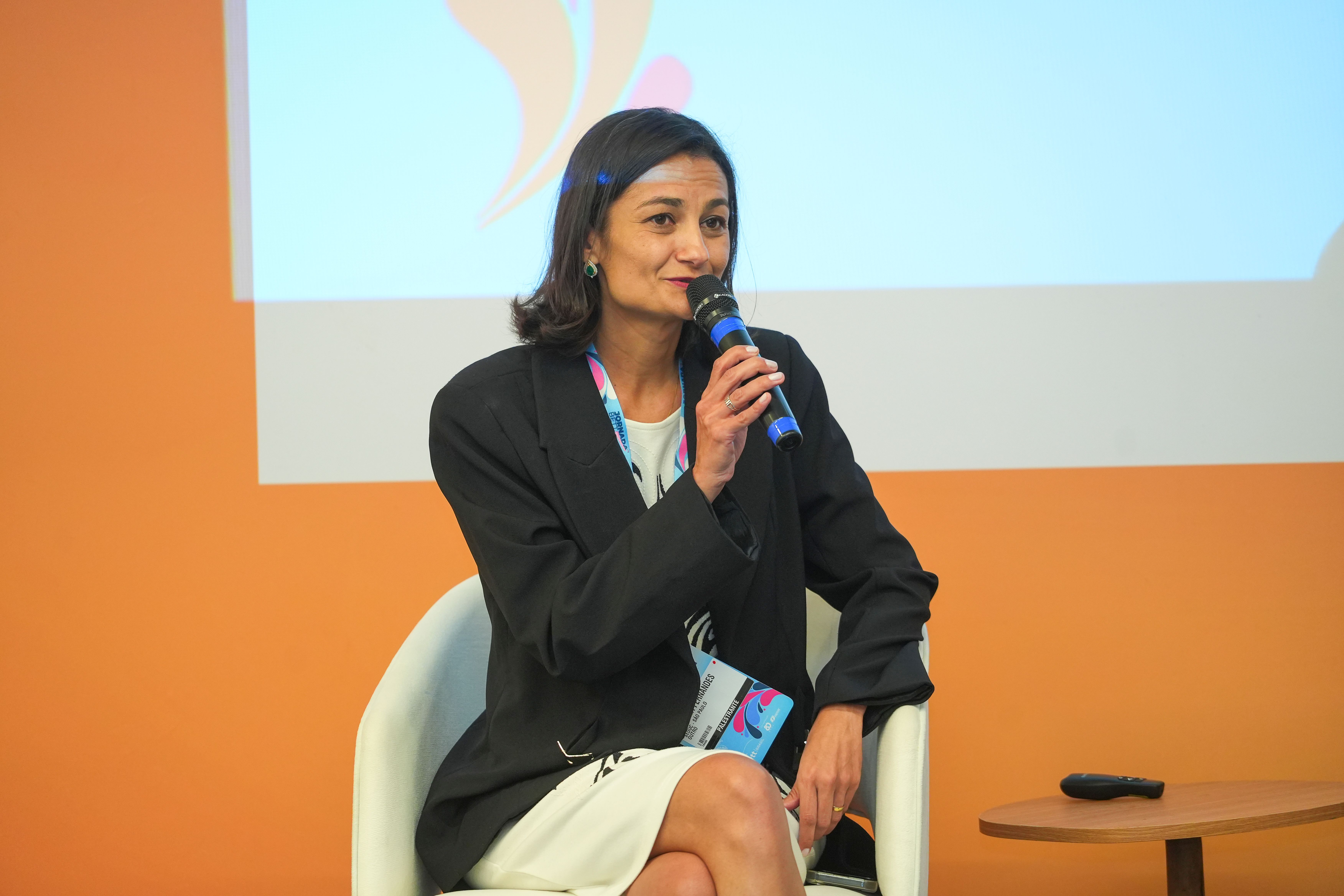
For Maraína Fernandes, attitudinal barriers are one of the obstacles to inclusion in schools. Photo: Bett Brasil.
Schools Also Learn from Diversity
In order for diversity to be incorporated into the learning process, Maraína points to a change in the very relationship between the school and the student. Instead of expecting students to adapt to a pre-established structure, the institution must identify and eliminate the barriers that hinder their participation and learning.
“Schools need to understand that diversity teaches us. So , I learn from diversity and transform the school where I work, making it accessible and breaking down barriers so that students can learn,” she explains.
This perspective, according to the principal, shifts the responsibility for adaptation from the student to the school itself.“It’s not the student who needs to fit into the school. Once the school as a whole understands that diversity is a way to learn and improve, then—and only then—are we truly talking about inclusion,” she concludes.
Building a school culture based on participation and equity, therefore, involves not only changing attitudes but also training professionals and organizing teaching practices that can accommodate different ways of learning.
This content is based on the participation of Carla Mauch, general coordinator of Mais Diferenças – Inclusive Education and Culture, and Maraína Fernandes, director of the Special Education and Inclusion Division of the São Paulo State Department of Education, at the Bett Nordeste 2026 Conference.
Share on social media:
Categories
- Diversity, Equity, and Inclusion (DE&I)