
Inclusive education: When will true inclusion in schools become a reality?
)
The issue of inclusion in schools has emerged as a matter of great importance in recent years. The number of students with disabilities in mainstream schools has been increasing every year, which shows that we need to give this issue careful consideration.
To think about inclusion is to recognize that it is more than just a student’s right; therefore, schools have an obligation to adapt their methods and structures—both physical and policy-based—to ensure better learning conditions for students. They must encourage students with disabilities to take an active role, take their level of knowledge into account, and integrate them into group activities.
I once heard someone say that inclusion means being invited to the party, but that true inclusion means asking someone to dance. How true! We need to provide the same opportunities and possibilities to all students, so that they have equal access to and can remain in the school environment. This is a benefit and shows respect for all types of differences in learning.
Teachers should pay attention to the entire class and avoid labeling students with disabilities so that they remain engaged in the lessons. The approach to teaching the material and the manner of presentation should be appropriate for engaging the entire group.
Every student with a specific disability needs individual attention because each has a unique way of processing the information they receive. Individualized learning is important, but participating in activities alongside classmates is also essential for stimulating their interest in the material and ensuring effective learning.
But how can this be done? Today’s children are extremely active and curious; they live in a world of technology and are no longer interested in traditional lecture-style classes. The central idea is to innovate through simple practices, such as integrating students with disabilities into groups to discuss the topic presented by the teacher, asking questions, or even using images to spark the interest of the entire class in a respectful and collaborative manner.
See also:
Learn how to implement Positive Education in schools
Discover Bett Escuta, a new space for dialogue open to the public
The concept of educational inclusion is broad! The complexity of this issue prompts teachers and administrators to think of ways to overcome the challenges inherent in truly inclusive practices.
When we talk about inclusion and want to implement effective practices in the school setting, we need to stay up to date on everything related to the topic: laws, innovative practices, and the use of technology. We need to be lifelong learners. We need to seek out information that guides our actions and discussions with families about what we’re doing in our classrooms.
In inclusive education, students with intellectual, sensory, or physical disabilities need to find environments that are welcoming, collaborative, and respectful. Are you familiar with all the documents that address inclusion? There are many laws that guarantee support for students with disabilities:
Article 208 of the Brazilian Constitution establishes the State’s obligation to provide education. This means that educational institutions must not make any distinctions based on ethnicity, race, religion, gender, social status, or any other form of discrimination.
The Law on Guidelines and Principles—Federal Law 9,394/96—provides that students have the right to an inclusive education that respects their right to equal opportunities, thereby enabling them to gain access to and remain in the school system.
The Statute on Persons with Disabilities grants students various rights and imposes obligations on schools to adopt reasonable accommodations in mainstream education, without imposing any financial burden on the student.
Federal Law 13.146/15—the Brazilian Inclusion Law—ensures and promotes, on an equal footing, the exercise of fundamental rights and freedoms by persons with disabilities, with a view to their social inclusion and citizenship.
Federal Decree No. 5,626/05 addresses hearing impairment.
Federal Law No. 10,436/02 providesfor the Brazilian Sign Language (Libras) and sets forth other provisions.
The Special Education Policy from the Perspective of Inclusive Education aims to establish public policies that promote a quality education for all students.
The Convention on the Rights of Persons with Disabilities sets forth the principles for the protection of the rights and dignity of persons with disabilities.
Law 14.624/23establishes the use of a ribbon lanyard featuring sunflower designs to identify people with hidden disabilities.
Opinion No. 4/2002 of the CNE/CEB is the Federal Public Prosecutor’s Office’s advisory opinion on early childhood education for people with disabilities.
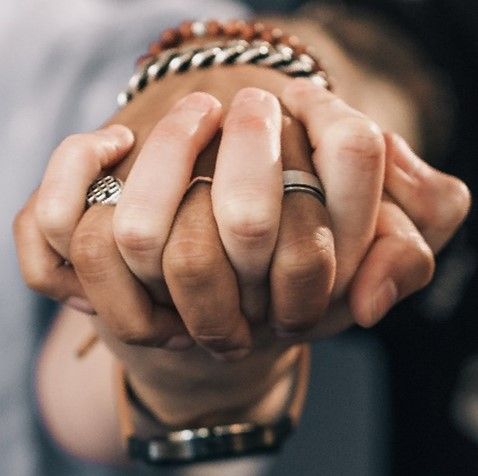
Armed with all this knowledge about the law, we must focus on inclusion through deliberate actions. Responsibility and attention are essential for schools to provide a well-rounded education for students with disabilities.
Here are some valuable tips for improving inclusion at your school.
- Learn about the laws regarding inclusive education, because knowing the laws makes it easier to come up with solutions;
- Identify each student’s needs through a multidisciplinary team that will monitor and assess each student;
- Invest in training for professionals—not just teachers, but all other staff members who will be in contact with students;
- Invest in the necessary resources: modified spaces with adaptations to doors and bathrooms, ramps, handrails, elevators, apps on laptops, and voice recorders. Technology is our ally;
- Invest in different learning methods: active learning methodologies, combined with technology, contribute to educational inclusion.;
- Develop integration strategies and activities for students;
- Use individualized assessment methods tailored to each type of disability or learning disorder—photos, audio recordings, videos, mind maps, more objective tests, test readers for students, and scribes are all ways to support students on their learning journeys;
- Always involve the family so they can stay informed about the school's initiatives;
- Organizing a series of discussions, lectures, and visits to institutions are some ways to teach them about the realities faced by people with disabilities;
- Carry out social projects that involve institutions working with people with disabilities.
We must also document the entire process through the Individual Education Plan, which is an individualized educational program that all students with disabilities, global developmental disorders, learning disabilities, and high abilities are entitled to receive.
Teachers, with the assistance of the academic coordination team and a multidisciplinary team, are responsible for preparing and reviewing this document every two or three months; it must include: student information, learning objectives, areas of knowledge, methodology used, and assessment. In a diverse, fluid world that is open to new ideas, there is no better way to address the benefits of inclusive education. What positive impact does it have on everyone’s lives?
- Promotes respect for human diversity;
- Develops a variety of skills;
- Respect each person's learning pace;
- Develops potential and conflict resolution skills;
- Encourages collaborative learning;
- Strengthens the relationship between the school, the teacher, and the student;
- It prepares citizens to be socially active.
Prejudice and exclusion are no longer part of everyday life! And it is at school that we foster a spirit of citizenship and respect for differences through initiatives that bring out the best in people within a welcoming and socially conscious environment.
About the author:
*This text does not necessarily reflect the opinion of Bett Brasil.
Share on social media:
Categories
- Diversity, Equity, and Inclusion (DE&I)