
Vocational education: Positive experiences from the states of São Paulo and Paraná were shared at Bett Brasil
)
During the 29th edition of Bett Brasil, Latin America’s largest event on Innovation and Technology in Education, the panel “Vocational Education: A Top Priority for the Future!” demonstrated that it is possible to expand the availability of high-quality vocational education in the public school system.
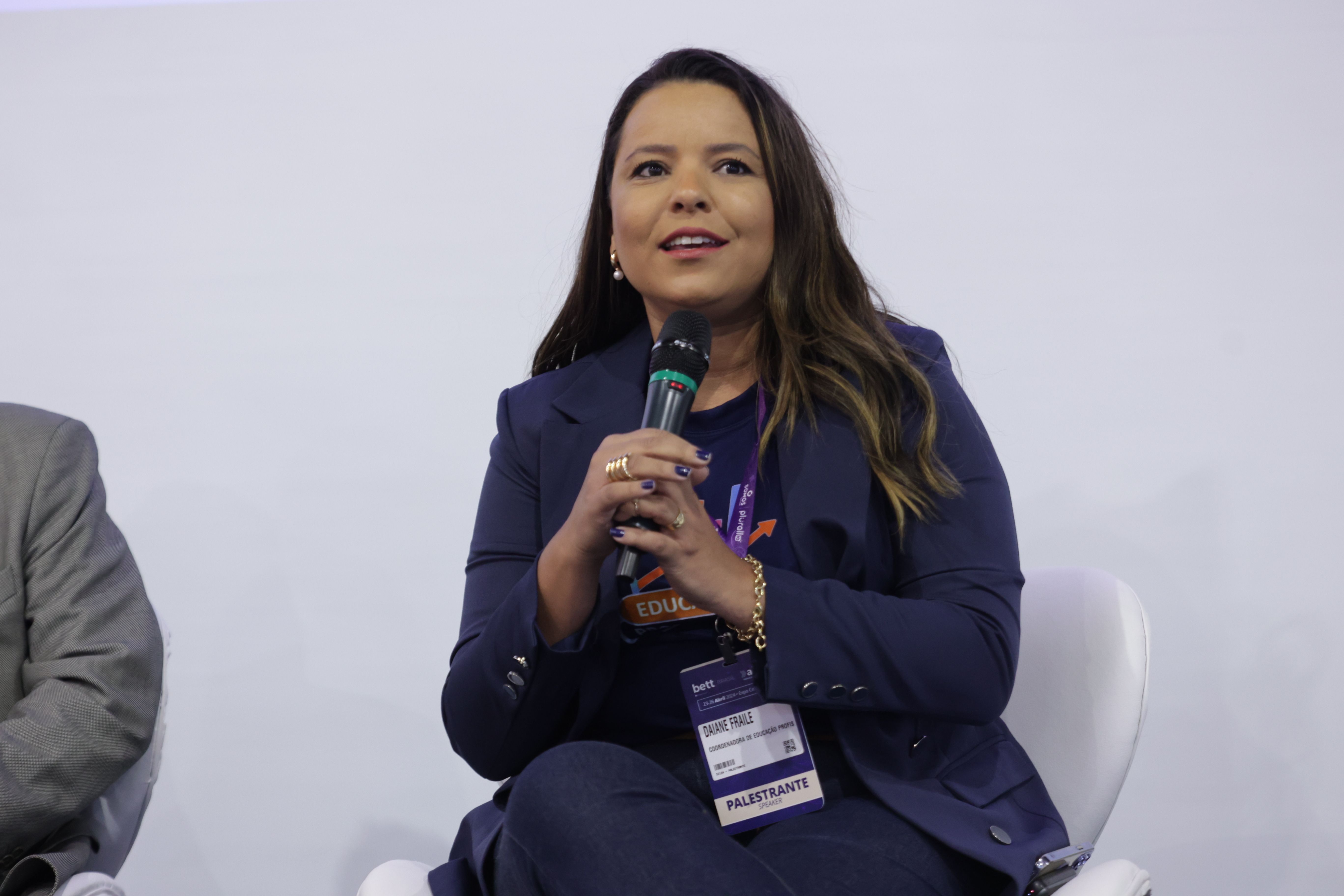
Daiane Fraile, the coordinator of vocational education for the Paraná State Department of Education, presented the strategic plan to expand and strengthen the vocational and technical education offered by the state school system.
Leading the project alongside the state secretary of education, Daiane presented the figures on enrollment in vocational education in the state. In 2024, 32% of high school students in Parará opted for vocational education. In some regions of the state, that percentage reached 41%.
The technical program that saw the most growth during this period was in the field of IT, with a 616% increase and more than 20,000 students.
“But we can’t romanticize it. Implementing the project presented considerable challenges, such as a shortage of teachers for vocational courses and a lack of training and legal authorization for the courses. We overcame these obstacles by engaging with the private sector through a series of discussions, by developing instructional materials and training instructors, and by establishing a technology-mediated model,” said Daiane.
"The model adopted in Paraná is the 'studio-school,' in which the teacher is in a studio and interacts in real time with students in classrooms across various cities in the state," he explained.
Daiane says that strategic partnerships were also formed with the state board of education, Senai, and IES Unicesumar.
According to her, teachers in vocational programs largely come from the private sector and have no classroom experience. Today, even though they are not required to do so, 98% of these teachers use the materials developed by the project.
A survey conducted in the state showed that more than 75% of students in Paraná’s public school system want to enroll in a technical program. It is to meet this demand and improve students’ employability that the state is investing in strengthening and expanding the program.
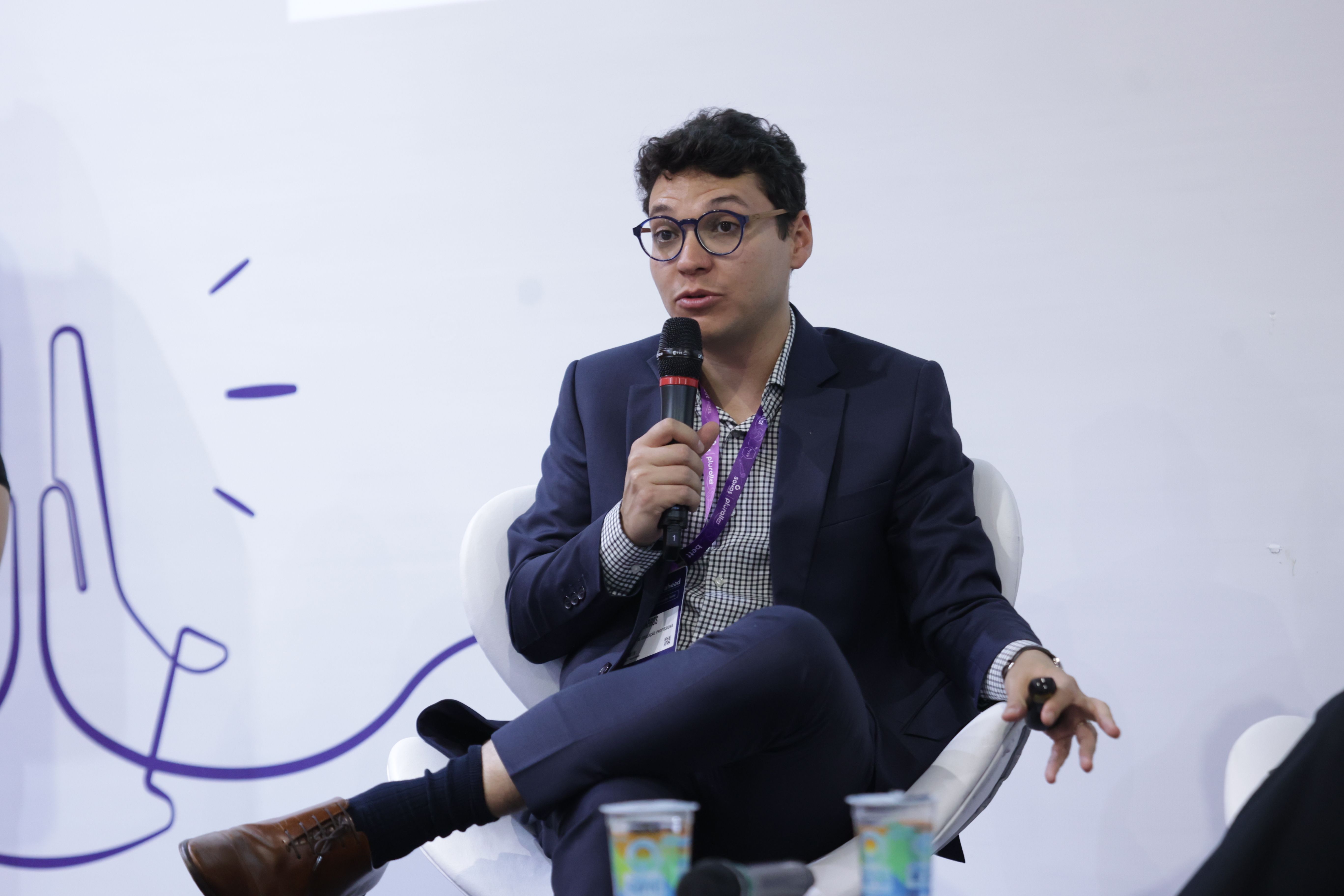
Daniel Barros, director of vocational education at the São Paulo State Department of Education, presented the Novotec program, a model for technical education integrated with high school, implemented by the state government in partnership with organizations such as the Paula Souza Center and private schools, among others.
At the end of 2023, there were 35,000 students enrolled in technical programs at 774 schools across the state. In 2024, after one year of implementing the new model, that number jumped to 77,000—an increase of 117%—spanning 1,401,000 schools. This represents an increase of more than 81% in the number of public schools offering vocational programs.
The state school system's indicators measure data on attendance, participation, and test scores, as well as the use of computers and online platforms.
“Students enrolled in the Novotec vocational program have a higher-than-average attendance rate (88% versus 82%), an above-average pass rate on the Prova Paulista—a bimonthly exam—(52% versus 43%), particularly in mathematics, and receive higher grades in all basic general education subjects on internal assessments administered by their own teachers,” he said.
Most importantly, in Barros’s opinion, these students did not go through rigorous selection processes to enroll in the technical program; rather, they were “fortunate” enough to be offered this track at the school they were already attending. “In other words, the program brings technical education to those who truly need it most. And this will impact their employability and is already having an impact on their level of commitment, engagement, and learning,” he concluded. The public education forum was supported by Digix.
Share on social media:
Categories
- Educational Management