

Digital equity in schools depends on high-quality infrastructure and pedagogical intent
)
The introduction of technology into Brazilian public schools is no longer a debate about the future, but a present necessity. Connecting students and teachers to the internet, providing adequate equipment, and ensuring that all of this is tied to a consistent educational plan are fundamental steps toward reducing inequalities and promoting equity in access to knowledge.
According to Delson Silva, Director of Technology and Innovation at the National Fund for Educational Development (FNDE), the first step is to guide school districts in developing structured projects. “The FNDE, together with the Ministry of Education (MEC) and other public agencies, has developed a guide to assist school districts in incorporating technological devices. There, administrators will find all the information they need to develop a sound technology project,” he explains.

Delson Silva emphasized the importance of structured initiatives to ensure equitable access to technology. Photo: Bett Brasil.
Silva points out that digital inclusion requires action on two fronts: ensuring connectivity infrastructure and facilitating the acquisition of equipment. “The Minister of Education, Camilo Santana, has been committed to creating projects to bring consistent internet access to all schools in the country. By the end of 2026, 100% of public schools will be connected to high-speed internet that is suitable for educational purposes,” he says.
Second, he adds, it is necessary to plan the use of technology. “The FNDE provides price registration records that allow schools—using their own funds or funds from federal programs—to purchase equipment according to their needs.”
See also:
- How Data Can Humanize School Management
- ECA Digital: Compliance Guide for Educational Institutions
- Inclusion in Schools: Experts Identify Challenges and Strategies to Ensure Students' Full Participation
MegaEdu’s Director of Operations, Thomaz Galvão, points out that ensuring infrastructure is essential, but insufficient without a clear pedagogical vision. “All schools need to have internet access and quality equipment, but it’s not about technology for technology’s sake. It is essential that state departments of education take the lead in this process, understanding the curriculum, listening to teachers, and linking infrastructure to a consistent pedagogical plan,” he argues.
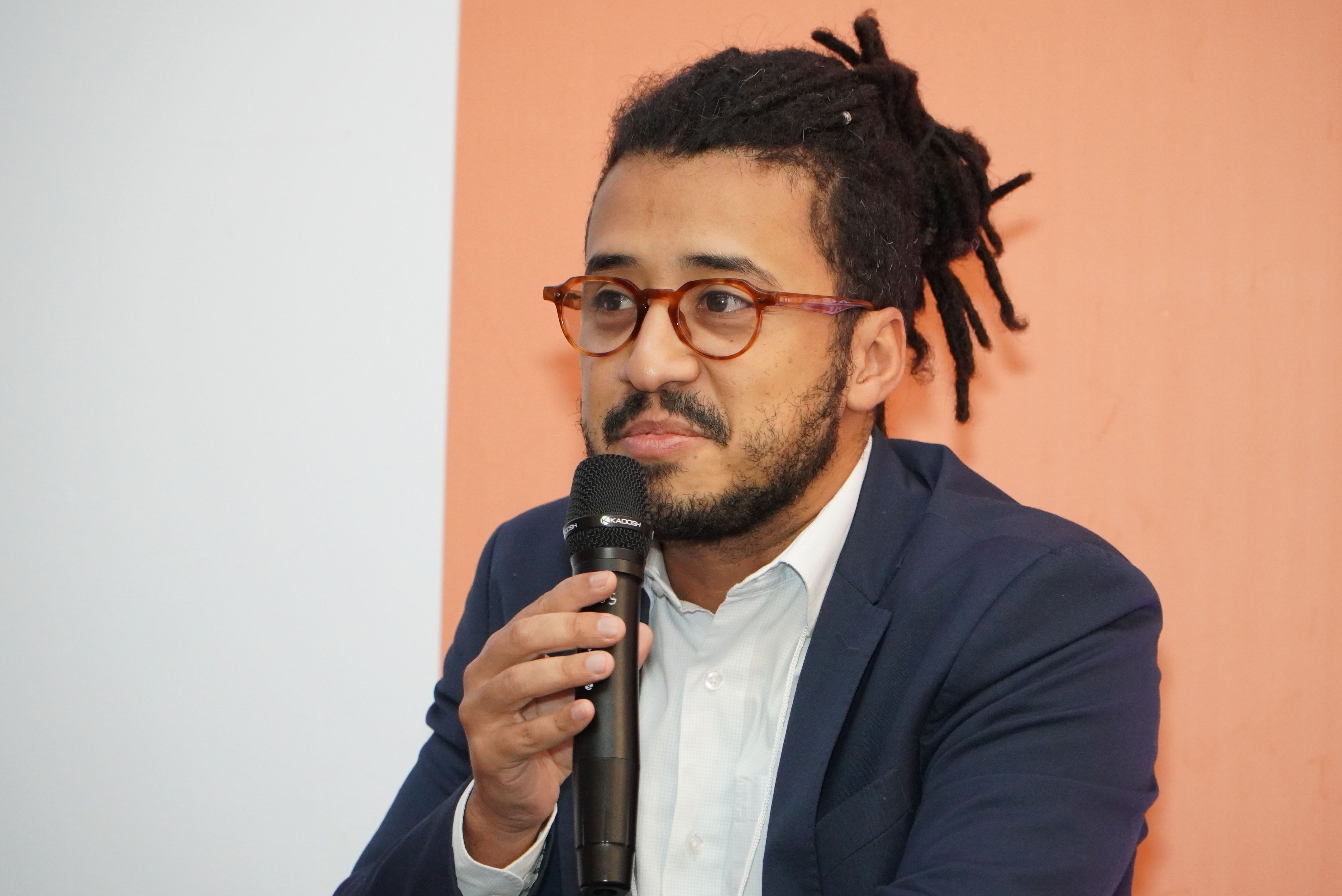
For Thomaz Galvão, a clear pedagogical intent is essential. Photo: Bett Brasil.
In Galvão’s view, alignment between public policy and school practices is crucial to success. “We need to think about what needs to be taught and what needs to be promoted within the school setting. Only then will investment in connectivity and equipment truly contribute to quality learning.”
Leo Gmeiner, co-founder and CBO of School Guardian, adds a dimension that often goes unnoticed: digital safety. “Equity means ensuring that all students have access to age-appropriate devices and high-quality connectivity. But we also need to address safety. Once connected, students are exposed to risks in the digital world,” he warns.
Gmeiner emphasizes that safety begins with educating the students themselves. “The first step is to teach students what they can and cannot do online, encouraging critical thinking. That’s the best filter. But we know they’re children and teenagers who are still discovering the world, so we need to combine guidance with digital control tools,” he explains.

Leo Gmeiner highlighted the importance of digital security in this context. Photo: Bett Brasil.
Among the solutions, he mentions technologies that allow for monitoring searches, controlling access, and blocking inappropriate content. “These are essential measures for minimizing risks and preventing situations that could be harmful to students.”
Although they come from different perspectives, experts agree on one point: the challenge of digital equity goes beyond distributing devices or ensuring internet access. It involves strategic planning, dialogue with teachers and administrators, shared responsibility, and public policies that ensure quality and long-term sustainability.
The content of this article is based on the participation of Delson Silva, Director of Technology and Innovation at the National Fund for Educational Development (FNDE); Thomaz Galvão, Director of Operations at MegaEdu; and Leo Gmeiner, Co-founder and CBO of School Guardian, at the Bett Nordeste 2025 Conference.
Share on social media:
Categories
- Innovation