

Mental health in schools requires prevention, support, and attention to students' well-being
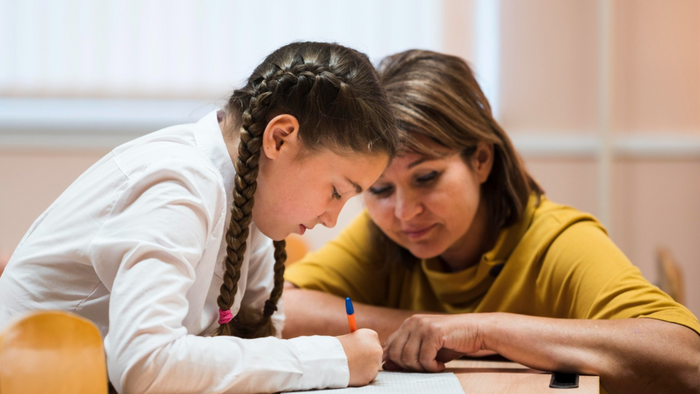
Students' mental health is directly related to their learning conditions, the relationships they form in the school environment, and their overall development.
Carla Tieppo, a neuroscientist and CEO of Educação Inédita, and Rodrigo Bressan, a psychiatrist, neuroscientist, and president of the Ame Sua Mente Institute—both of whom serve on the Bett Brasil advisory board—point out that promoting well-being in schools involves recognizing signs of distress, strengthening bonds of trust, supporting educators, and establishing partnerships with families and health services.
The discussion on mental health and well-being is part of the subtheme “The Courage to Be,” which will be addressed at the 32nd edition of Bett Brasil. Guided by the idea of learning to be, this pillar invites reflection on identity, human development, autonomy, and holistic education, as well as issues such as social-emotional skills, purpose, and the relationship between technology and humanity.
See also:
Welcome without labeling
For Carla, one of the main challenges facing educational leaders is recognizing students’ distress without automatically interpreting it as misbehavior or attributing every difficulty to a diagnosis.
According to her, persistent changes in behavior, participation, and school attendance warrant attention, as do instances of anxiety, depression, isolation, bullying, and discrimination.
The expert points out that students’ well-being is also linked to their living conditions. Insufficient sleep, pressure to perform, family conflicts, violence, and the lack of a support network can all contribute to emotional distress. In the digital environment, opportunities for connection coexist with risks such as constant comparison and cyberbullying.
“School leaders need to ask: Does this student have a trusted adult at school? Do they feel like they belong here? Do they know where to turn for help? School cannot replace mental health care, but it can recognize warning signs, provide a welcoming environment, and work with families and health services to develop care plans. And educators also need support to fulfill this role,” explains Carla.
Preventive action is also a priority for Bressan. “For educational administrators and leaders, the current challenge is to shift the focus from reaction to prevention. Historically, schools have tended to intervene only when a student’s emotional distress culminates in serious crises. We need to build a culture of daily prevention,” says Bressan.
Among the measures he highlighted are training teachers and educational staff to identify subtle signs of chronic stress, isolation, or a sudden drop in engagement without stigmatizing students; ensuring the mental health of education professionals; and raising awareness about the impacts of excessive screen time and sleep deprivation on young people’s emotional and cognitive development.
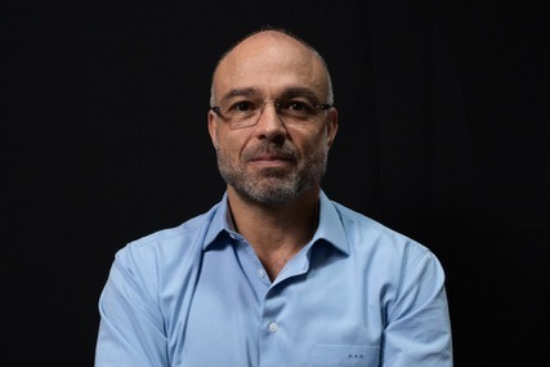
Bressan highlights the importance of a culture of mental health prevention in schools. Photo: File photo.
The psychiatrist also emphasizes the need for coordination among schools, families, and specialized services to ensure that referrals are made responsibly.
School Environment and Conditions for Learning
In addition to identifying signs of distress, the organization of the learning environment can contribute to students’ well-being. Carla notes that intense or persistent stress can impair cognitive functions that are important for learning, such as attention, working memory, and the ability to organize one’s thoughts.
The neuroscientist argues that clear routines, understandable expectations, and a respectful attitude toward mistakes make all the difference. “The challenge remains, but students need the right conditions to face it without feeling threatened or humiliated,” says Carla.
See also:
The expert also highlights the importance of physical well-being, such as ensuring adequate recess time, opportunities for physical activity, and discussions with families about the importance of sleep. According to her, these aspects must be integrated into the daily routine and not limited to isolated awareness-raising efforts.
Another area of focus is the development of social-emotional skills, such as recognizing emotions, asking for help, listening to others, and resolving conflicts. “This can be incorporated into cooperative activities, guided conversations, and evidence-based, age-appropriate programs,” she notes.
Carla points out, however, that there is no one-size-fits-all solution for all children. Evidence from neuroscience helps us understand the conditions that promote development, but it must be considered in conjunction with teaching practices and the needs of each student.

Developing social-emotional skills contributes to students' well-being, explains Carla. Photo: Courtesy of the source.
Bressan also advocates for incorporating self-care practices into the school routine. Among the possibilities are taking short breaks for self-regulation and deep breathing between classes, setting aside time for students to express how they are feeling, encouraging collaborative projects that strengthen a sense of belonging, and providing opportunities for physical activity.
For the president of the Ame Sua Mente Institute, these initiatives should be part of a consistent approach that values emotional well-being as an important prerequisite for learning. “When schools prioritize emotional well-being, learning and holistic development happen naturally, ” says Bressan.
The courage to be oneself also means acknowledging one's vulnerabilities
For Bressan, the subtheme “The Courage to Be,” incorporated into Bett Brasil 2027, invites educational institutions to recognize the importance of psychological safety for human development.
In a world marked by hyperconnectivity, comparisons on social media, and pressure to perform, the expert advocates for creating environments where students and teachers can express their emotions, acknowledge their limits, and deal with mistakes without fear of judgment.
“In contemporary education—which is already deeply intertwined with artificial intelligence and technology—having the courage to be oneself means remembering that technology must serve human emancipation. Mental health is not an optional module in the curriculum or a one-off topic for lectures; it is the biological and emotional prerequisite for any sustainable learning,” concludes the psychiatrist.
From Carla’s perspective, the concept of “Courage to Be” involves recognizing who we are, what we feel, our limits, and what we still need to learn. In education, this means allowing students to ask questions, disagree, experiment, and say when they don’t understand—without fear of being humiliated.
The expert emphasizes that embracing differences does not eliminate challenges or rules, but it does require conditions that allow each student to participate and thrive.
“In a world that demands quick answers and constant high performance, schools play an important role in fostering autonomy and critical thinking. ‘The Courage to Be’ is connected to transformation because it invites us to help people become capable of making choices, taking responsibility, and changing their minds—without reducing their worth to the grade they receive,” concludes the neuroscientist.
Share on social media:
Categories
- Learning Strategies
- Educational Management