

Emotional education in schools helps young people become more empathetic and well-adjusted
)
Against a backdrop of rising rates of anxiety, depression, and social difficulties among young people, experts point out that the school environment is the ideal setting for developing soft skills.
The goal is not to replace academic content, but to recognize that holistic learning also involves emotional and relational aspects.
For Jairo Bouer, a physician, educator, and writer, the inclusion of these topics in the school curriculum must occur naturally and be integrated into the various subjects. “It is very important to ensure that mental health and the development of social-emotional skills are addressed in the curriculum, without losing focus on the formal content,” he said.
He explains that classes themselves can provide opportunities to address the topic: “This can be done in biology, geography, Portuguese, or composition classes. There are many ways to use the course material to discuss social-emotional issues.”
Bouer argues that everyday school life should be a constant space for reflection on emotions, empathy, and social interaction. “Teachers and educators need to be on the lookout for opportunities to bring up these topics. We can also set aside specific times to talk about mental health, empathy, the impact of technology, or the importance of relationships. School is the best setting for this, because it’s where young people interact and learn to get along with one another,” he emphasized.
Professor Rafaella Cursino, from the Pernambuco School of Health, shares this view. In her opinion, the school environment should ensure not only academic instruction but also the full development of children and adolescents. “When we think about school, we must also think about citizenship, ethics, and social interaction. Active student participation, student leadership, and working cooperatively while respecting differences are fundamental skills,” she stated.
According to Rafaella, it is up to teachers to look beyond the content and reflect on the emotional and social impact of educational activities. “We need to think about the intent behind our actions. What kind of cooperation have we been encouraging? How have we been working collectively? These questions help guide practices that develop social-emotional skills in a structured way,” she said.
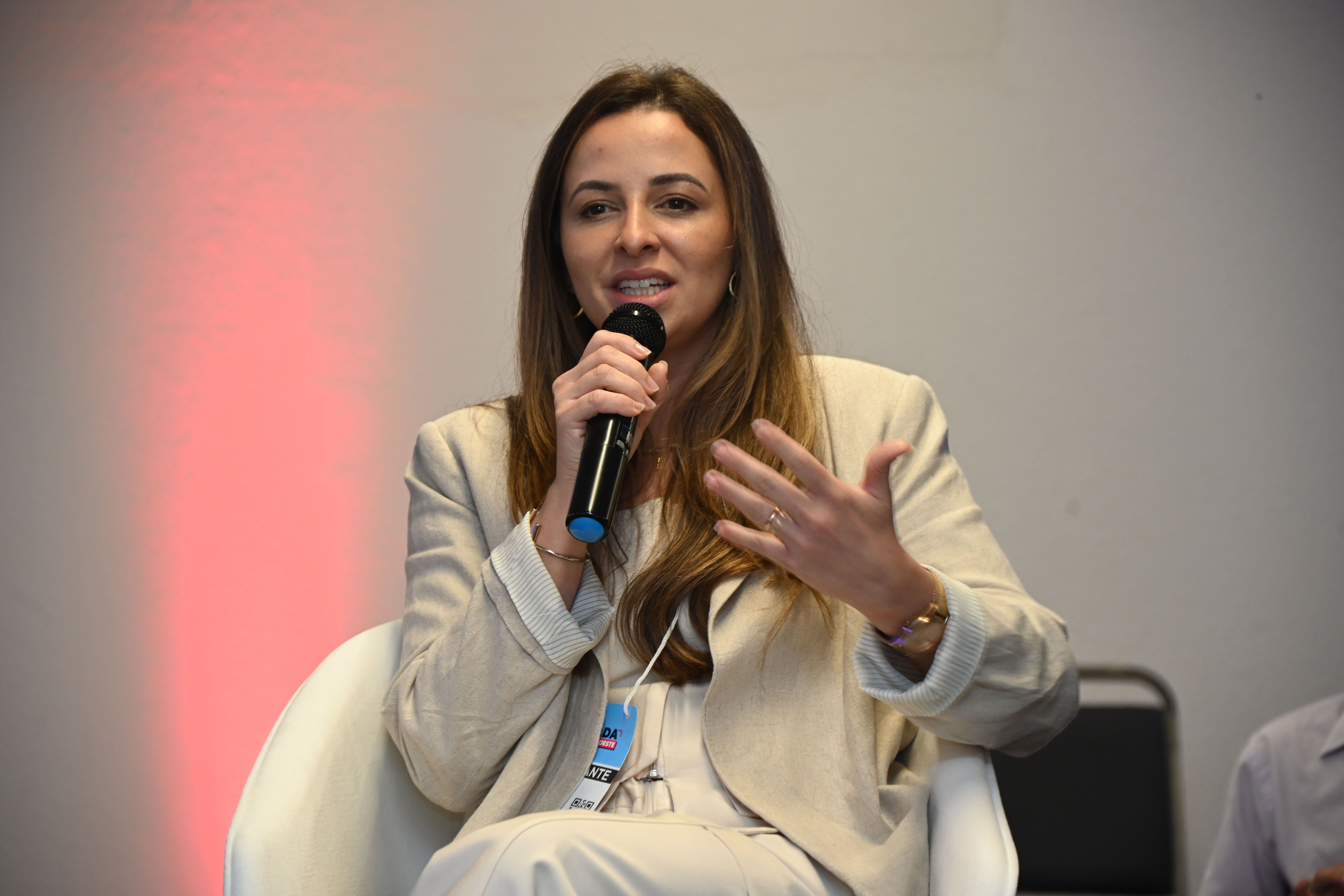
Rafaella Cursino during a panel discussion at the 2025 Bett Nordeste Conference. Photo: Bett Brasil
Around the world, there are inspiring examples of policies that integrate emotional education into the curriculum. Bouer cites the case of the United Kingdom, which recently incorporated discussions about kindness and empathy into schools. “Students will have a specific space to discuss these values. It’s a response to the crisis of empathy and dialogue we’re experiencing. The idea is to show young people that empathy is a skill that can be developed, and that this has a direct impact on all relationships,” he explained.
Another example is Finland, with the Kiva program, created to prevent bullying starting in the early grades. “Kiva was created in the wake of serious incidents of school violence and has shown very good results because it focuses on prevention, not just conflict resolution. It teaches children to recognize and deal with bullying, promoting empathy, respect for diversity, and collective responsibility,” Bouer noted.
See also:
- Digital equity in schools depends on high-quality infrastructure and pedagogical intent
- Entrepreneurship in Education: Myths, Challenges, and New Opportunities
- ECA Digital: Compliance Guide for Educational Institutions
In Brazil, simple practices can also have a major impact. Rafaella cites the use of literature as a powerful tool for addressing emotions and values. “Teachers can choose books that address topics such as diversity, friendship, inclusion, and respect for others. And, more than that, they can organize activities in which older students read to younger ones, fostering a sense of responsibility. “The student isn’t just reading—they’re setting an example and learning about coexistence and solidarity,” she noted.
Despite the progress, there are still many challenges. For Bouer, the first step is to raise awareness among educators. “Like any behavioral change, this is a process. Some people are more open, others more resistant. We need to build a culture of dialogue within the school,” he said. He also advocates for the involvement of families and the community. “It’s important to show why talking about emotional health makes a difference. When students feel close to their teachers, they become more engaged, develop a sense of belonging, and actively participate in building a healthier environment,” he concluded.
In the opinion of both experts, developing social-emotional skills is not a luxury or a passing fad, but an urgent necessity.
The content of this article is based on the participation of Jairo Bouer—a physician, educator, and writer—and Rafaella Cursino, a professor at the Pernambuco School of Health, in the Bett Nordeste 2025 Conference.
Share on social media:
Categories
- Learning Strategies