

OECD Releases Study on Social-Emotional Skills at Bett Brasil
)
The 29th edition of Bett Brasil served as the venue for the official announcement of the unprecedented findings of the study “Social and Emotional Skills for Better Lives,” conducted by the Organization for Economic Cooperation and Development (OECD) in collaboration with the Ayrton Senna Institute.
The study was presented during a panel discussion in the public education auditorium at Bett Brasil and featured Herbert Lima, Secretary of Education for Sobral (CE), and Karen Teixeira, research manager at eduLab21 of the Ayrton Senna Institute. The panel was moderated by journalist Antônio Gois, a columnist for O Globo.
This is the first time Brazil has participated as a primary implementation site in the global data collection on this topic, alongside 16 other countries and organizations, including Colombia, Chile, Italy, Japan, Finland, and Bulgaria. In Brazil, the study was conducted in the city of Sobral, in the state of Ceará, in 2023, with more than 4,500 students aged 10 to 15, teachers, school principals, and parents or guardians.
See also:
- Social-emotional learning in schools is the topic of a panel discussion at Bett Brasil
- Public Education Takes Center Stage at the 29th Edition of Bett Brasil
- Bett Brasil Sets New Trends in Education
The study is one of the first large-scale international studies on social-emotional skills in the world, drawing on data from thousands of young students. The survey assesses 15 social-emotional skills and their importance in students’ lives, and examines the factors that promote or hinder their development.
Age
The study highlights disparities in the development of social-emotional skills among students aged 10 to 15. While younger students showed greater progress in skills such as confidence, determination, assertiveness, and optimism, 15-year-olds reported greater progress in empathy. These discrepancies underscore the importance of understanding the factors that influence this development.
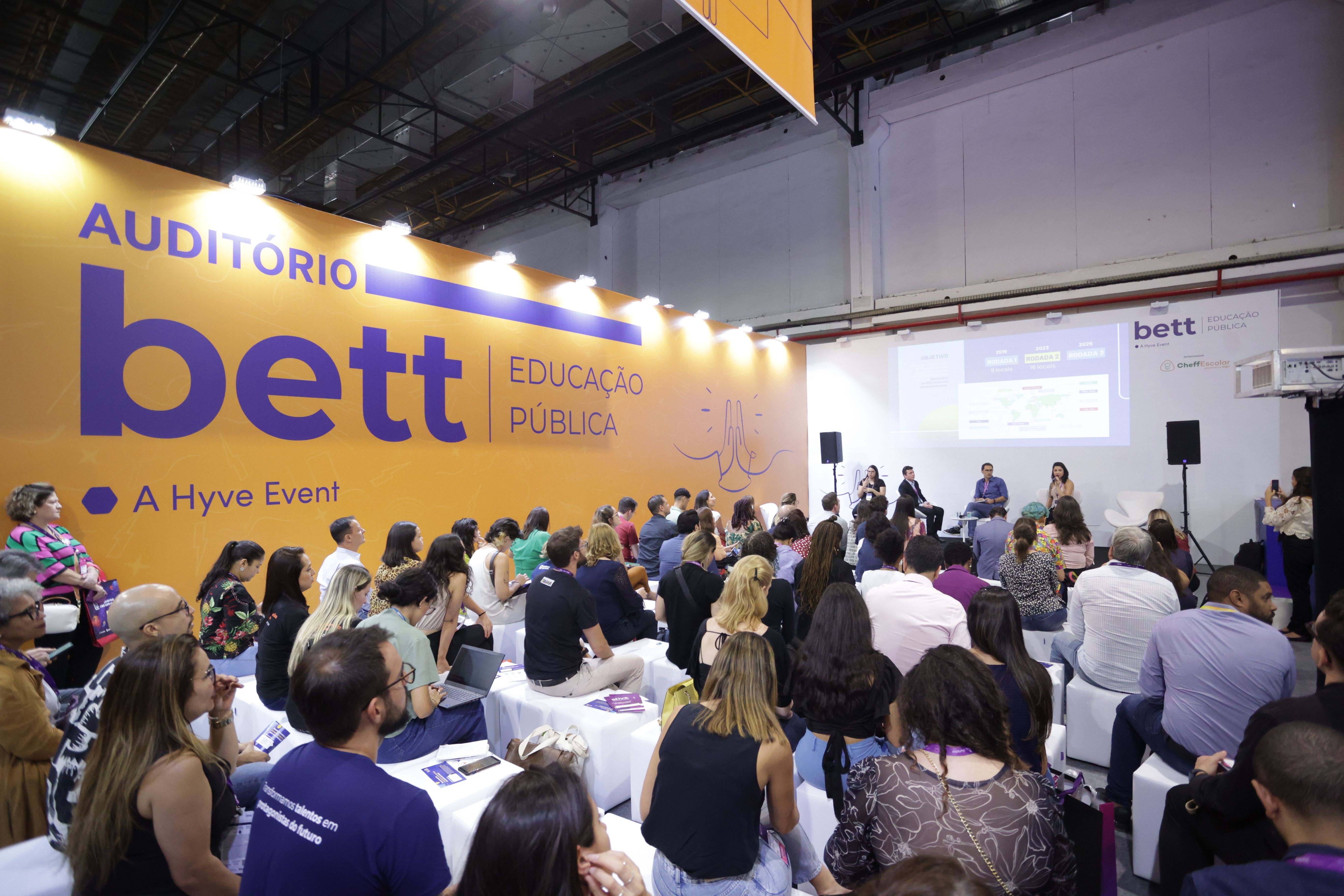
One hypothesis suggested by Karen Teixeira, research manager and member of eduLab21 at the Ayrton Senna Institute, is that 10-year-old students—especially those in elementary school—enjoy a closer relationship with a single teacher, which may facilitate their social-emotional development.
“Elementary school teachers could have access to more training related to social-emotional development, making them better prepared to help students in this area. These insights suggest the importance of providing adequate training to elementary school teachers to improve the social-emotional development of older students,” said Karen.
School attendance
The report also addresses the issue of school attendance, noting that students in Sobral have fewer absences compared to the average among participating countries, although they report arriving late to school more frequently.
Karen emphasizes the importance of monitoring this trend: "The incidence of absences and tardiness is crucial, as it can be an indicator of potential school dropout and affect student performance. Skills such as determination, persistence, and responsibility help reduce rates of absences and tardiness. In addition, skills such as optimism and enthusiasm are associated with indicators of health and well-being."
Grades
Among the most significant findings, Karen noted that skills such as task performance and openness to new ideas are linked to higher grades; self-management and curiosity emerged as key drivers of performance in subjects such as math, reading, and the arts; while optimism and enthusiasm positively influence students’ well-being.
“All of the social-emotional skills analyzed contributed to improved academic performance, dispelling the notion that developing these skills could hinder traditional learning,” Karen noted.
To learn more, access the full report here. Or read the analysis by Karen Teixeira, research manager at eduLab21 of the Ayrton Senna Institute, on the OECD study here.
Share on social media:
Categories
- Educational Management